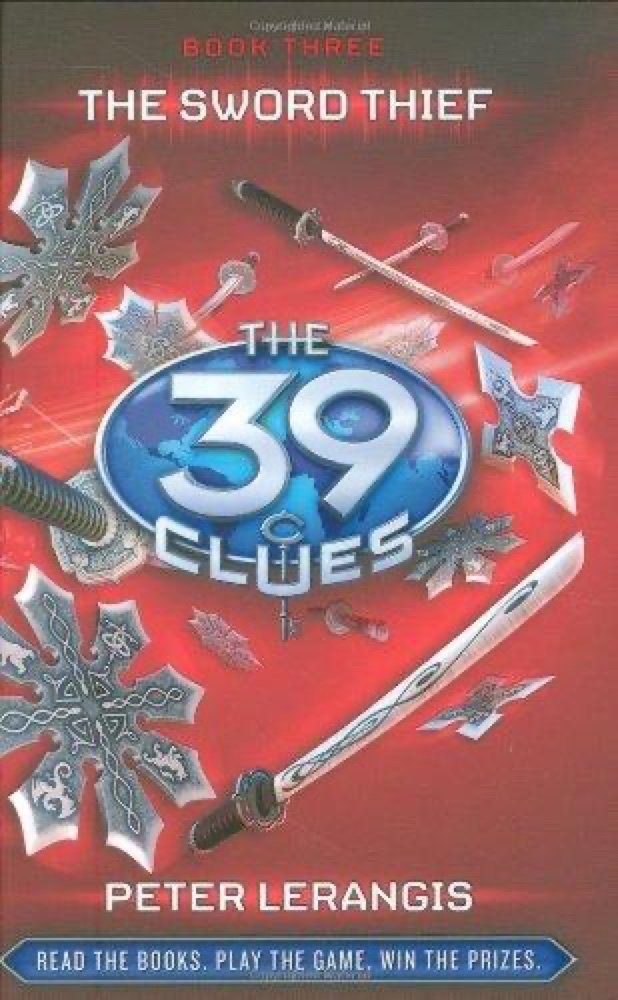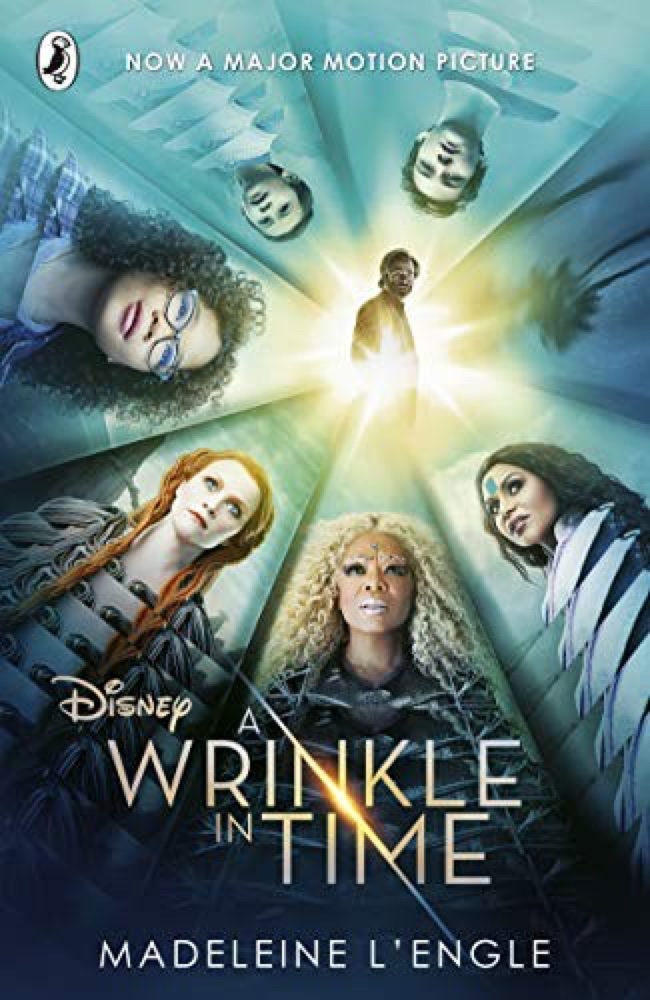

“Whoa, don't assume, dude," Marco said. "My mom always said, when you assume you make an ass of u and me--”
― Peter Lerangis, quote from Lost in Babylon
“A problem that seems unsolvable always looks different in the light of a new day.”
― Peter Lerangis, quote from Lost in Babylon
“To quote Alfred Einstein: ‘a follower tells, but a leader shows.”
― Peter Lerangis, quote from Lost in Babylon
“We’re not in Kansas anymore, Toto,”
― Peter Lerangis, quote from Lost in Babylon
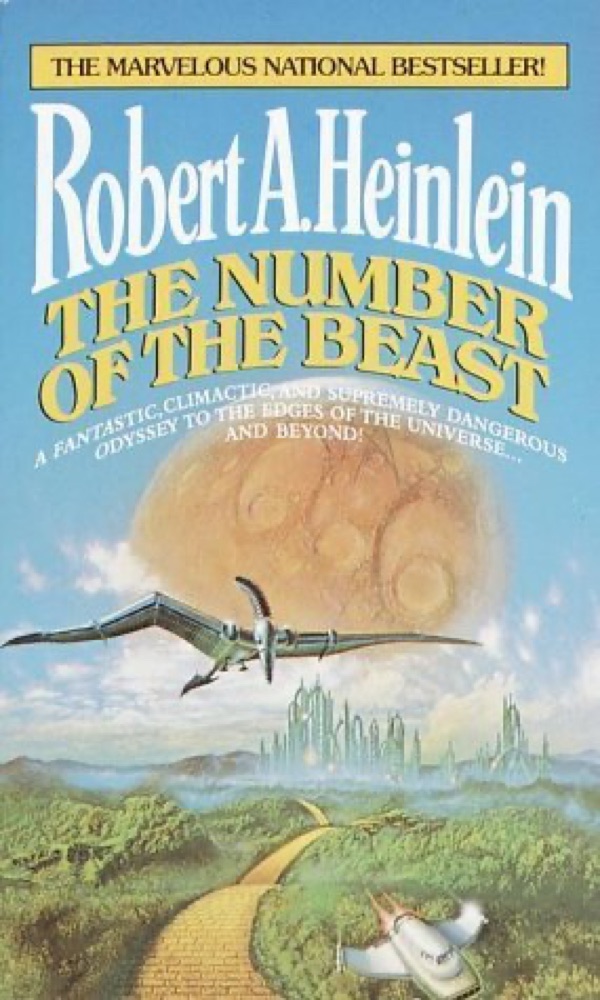
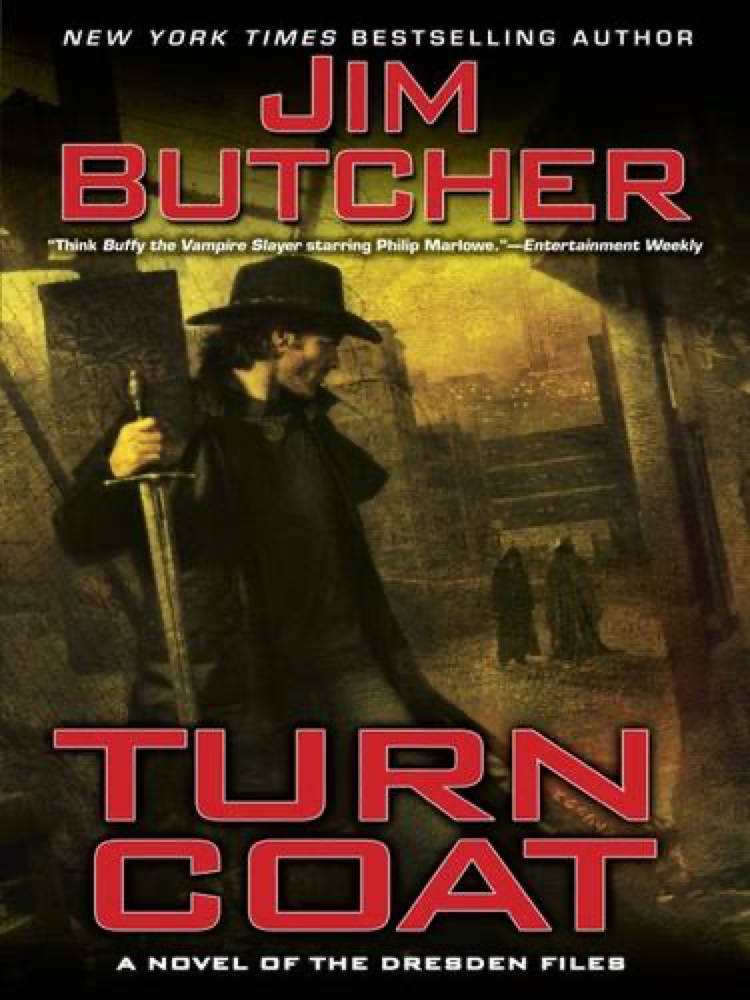
“Hell, we make our own ifs. I had better things to think about than what could have happened”
― Roger Zelazny, quote from The Guns of Avalon
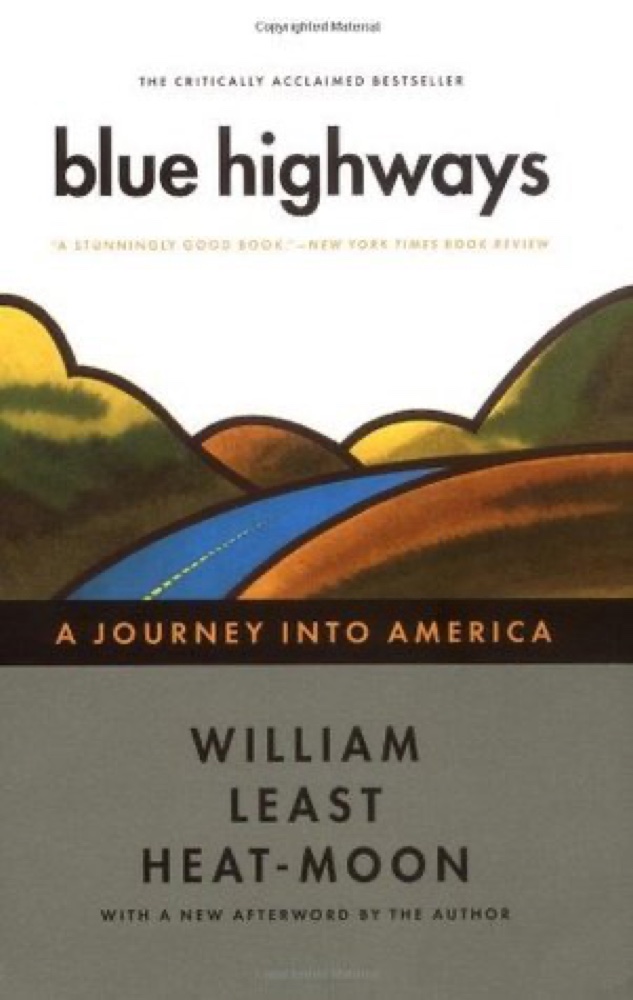
“As I noted in Chapter 14, “The Earthquake,” there was a supermarket in Jerusalem where I shopped for fruits and vegetables almost every day. It was owned by an Iraqi Jewish family who had immigrated to Israel from Baghdad in the early 1940s. The patriarch of the family, Sasson, was an elderly curmudgeon in his sixties. Sasson’s whole life had left him with the conviction that the Arabs would never willingly accept a Jewish state in their midst and that any concessions to the Palestinians would eventually be used to liquidate the Jewish state. Whenever Sasson heard Israeli doves saying that the Palestinians really wanted to live in peace with the Jews, but that they just couldn’t always come out and declare it, it sounded ludicrous to him. It simply ran counter to everything life in Iraq and Jerusalem had taught him, and neither the Camp David treaty with Egypt nor declarations by Yasir Arafat—nor the Palestinian uprising itself—had convinced him otherwise. As I said, as far as Sasson was concerned, the problem between himself and the Palestinians was not that they didn’t understand each other, but that they did—all too well. Sasson, I should add, did not appear to be ideologically committed to Israel’s holding the West Bank and Gaza Strip. He was a grocer, and ideology did not trip easily off his tongue. I am sure he rarely, if ever, went to the occupied territories. Like a majority of Israelis, he viewed the Israeli presence in the West Bank and Gaza Strip primarily in terms of security. I believe that Sasson is the key to a Palestinian–Israeli peace settlement—not him personally, but his world view. He is the Israeli silent majority. He is the Israeli two-thirds. You don’t hear much from the Sassons of Israel. They don’t talk much. They are not as interesting to interview as wild-eyed messianic West Bank settlers, or as articulate as Peace Now professors who speak with an American accent. But they are the foundation of Israel, the gravity that holds the country in place. And, more important, years of reporting from Israel have taught me that there is a little bit of Sasson’s almost primitive earthiness in every Israeli—not only all those in the Likud Party on the right side of the political spectrum, but a majority of those in the Labor Party as well; not only those Israelis born in Arab countries, but those born in Israel as well. Indeed, the Israeli public is not divided fifty-fifty on the question of peace with the Palestinians. The truth is, the Israeli public is divided in three. One segment, on the far left—maybe 5 percent of the population—is ready to allow a Palestinian state in the West Bank and Gaza tomorrow, and sincerely believes the Palestinians are ready to live in peace with the Jews. Another segment, on the far right—maybe 20 percent of the population—will never be prepared, for ideological reasons, to allow a Palestinian state in the West Bank and Gaza. They are committed to holding forever all the Land of Israel, out of either nationalist or messianic sentiments. In between these two extremes you have the Sassons, who make up probably 75 percent of the population. The more liberal Sassons side with the Labor Party, the more hard-line Sassons side with the Likud, but they all share a gut feeling that they are locked in an all-or-nothing communal struggle with the Palestinians. Today the”
― quote from From Beirut to Jerusalem
“But epidemics create a kind of history from below: they can be world-changing, but the participants are almost inevitably ordinary folk, following their established routines, not thinking for a second about how their actions will be recorded for posterity.”
― Steven Johnson, quote from The Ghost Map: The Story of London's Most Terrifying Epidemic - and How It Changed Science, Cities, and the Modern World
“Sure, I would have enjoyed buying that private fantasy island. Yes, I would have enjoyed legally changing my first name to Gilligan and starting my own perfect civilization on that uncharted desert isle—but Mom and Dad knew better. They had foresight to realize I would handle my money better once I was older. Mom became my manager when it was clear we couldn’t afford the costs related to acting unless she got a full-time job. Someone needed to take me to the studio daily and stay there, because it was required by law that every underage kid have a parent or legal guardian around all day. It seemed silly to pay someone else to do that, so she took the job.”
― Kirk Cameron, quote from Still Growing: An Autobiography
“The scale of Monument Avenue also amplified the weirdness of the whole enterprise. After all, Davis and Lee and Jackson and Stuart weren't national heroes. In the view of many Americans, they were precisely the opposite; leaders of a rebellion against the nation - separatists at best, traitors at worst. None of those honored were native Richmonders. And their mission failed. They didn't call it the Lost Cause for nothing. I couldn't think of another city in the world that lined its streets with stone leviathans honoring failed rebels against the state.”
― Tony Horwitz, quote from Confederates in the Attic: Dispatches from the Unfinished Civil War
BookQuoters is a community of passionate readers who enjoy sharing the most meaningful, memorable and interesting quotes from great books. As the world communicates more and more via texts, memes and sound bytes, short but profound quotes from books have become more relevant and important. For some of us a quote becomes a mantra, a goal or a philosophy by which we live. For all of us, quotes are a great way to remember a book and to carry with us the author’s best ideas.
We thoughtfully gather quotes from our favorite books, both classic and current, and choose the ones that are most thought-provoking. Each quote represents a book that is interesting, well written and has potential to enhance the reader’s life. We also accept submissions from our visitors and will select the quotes we feel are most appealing to the BookQuoters community.
Founded in 2023, BookQuoters has quickly become a large and vibrant community of people who share an affinity for books. Books are seen by some as a throwback to a previous world; conversely, gleaning the main ideas of a book via a quote or a quick summary is typical of the Information Age but is a habit disdained by some diehard readers. We feel that we have the best of both worlds at BookQuoters; we read books cover-to-cover but offer you some of the highlights. We hope you’ll join us.