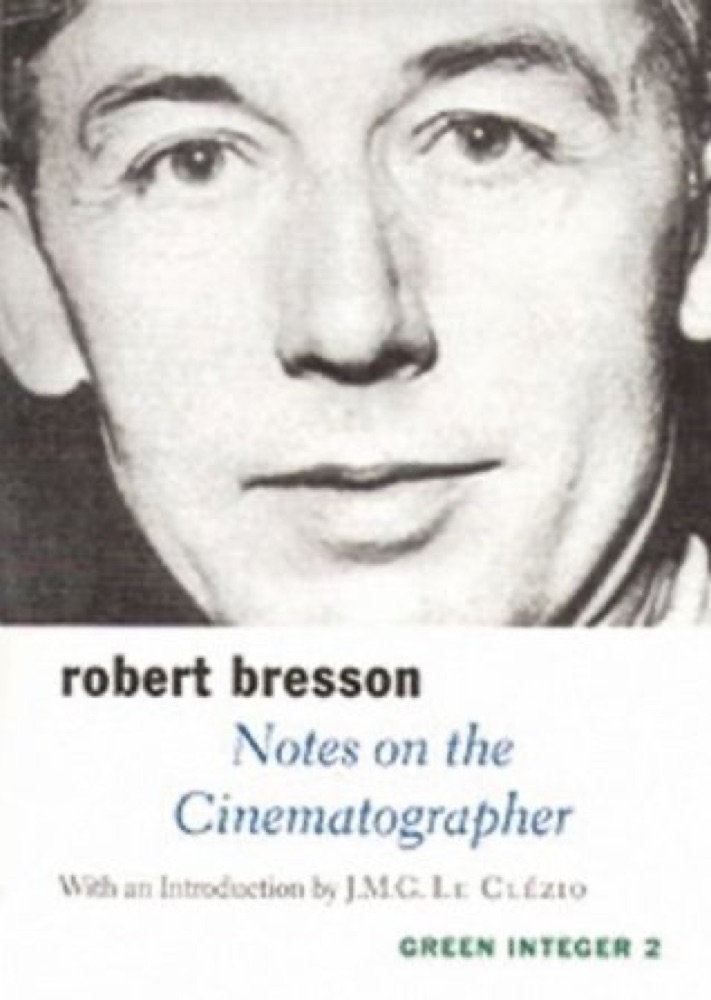
 Notes on the Cinematographer
Quotes from the Book
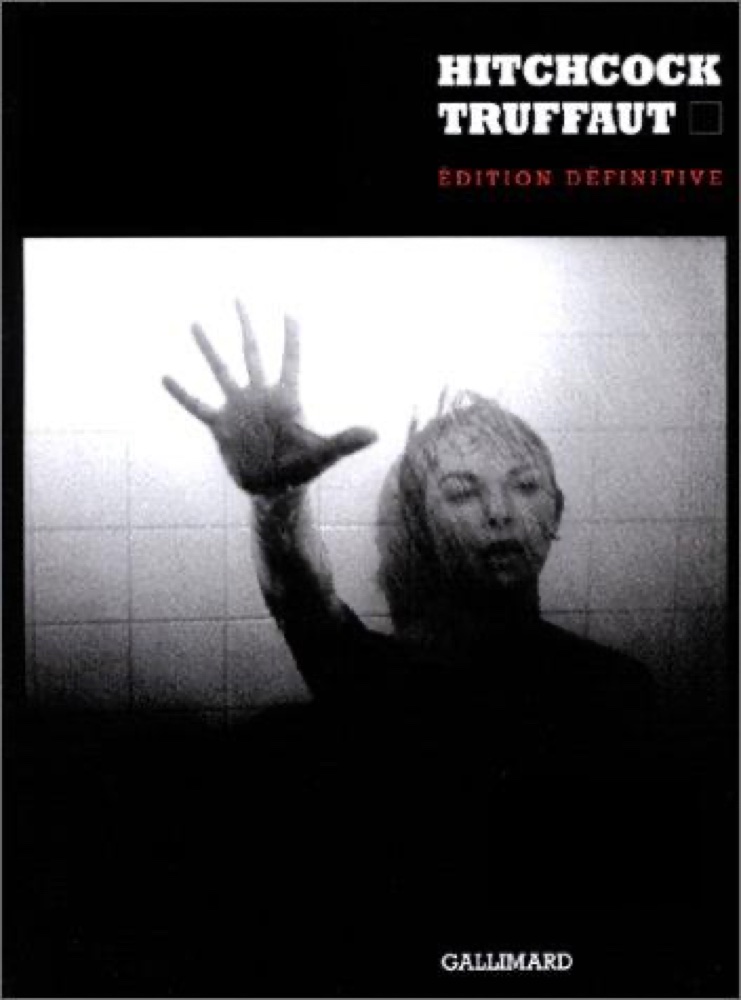
In many of the films now being made, there is very little cinema: they are mostly what I call 'photographs of people talking.' When we tell a story in cinema we should resort to dialogue only when it's impossible to do otherwise. I always try to tell a story in the cinematic way, through a succession of shots and bits of film in between.
To reproach Hitchcock for specializing in suspense is to accuse him of being the least boring of filmmakers; it is also tantamount to blaming a lover who instead of concentrating on his own pleasure insists on sharing it with his partner.
The camera should never anticipate what’s about to follow.
Nowadays, the work of Alfred Hitchcock is admired all over the world. Young people who are just discovering his art through the current rerelease of Rear Window and Vertigo, or through North by Northwest, may assume his prestige has always been recognized, but this is far from being the case. In the fifties and sixties, Hitchcock was at the height of his creativity and popularity. He was, of course, famous due to the publicity masterminded by producer David O. Selznick during the six or seven years of their collaboration on such films as Rebecca, Notorious, Spellbound, and The Paradine Case. His fame had spread further throughout the world via the television series Alfred Hitchcock Presents in the mid-fifties. But American and European critics made him pay for his commercial success by reviewing his work with condescension, and by belittling each new film. (...) In examining his films, it was obvious that he had given more thought to the potential of his art than any of his colleagues. It occurred to me that if he would, for the first time, agree to respond seriously to a systematic questionnaire, the resulting document might modify the American critics’ approach to Hitchcock. That is what this book is all about.
That’s because the theme of the innocent man being accused, I feel, provides the audience with a greater sense of danger. It’s easier for them to identify with him than with a guilty man on the run. I always take the audience into account.
gatherings I would sit quietly in a corner, saying nothing. I looked and observed a good deal. I’ve always been that way and still am. I was anything but expansive. I was a loner—can’t remember ever
Suspense is simply the dramatization of a film’s narrative, or if you will, the most intense presentation possible of dramatic situations.
The art of creating suspense is also the art of involving the audience, so that the viewer is actually a participant in the film.
Watch on YouTube
About François Truffaut
We have collected 8 quotes from 1 book by François Truffaut on BookQuoters.
More about the author →Book details
- Author
- François Truffaut
- Genre
- Nonfiction
- Goodreads rating
- 4.47 (10k ratings) →
Keep reading
Notes on the Cinematographer
 Silver Screen Fiend: Learning About Life from an Addiction to Film
 Herzog on Herzog
 Into the Woods: A Five Act Journey Into Story
 Mao II
 Danse Macabre
 Experimental Film
 As You Wish: Inconceivable Tales from the Making of The Princess Bride
 A Supposedly Fun Thing I'll Never Do Again: Essays and Arguments
 Story: Substance, Structure, Style, and the Principles of Screenwriting
 Making Movies
 Devil House
 Illuminations: Essays and Reflections
 Ayoade on Ayoade: A Cinematic Odyssey
 Life Itself
 Speedboat
 20th Century Ghosts
 The Pale King
 Room to Dream
 The A.B.C. Murders
 Stein on Writing
 An Actor Prepares
 Underworld
 The Atrocity Exhibition
 MaddAddam
 The Journalist and the Murderer
 Screenplay: The Foundations of Screenwriting
 The Peripheral
 The Devil Finds Work: Essays
 Truly, Devious
 Moving Pictures
 Wired for Story: The Writer's Guide to Using Brain Science to Hook Readers from the Very First Sentence
 I'll Be Gone in the Dark: One Woman's Obsessive Search for the Golden State Killer
 The White Album
 The Mysterious Mr. Quin
 Sonny Boy
 The Last Samurai
 The Lords and the New Creatures
 The Manual of Detection
 Flights
 Ayoade on Top
 The Moviegoer
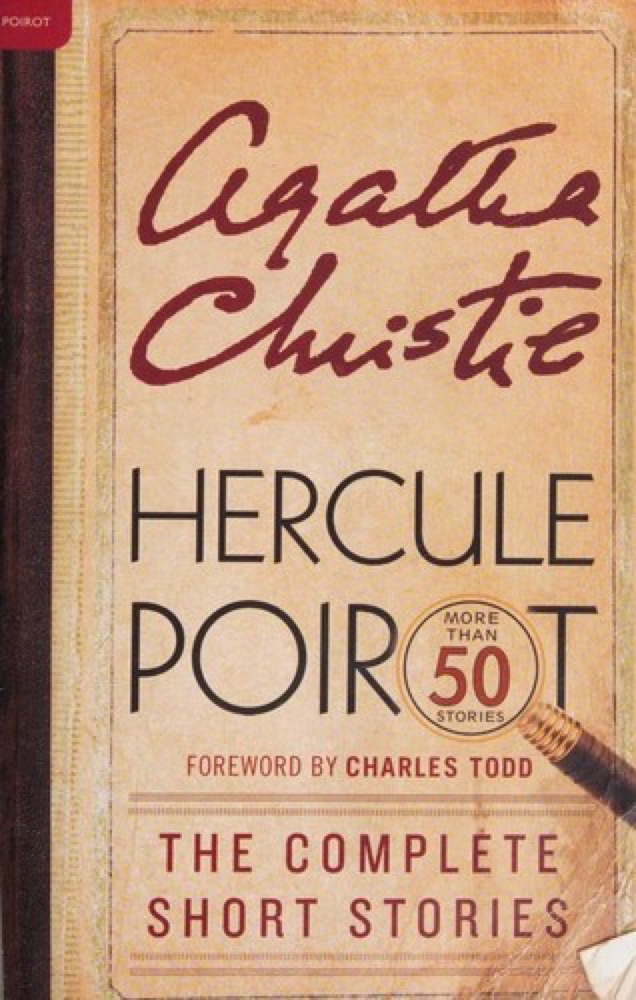 Hercule Poirot: The Complete Short Stories
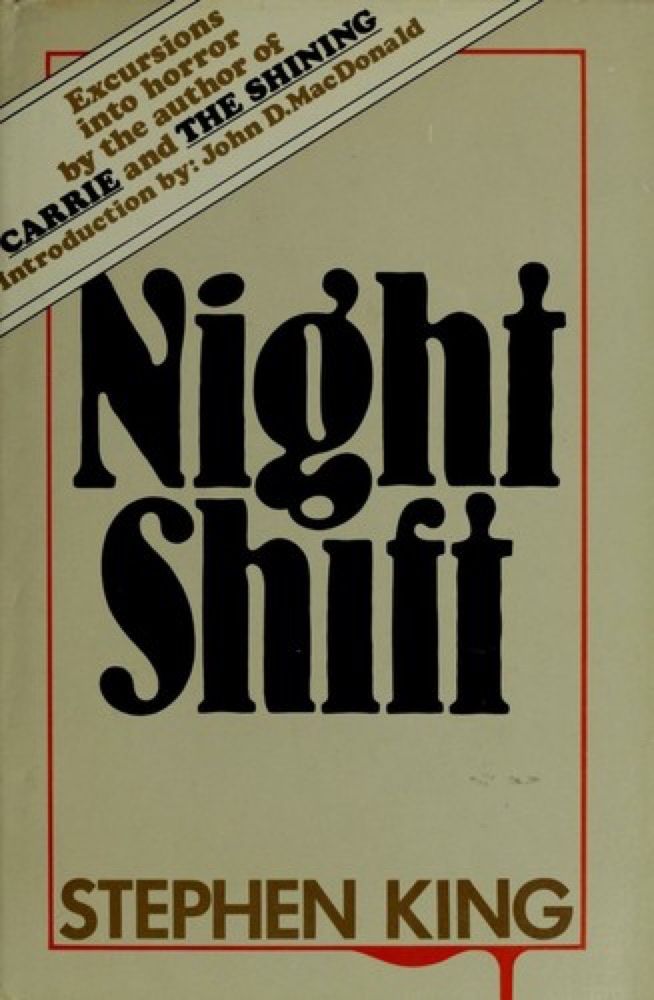 Night Shift
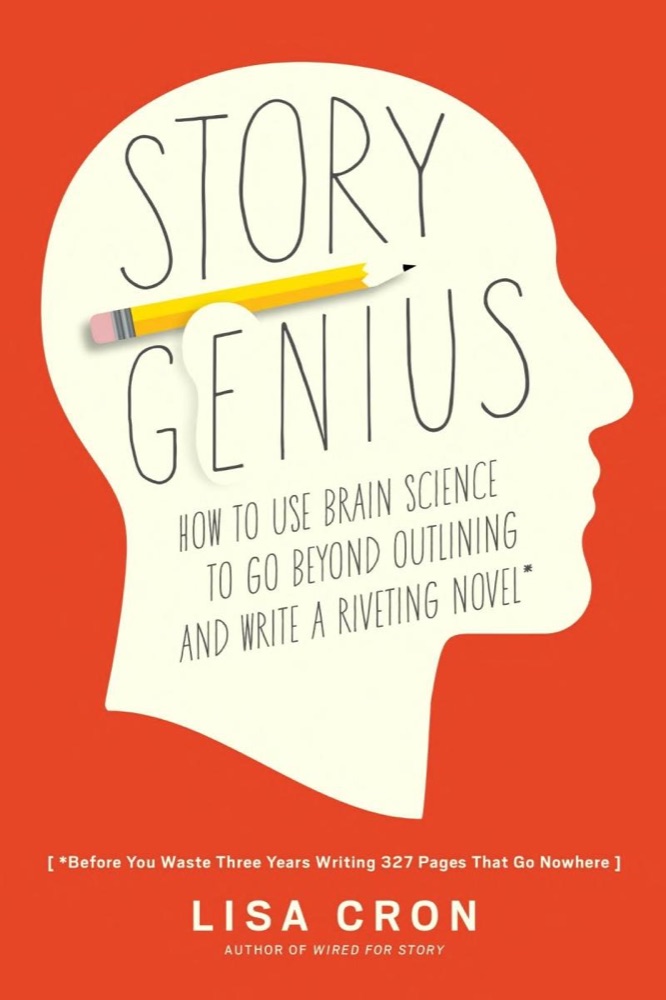 Story Genius: How to Use Brain Science to Go Beyond Outlining and Write a Riveting Novel
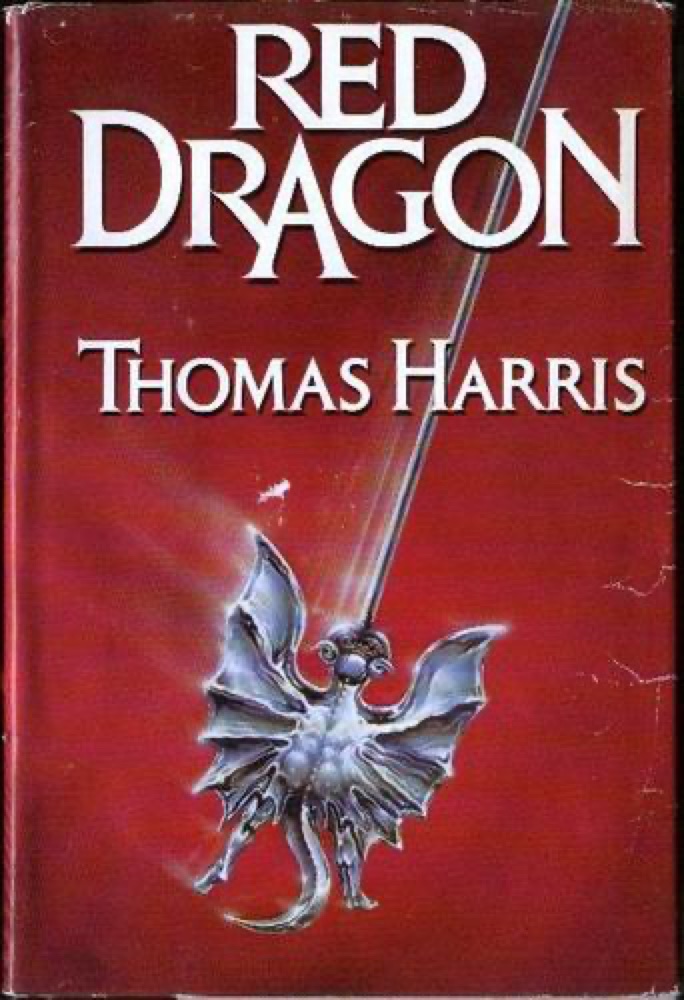 Red Dragon
 Suspect
 Cultural Amnesia: Necessary Memories from History and the Arts
 Everyone on This Train Is a Suspect
 The Bourne Identity
 A Widow for One Year
 A Darkness More Than Night
 The Simple Art of Murder
 Lexicon
 Aspects of the Novel
 The Apprentice
 The Brutal Telling
 In the Dream House
 Stories I Only Tell My Friends
 The Secret History