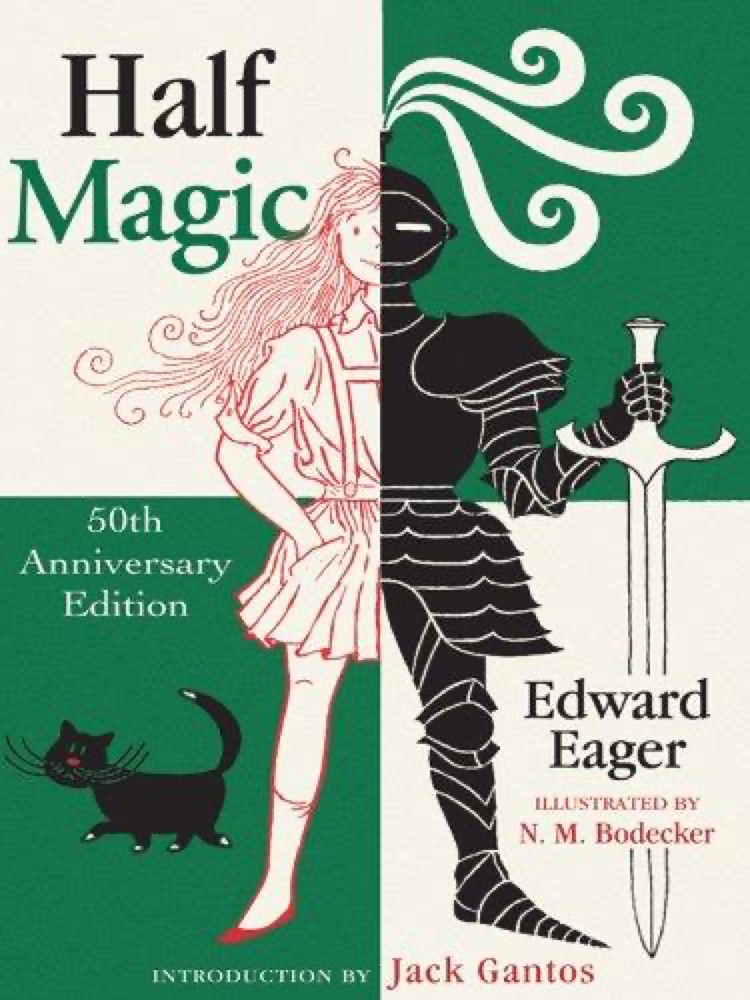

 The Children's Book
Quotes from the Book
Still, even without the country or a lake, the summer was a fine thing, particularly when you were at the beginning of it, looking ahead into it. There would be months of beautifully long, empty days, and each other to play with, and the books from the library.
In the summer you could take out ten books at a time, instead of three, and keep them a month, instead of two weeks. Of course you could take only four of the fiction books, which were the best, but Jane liked plays and they were nonfiction, and Katharine liked poetry and that was nonfiction, and Martha was still the age for picture books, and they didn’t count as fiction but were often nearly as good. Mark hadn’t found out yet what kind of nonfiction he liked, but he was still trying. Each month he would carry home his ten books and read the four good fiction ones in the first four days, and then read one page each from the other six, and then give up. Next month he would take them back and try again. The nonfiction books he tried were mostly called things like “When I was a Boy in Greece,” or “Happy Days on the Prairie”—things that made them sound like stories, only they weren’t. They made Mark furious. “It’s being made to learn things not on purpose. It’s unfair,” he said. “It’s sly.” Unfairness and slyness the four children hated above all.
Really!” said the fat lady to Jane and Katharine and Martha, who were wedged tightly against her. “Stop shoving.” “I’m sorry, but we haven’t time for you now,” said Jane to the fat lady. And she wished her twice as far as where she belonged. The lady was quite annoyed to find herself suddenly at home in her own kitchen, and later sued the newspaper for witchcraft. But she was never able to prove her case, and anyway that does not come into this story. Back in her office, the children’s mother sat staring palely at the place where the lady had been.
Who steals my purse steals trash,” he said, “but who steals my sword steals honor itself, and him will I harry by wood and by water till I cleave him from his brainpan to his thighbone!
Watch on YouTube
About Edward Eager
We have collected 4 quotes from 1 book by Edward Eager on BookQuoters.
More about the author →Book details
- Author
- Edward Eager
- Genre
- Fiction
- Goodreads rating
- 3.95 (39k ratings) →
Keep reading
The Children's Book
 Summer in Orcus
 Ten Little Indians
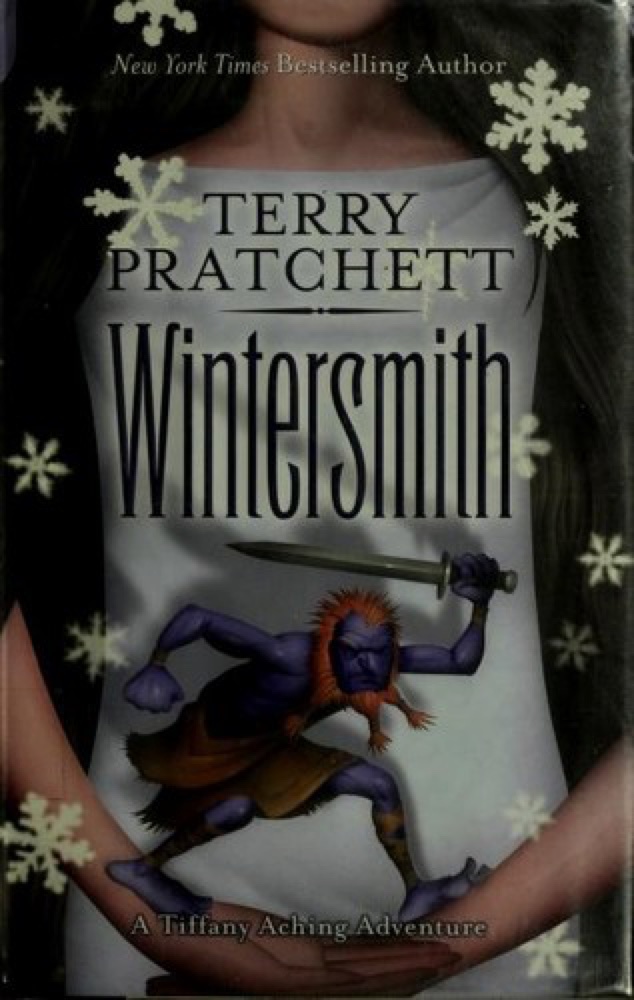 Wintersmith
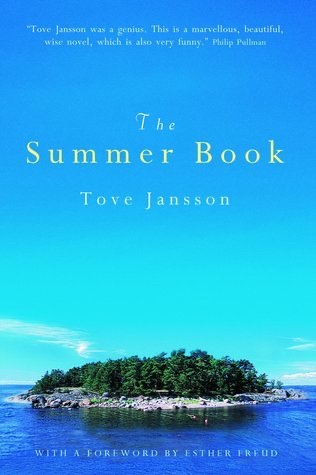 The Summer Book
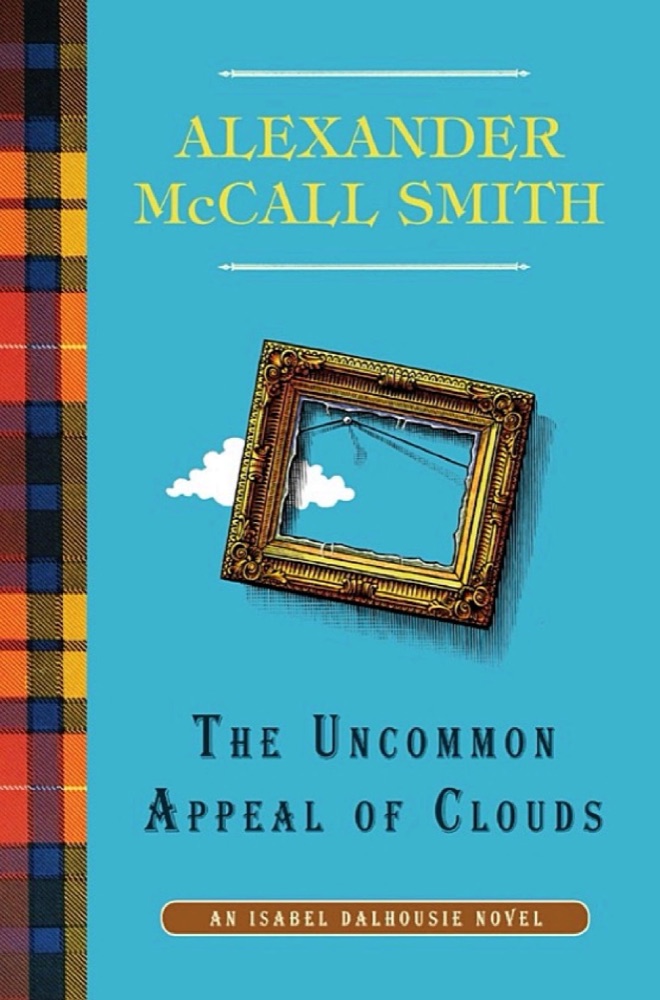 The Uncommon Appeal of Clouds
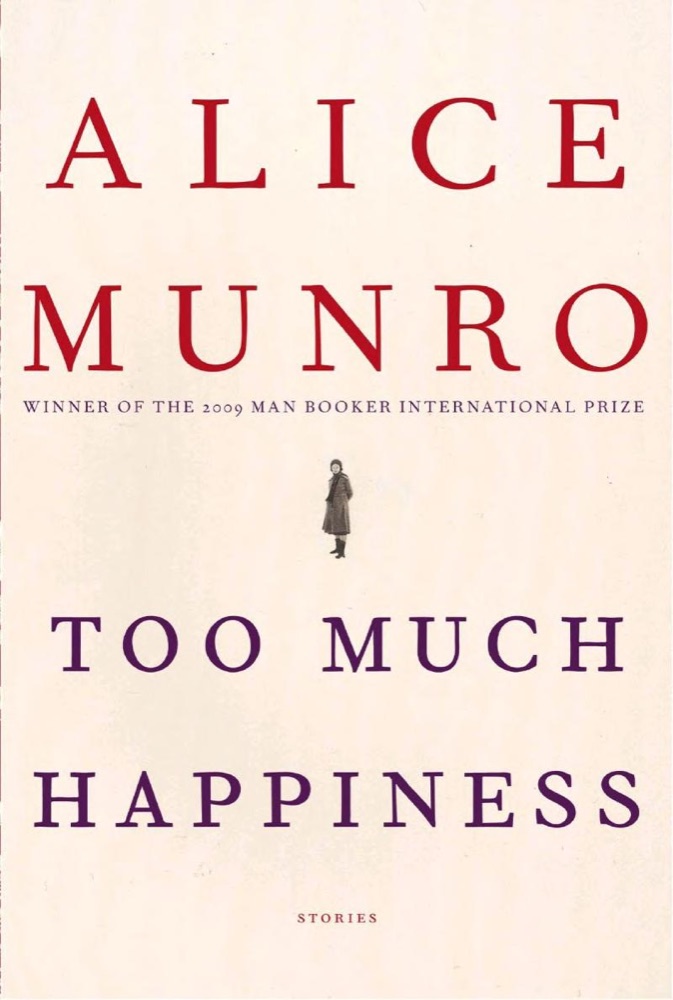 Too Much Happiness: Stories
 Raising Demons
 A Place to Hang the Moon
 Pretty Monsters: Stories
 The Dire King
 Harry Potter and the Sorcerer's Stone
 The Little Friend
 The Glass Castle
 A Children's Bible
 The Magician’s Daughter
 The Hazel Wood
 100 Cupboards
 The Emerald Atlas
 Seven Blades in Black
 Keeper of Enchanted Rooms
 The Name of This Book Is Secret
 Sorcery of Thorns
 Guards! Guards!
 The Girl Who Soared Over Fairyland and Cut the Moon in Two
 The Absolute Book
 The Novel Habits of Happiness
 My Unfair Godmother
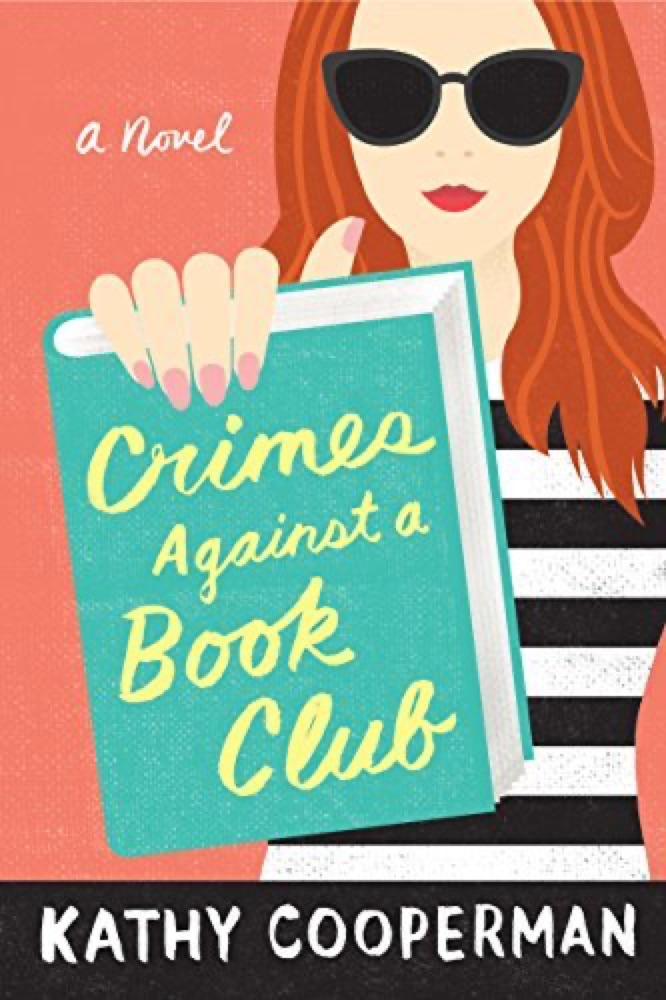 Crimes Against a Book Club
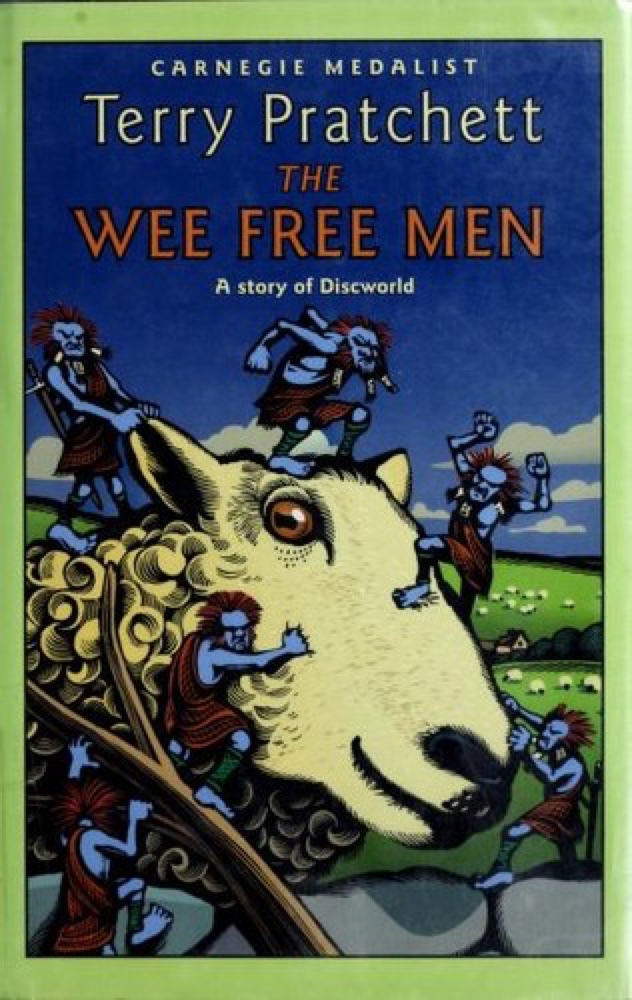 The Wee Free Men
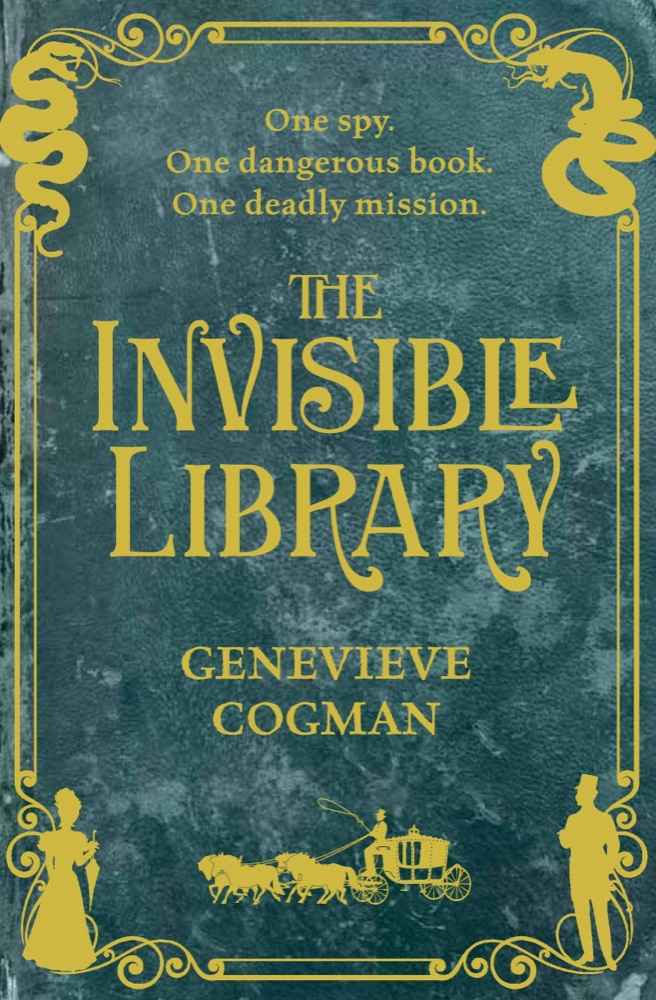 The Invisible Library
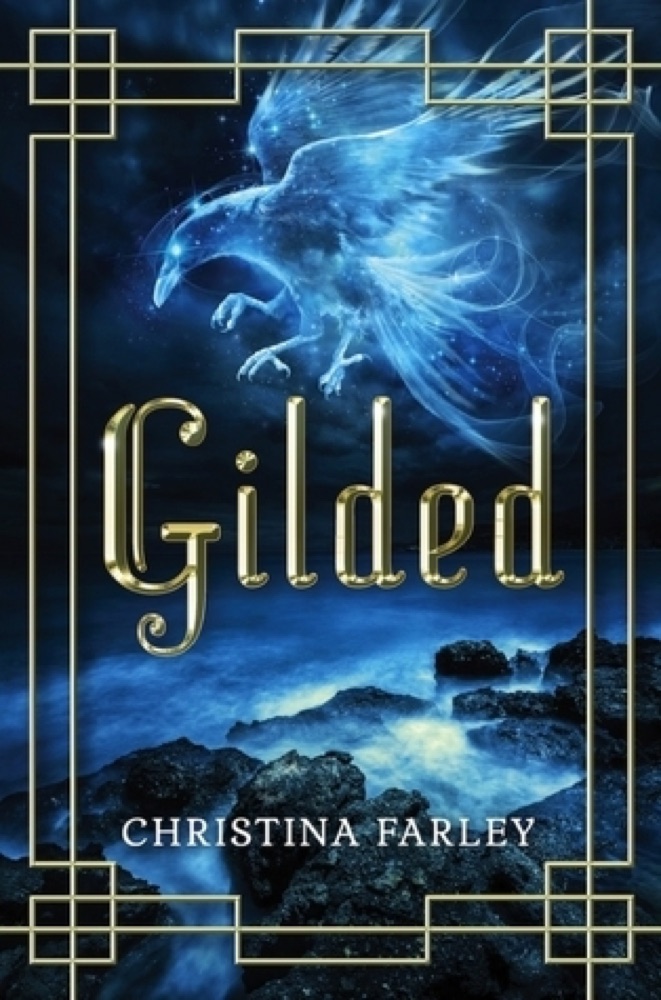 Gilded
 The Twisted Ones
 The Grace of Wild Things
 People of the Book
 Something Wicked This Way Comes
 The Girl at Midnight
 The Stories of John Cheever
 The Cat Who Saved the Library
 The Complete Stories
 Homicide in Hardcover
 The Book That Wouldn’t Burn
 There but for the
 What Is Not Yours Is Not Yours
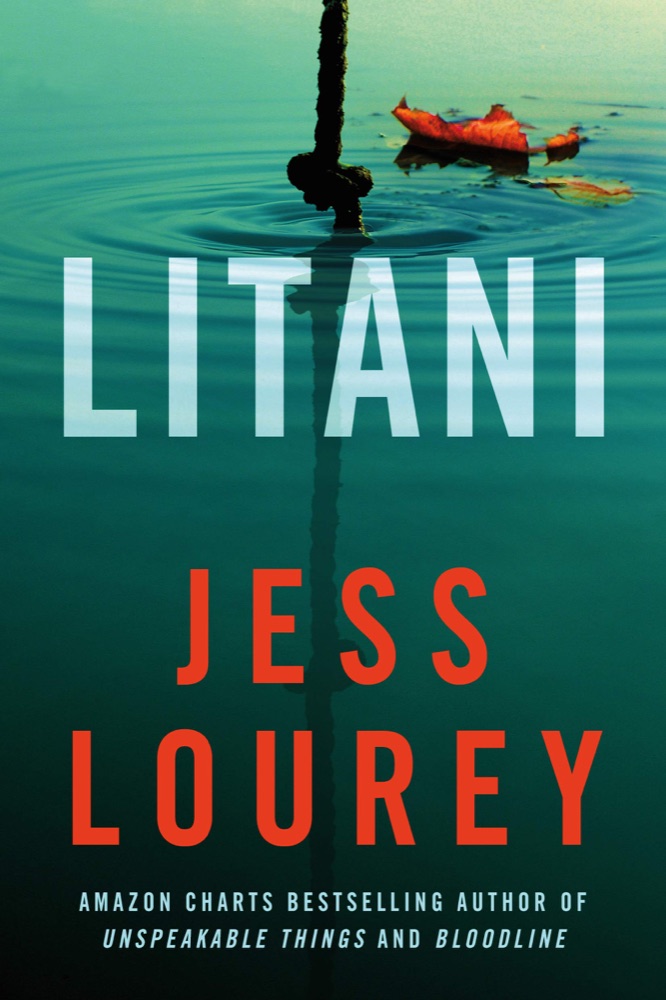 Litani
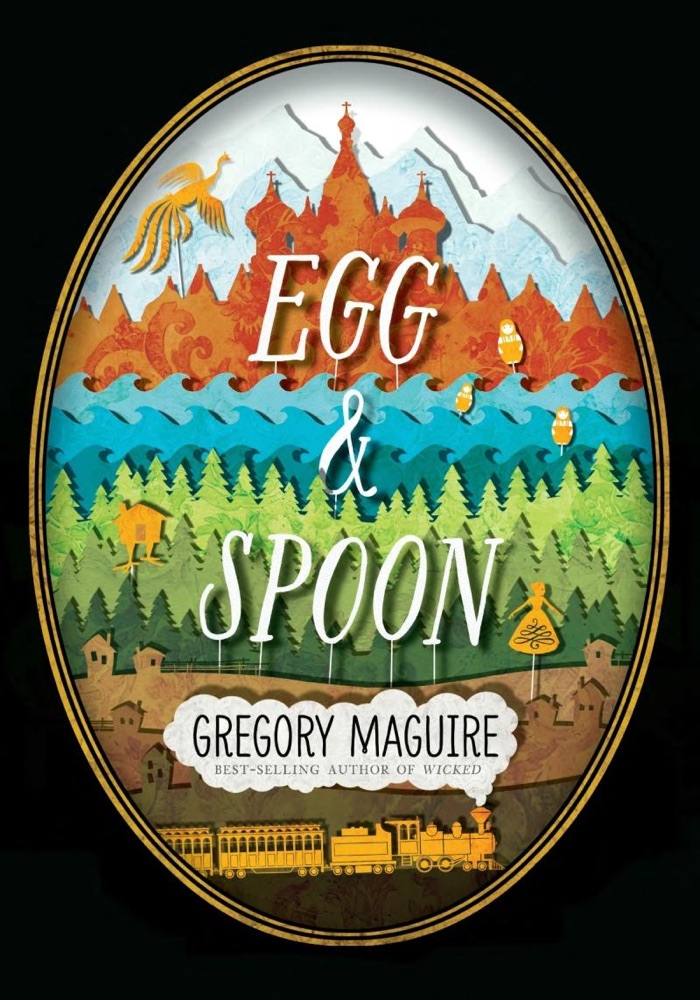 Egg & Spoon
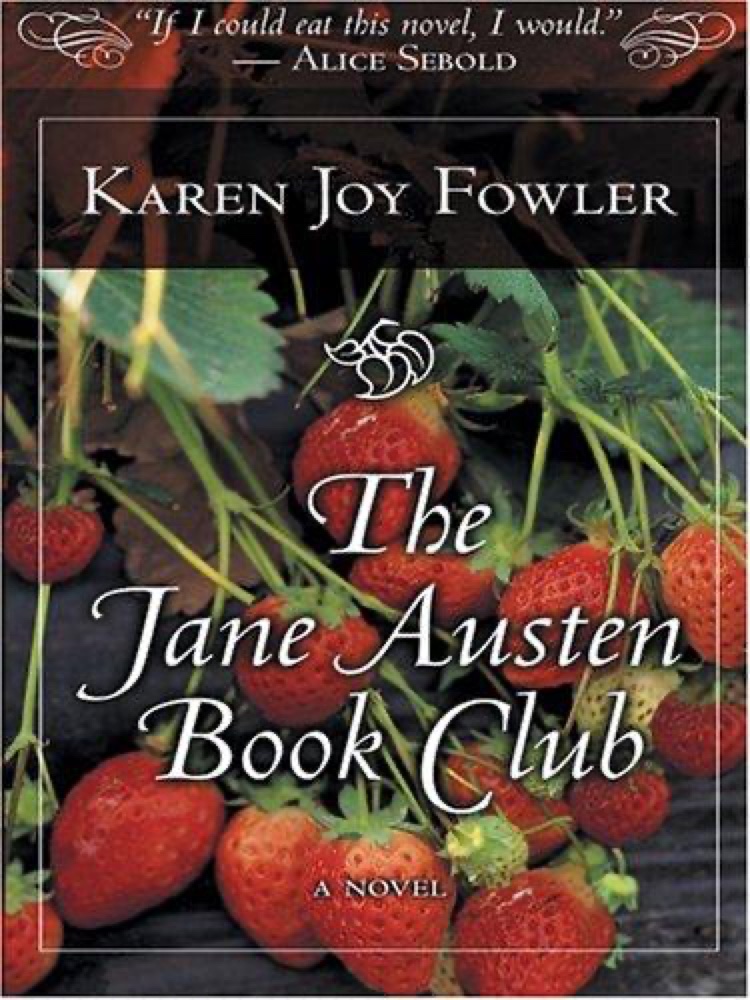 The Jane Austen Book Club
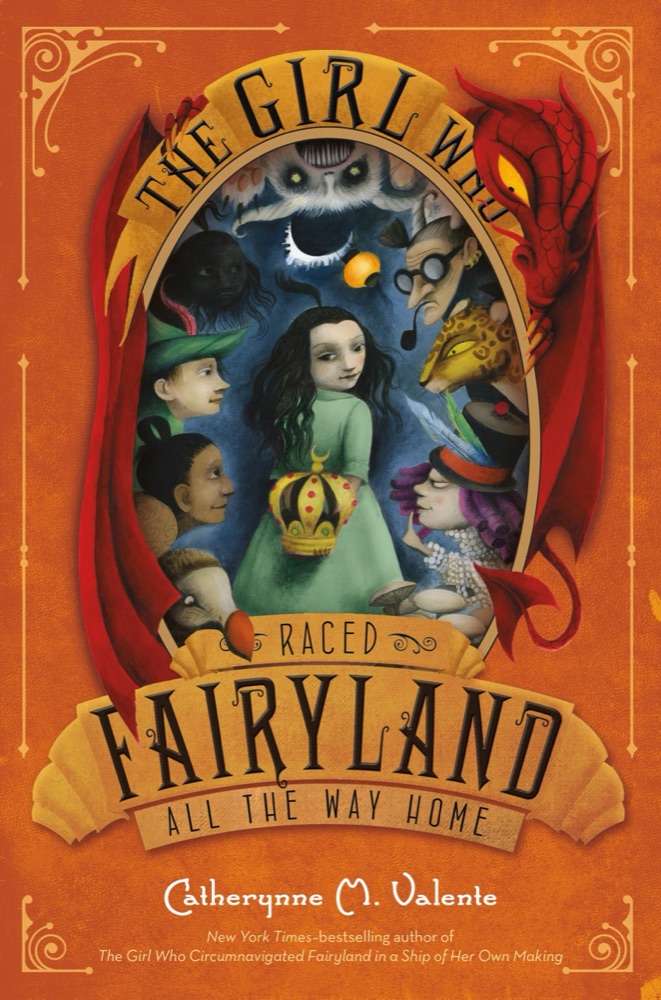 The Girl Who Raced Fairyland All the Way Home
 Stone Mattress: Nine Tales
 Death Watch
 Omensetter's Luck
 The Complete Saki
 Witch Week
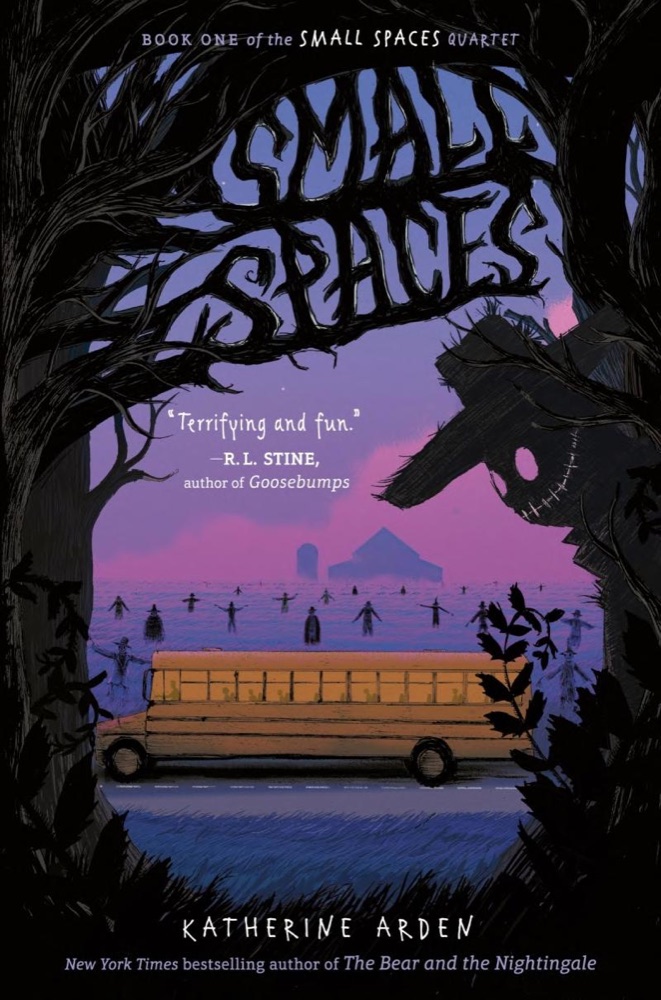 Small Spaces
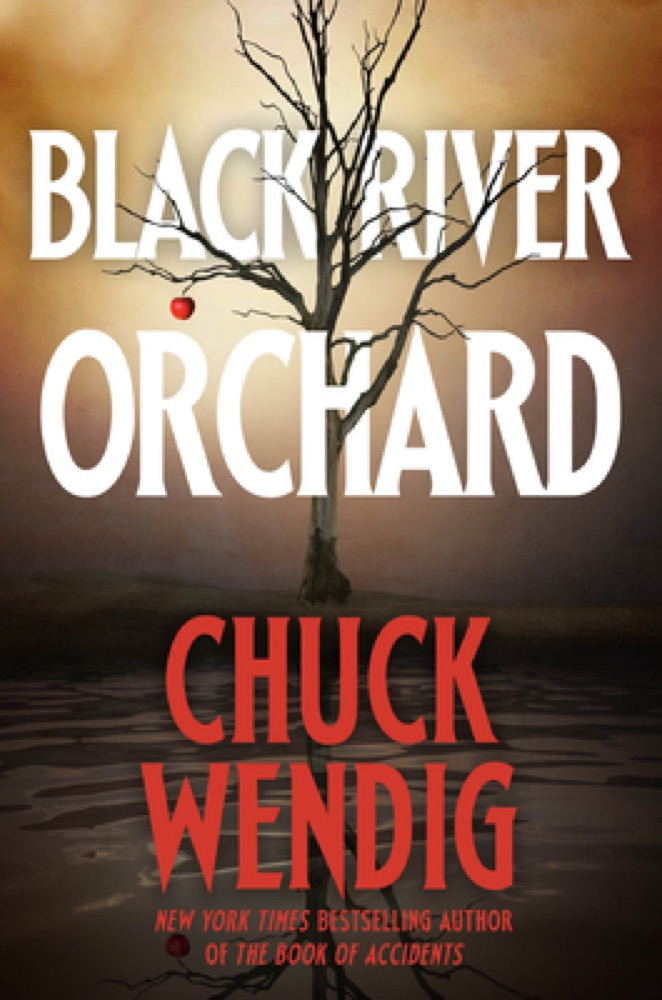 Black River Orchard
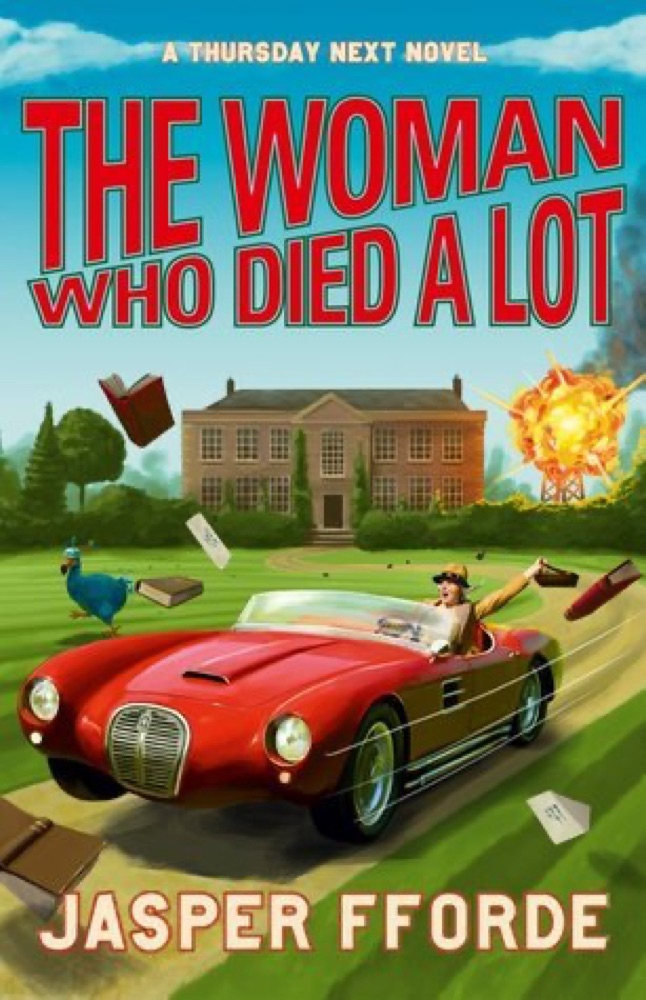 The Woman Who Died a Lot
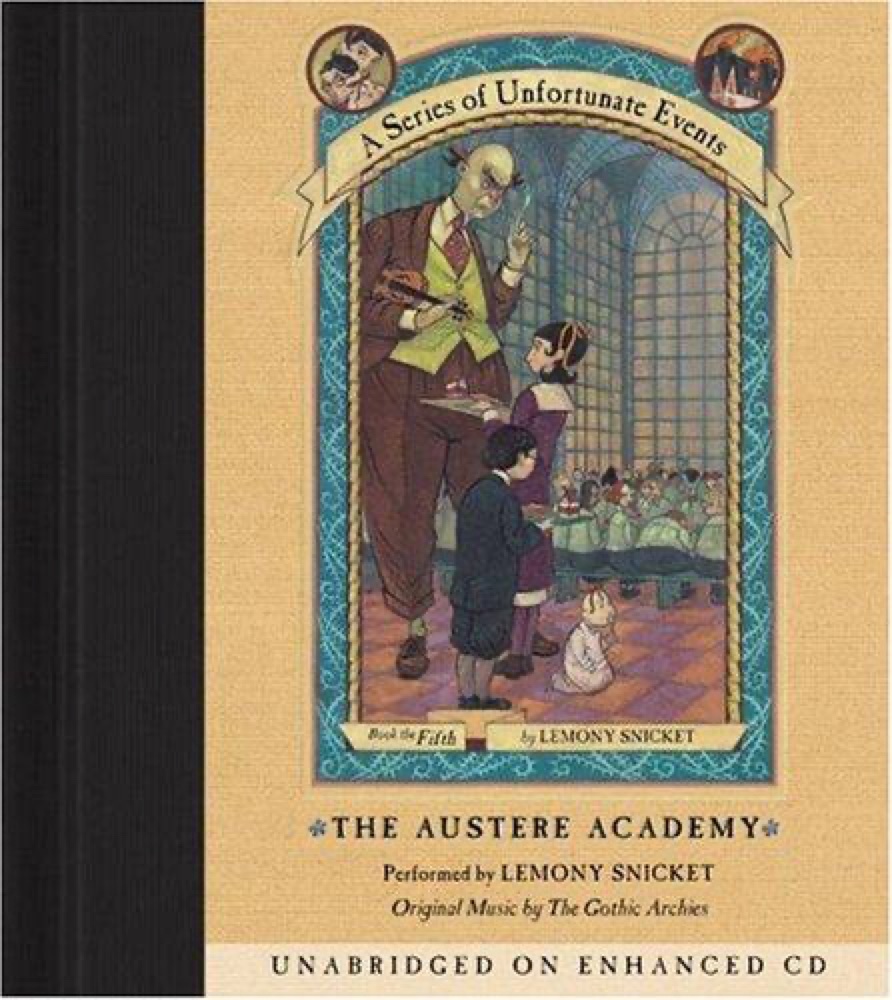 The Austere Academy
 Truly, Devious
 The Fortress of Solitude
 The Boy Who Lost Fairyland