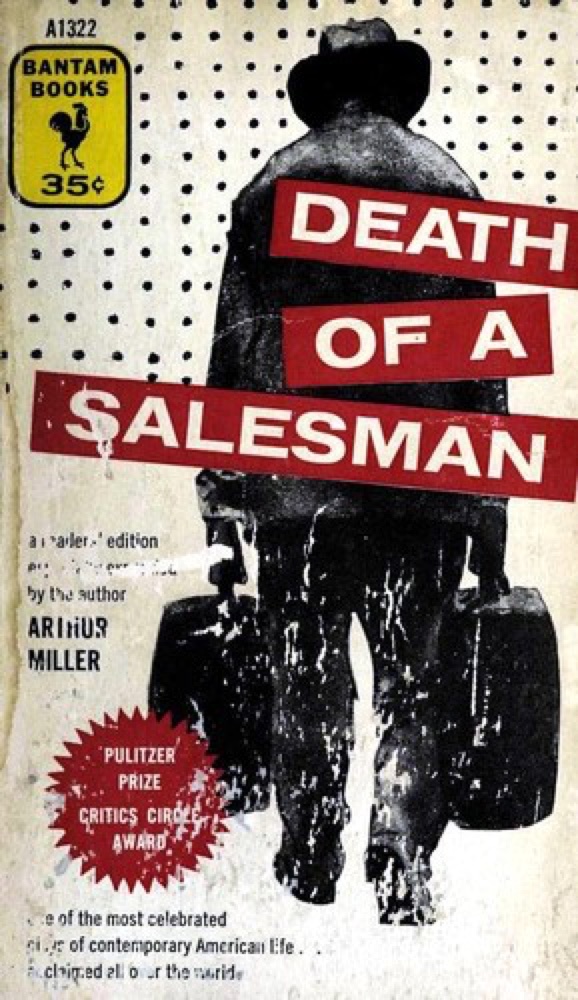

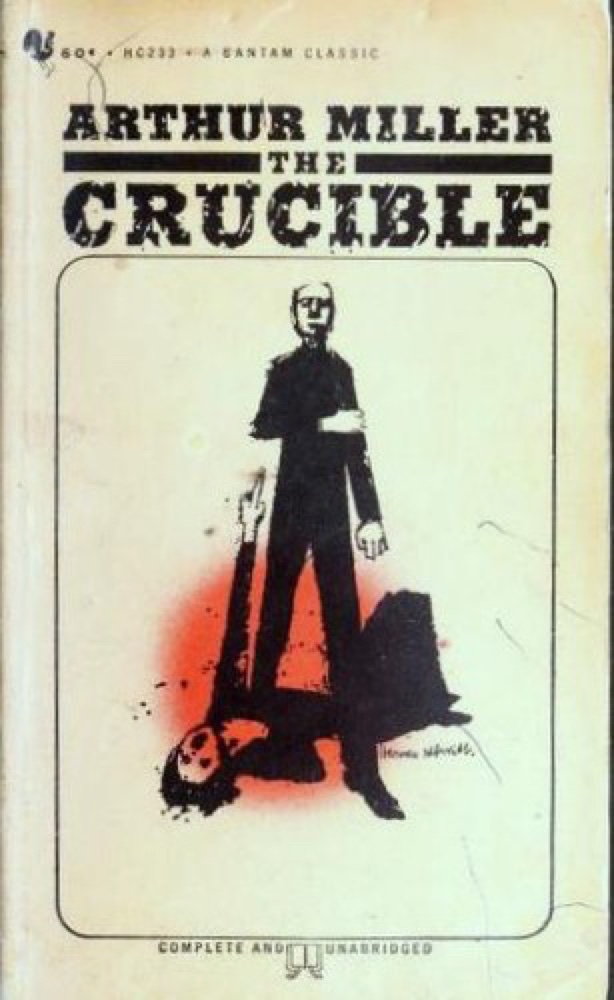
 The Crucible
Quotes from the Book
Why am I trying to become what I don’t want to be … when all I want is out there, waiting for me the minute I say I know who I am.
The jungle is dark but full of diamonds, Willy.
I realized what a ridiculous lie my whole life has been.
A small man can be just as exhausted as a great man.
You can't eat the orange and throw the peel away - a man is not a piece of fruit.
I stopped in the middle of that building and I saw — the sky. I saw the things that I love in this world. The work and the food and time time to sit and smoke. And I looked at the pen and said to myself, what the hell am I grabbing this for? Why am I trying to become what I don't want to be? What am I doing in an office, making a contemptuous, begging fool of myself, when all I want is out there, waiting for me the minute I say I know who I am! Why can't I say that, Willy?
Sometimes...it's better for a man just to walk away. But if you can't walk away? I guess that's when it's tough.
I don't say he's a great man. Willie Loman never made a lot of money. His name was never in the paper. He's not the finest character that ever lived. But he's a human being, and a terrible thing is happening to him. So attention must be paid. He's not to be allowed to fall in his grave like an old dog. Attention, attention must finally be paid to such a person.
Pop, I'm nothing! I'm nothing, Pop. Can't you understand that? There's no spite in it any more. I'm just what I am, that's all.
Be loving to him. Because he’s only a little boat looking for a harbor.
A man is not a bird, to come and go with the springtime.
Well, I spent six or seven years after high school trying to work myself up. Shipping clerk, salesman, business of one kind or another. And it's a measly manner of existence. To get on that subway on the hot mornings in summer. To devote your whole life to keeping stock, or making phone calls, or selling or buying. To suffer fifty weeks of the year for the sake of a two-week vacation, when all you really desire is to be outdoors, with your shirt off. And always to have to get ahead of the next fella. And still — that's how you build a future.
The only thing you've got in this world is what you can sell.
Will you let me go for Christ's sake? Will you take that phony dream and burn it before something happens?
It's a measly manner of existence. To get on that subway on the hot mornings in summer. To devote your whole life to keeping stock, or making phone calls, or selling or buying. To suffer fifty weeks of the year for a two week vacation, when all you really desire is to be outdoors, with your shirt off. And still-that's how you build a future.
Willy Loman: I don't want change, I want Swiss cheese!
Nobody dast blame this man. You don’t understand: Willy was a salesman. And for a salesman, there’s no rock bottom to the life. He don’t put a bolt to a nut, he don’t tell you the law or give you medicine. He’s a man way out there in the blue riding on a smile and a shoeshine. And when they start not smiling back—that’s an earthquake. And then you get yourself a couple spots on your hat and your finished. Nobody dast blame this man. A salesman is got to dream boy, it comes with the territory.
Charley: He won't starve. None a them starve. Forget about him. Willy: Then what have I got to remember?
What a woman! They broke the mould when they made her.
On the road I want to grab you sometimes and just kiss the life outa you
When I was seventeen I walked into the jungle, and when I was twenty-one I walked out. And by God I was rich.
To suffer fifty weeks of the year for the sake of a two-week vacation, when all you really desire is to be outdoors, with your shirt off.
The only thing you got in this world is what you can sell.
HAPPY: All right, boy. I'm gonna show you and everybody else that Willy Loman did not die in vain. He had a good dream. It's the only dream you can have-- to come out number-one man.
He's just a big stupid man to you, but I tell you there's more good in him than in may other people.
He's a man way out there in the blue, riding on a smile and a shoeshine. And when they start not smiling back--that's an earthquake. And then you get a couple of spots on your hat, and you're finished.
I get here, and I don't know what to do with myself. I've always made a point of not wasting my life, and every time I come back here I know that all I've done is to waste my life
I’m one-dollar an hour, Willy! I tried seven states and couldn’t raise it. A buck an hour! Do you gather my meaning? I’m not bringing home any prizes anymore and you’re going to stop waiting for me to bring them home!
Did you know?
- The play premiered on Broadway on February 10, 1949, at the Morosco Theatre.
- It won the Pulitzer Prize for Drama and the Tony Award for Best Play in 1949.
- Miller's protagonist, Willy Loman, has become an enduring symbol of the failed American Dream.
- The play is structured as a shifting montage of memories, dreams, and arguments rather than a strictly linear narrative.
- The original production's sets were designed by Jo Mielziner.
About Arthur Miller
Arthur Miller (1915-2005) was an American playwright and essayist, one of the most important dramatists of the 20th century. He wrote landmark plays including "Death of a Salesman" and "The Crucible" and won the Pulitzer Prize for Drama in 1949.
More about the author →More by Arthur Miller
About the book
"Death of a Salesman" is Arthur Miller's 1949 tragedy about Willy Loman, an aging traveling salesman in Brooklyn who has spent his life chasing a version of the American Dream built on being "well liked" and personally magnetic. As his career collapses and he loses his job, Willy drifts between the present and vivid memories of the past, confronting the gap between his inflated hopes for his sons and their disappointing reality. The play moves through what Miller staged as a montage of memories, dreams, and arguments, tracing Willy's mental decline alongside his professional failure.
At its heart the play interrogates the American Dream, exposing the promise of success through likability and salesmanship as a kind of self-delusion. Miller weaves together themes of pride, denial, the strained bonds between fathers and sons, and the crushing weight of unrealized ambition, particularly in Willy's fraught relationship with his elder son Biff and the buried betrayal that fractured their family. The everyday setting and ordinary protagonist were deliberate: Miller wanted to show that the common man could be as fit a subject for tragedy as kings and nobles.
First staged on Broadway in 1949, the play won the Pulitzer Prize for Drama and the Tony Award for Best Play in the same year, and it remains one of the most performed and studied works of American theater. Its critique of consumerist striving and its portrait of a man destroyed by illusions have made "Death of a Salesman" a touchstone for discussions of the American Dream, and it has been revived on stage and adapted for film and television many times over the decades.
Key characters
- Willy LomanAging traveling salesman and the play's tragic protagonist
- Linda LomanWilly's devoted, long-suffering wife
- Biff LomanWilly's elder son, a former high-school star adrift in adulthood
- Happy LomanWilly's younger son, chasing approval and success
- CharleyWilly's practical neighbor and friend
- BernardCharley's studious son who becomes a successful lawyer
- BenWilly's late brother, who appears in memory as an emblem of wealth and adventure
Book details
- First published
- 1949
- Length
- 139 pages
- Reading time
- 2 hours
- Author
- Arthur Miller
- Genre
- Classics
- Goodreads rating
- 3.59 (265k ratings) →
Movie & TV adaptations
- IMDb
- IMDb
- IMDb
If you liked this, read…
- 1The CrucibleAnother major Arthur Miller drama examining conscience and social pressure.
- 2A Streetcar Named DesireTennessee Williams tragedy of illusion and self-deception in mid-century America.
- 3The Great GatsbyA parallel critique of the American Dream and its costs.
Keep reading
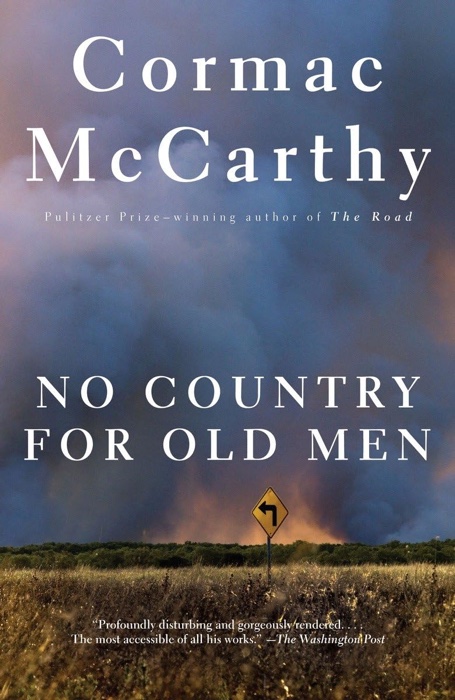 No Country for Old Men
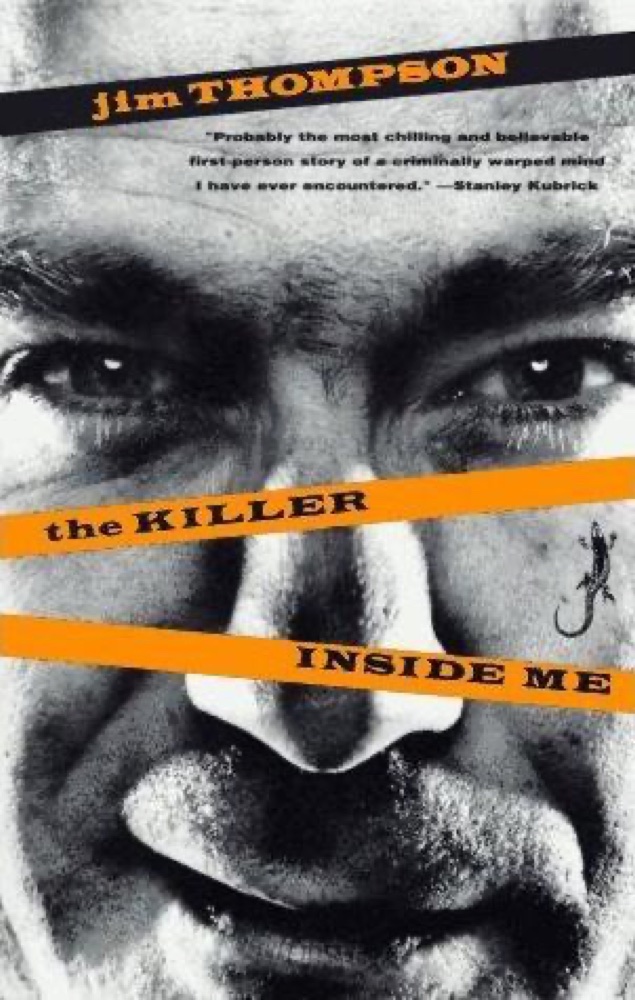 The Killer Inside Me
 The Long Goodbye
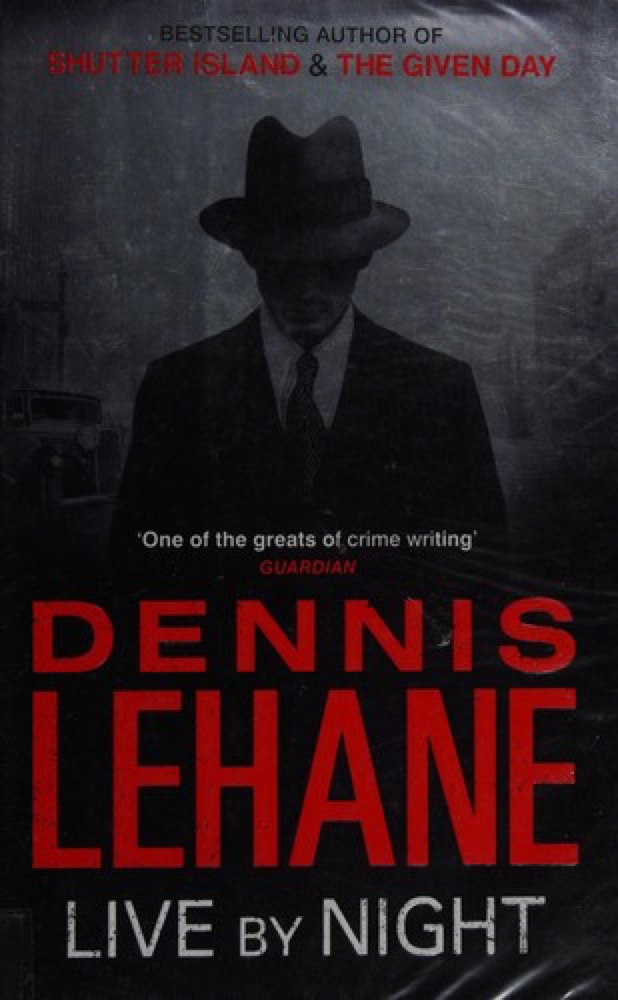 Live by Night
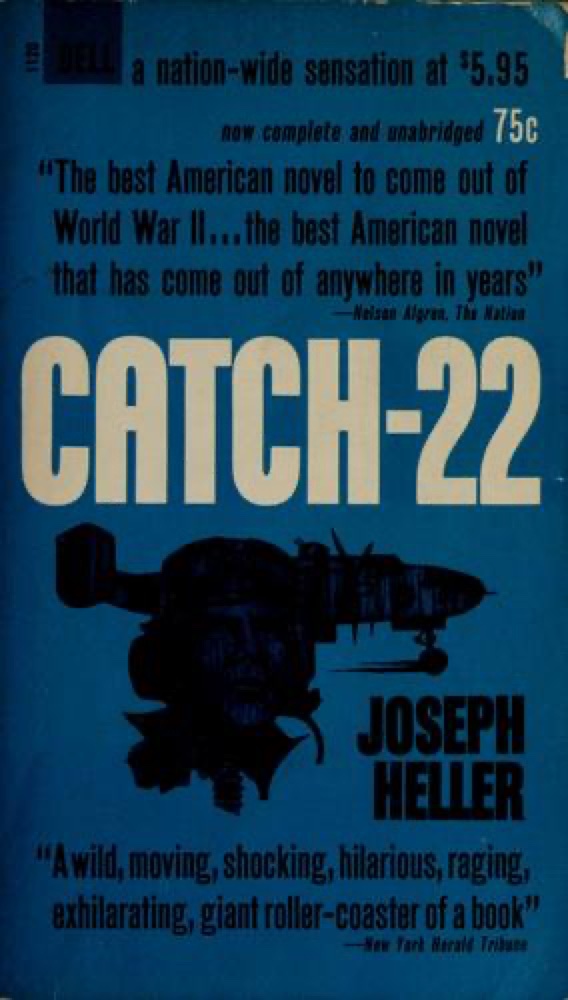 Catch-22
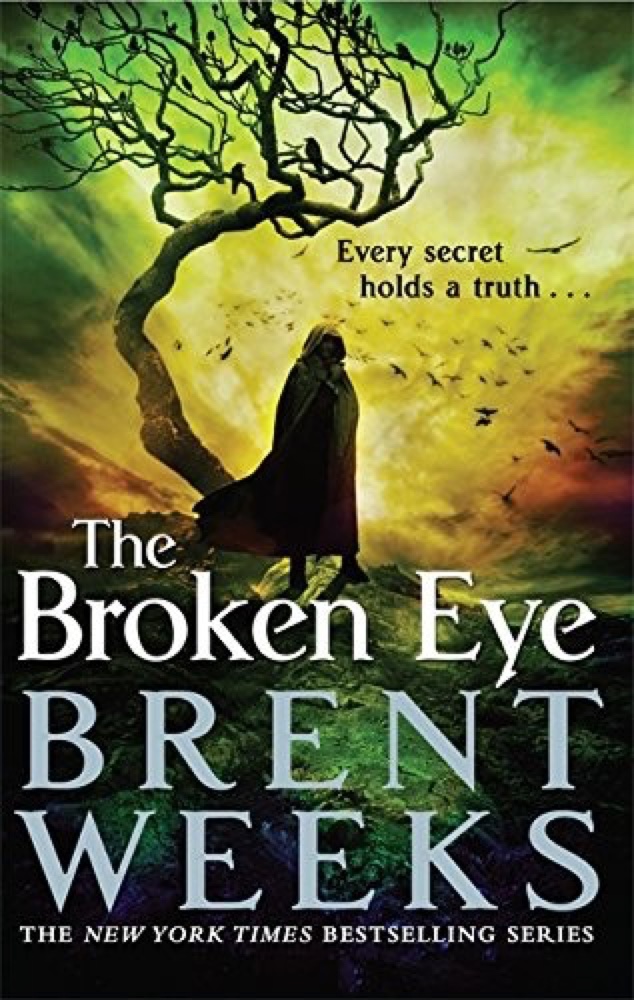 The Broken Eye
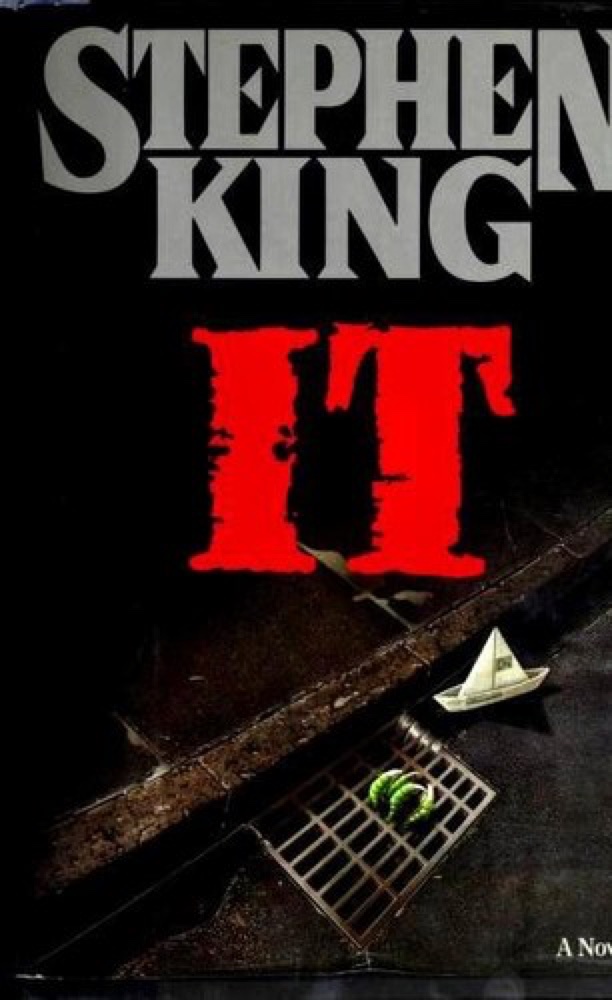 It
It
 True Grit
 Rabbit Redux
 The Grapes of Wrath
 God Bless You, Mr. Rosewater
 The Caine Mutiny
 Different Seasons
 Rita Hayworth and Shawshank Redemption
 The Adventures of Augie March
 No Exit and Three Other Plays
 Fiesta
 Fathers and Sons
 The Gum Thief
 Notes of a Dirty Old Man
 Sandman Slim
 The Illustrated Man
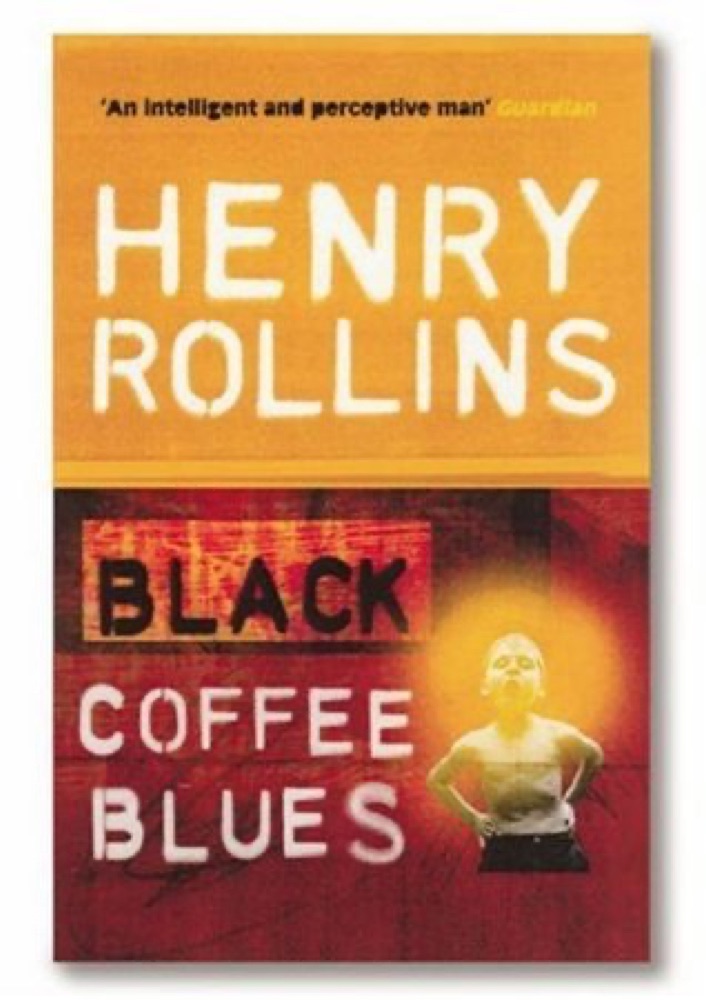 Black Coffee Blues
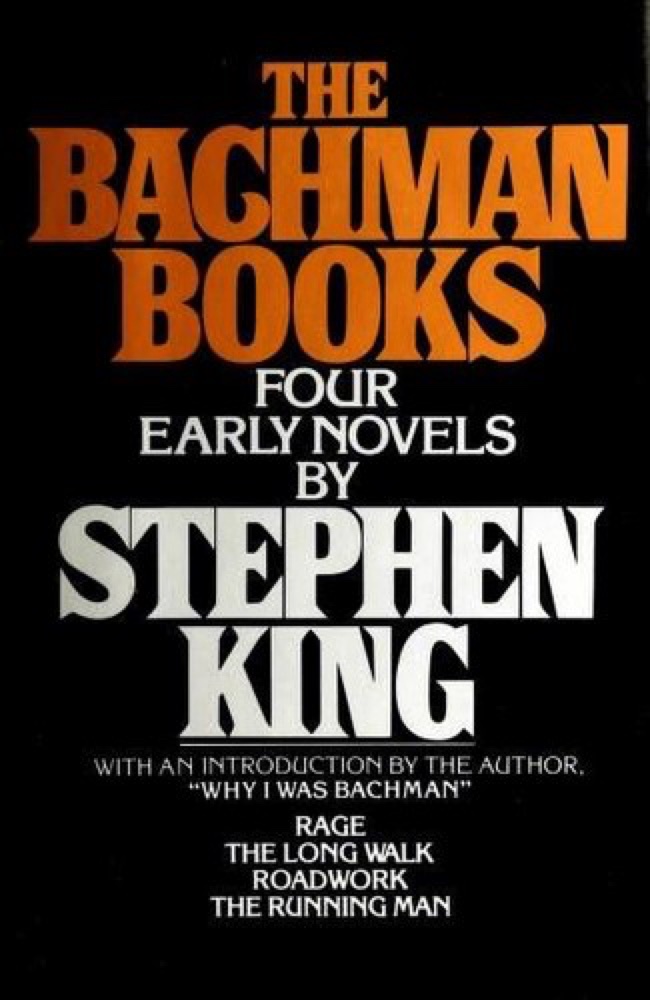 Rage
Rage
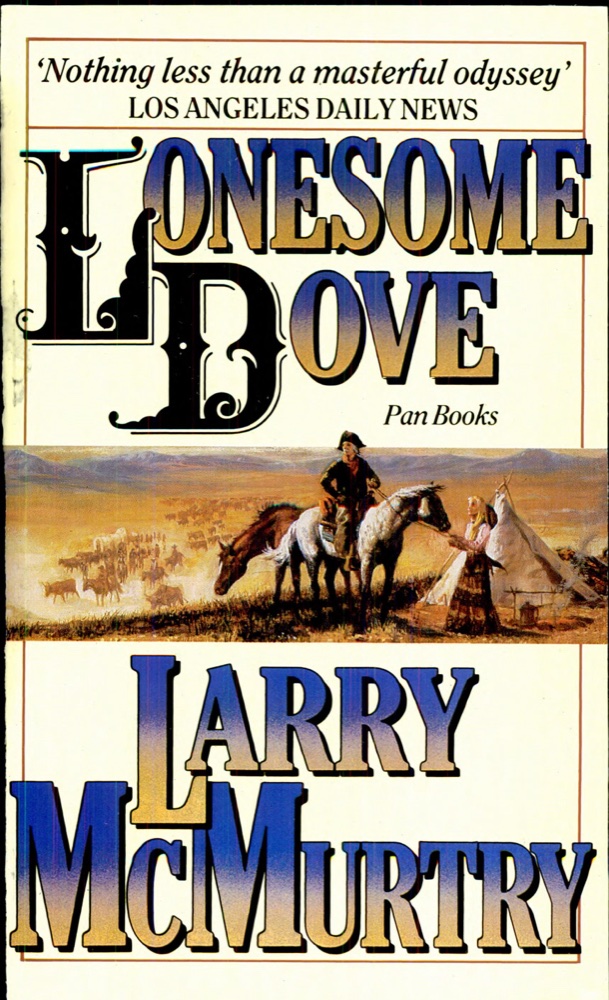 Lonesome Dove
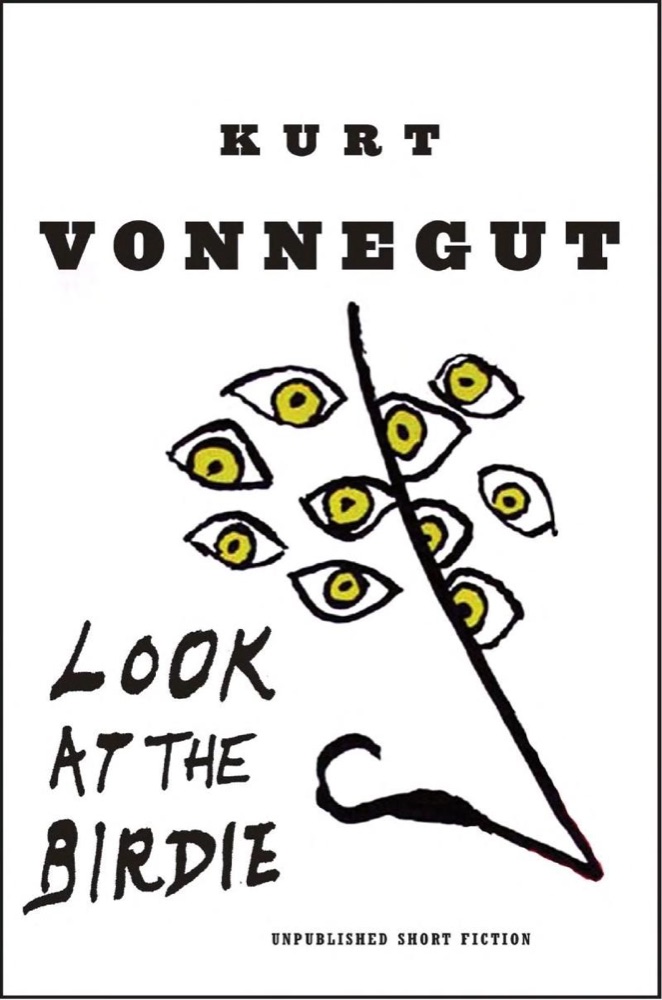 Look at the Birdie: Unpublished Short Fiction
 Pulp: Charles Bukowski's Final Hardboiled Noir Comedy – Lady Death, Aliens, and the Absurd
 Point Counter Point
 The Captain is Out to Lunch and the Sailors Have Taken Over the Ship
 Inherit the Wind
 The Graveyard Book
 A Scanner Darkly
 I Am Pilgrim
 Fight Club
 The Gun Seller
 The Blinding Knife
 Suspect
 Invisible Man
 Looking for Alibrandi
 The Kite Runner
 This Boy's Life
 Pale Gray for Guilt
 To Have and Have Not
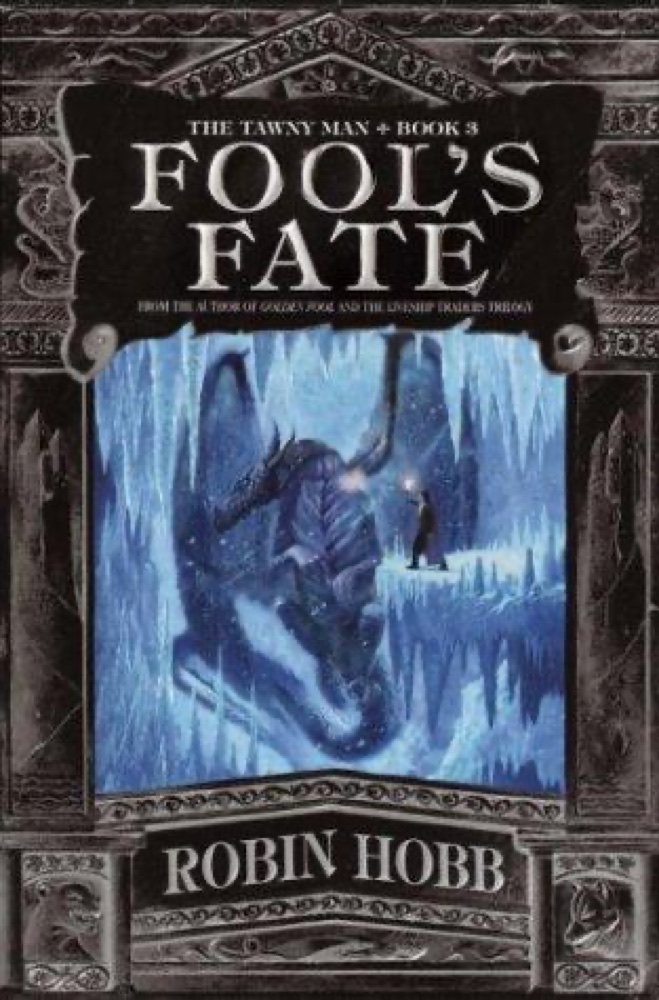 Fool's Fate
 A Fraction of the Whole
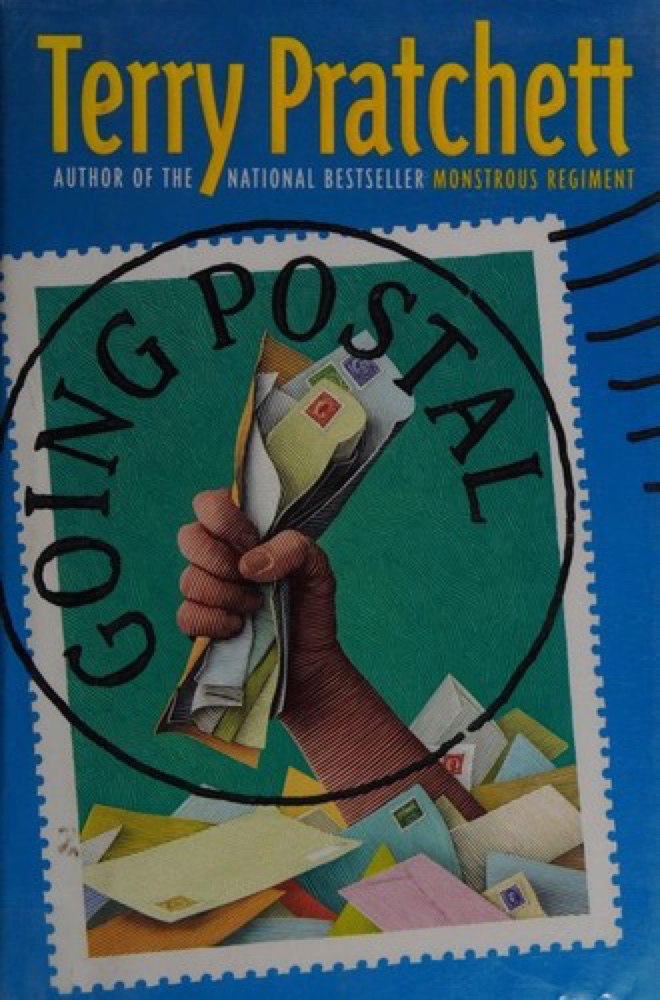 Going Postal
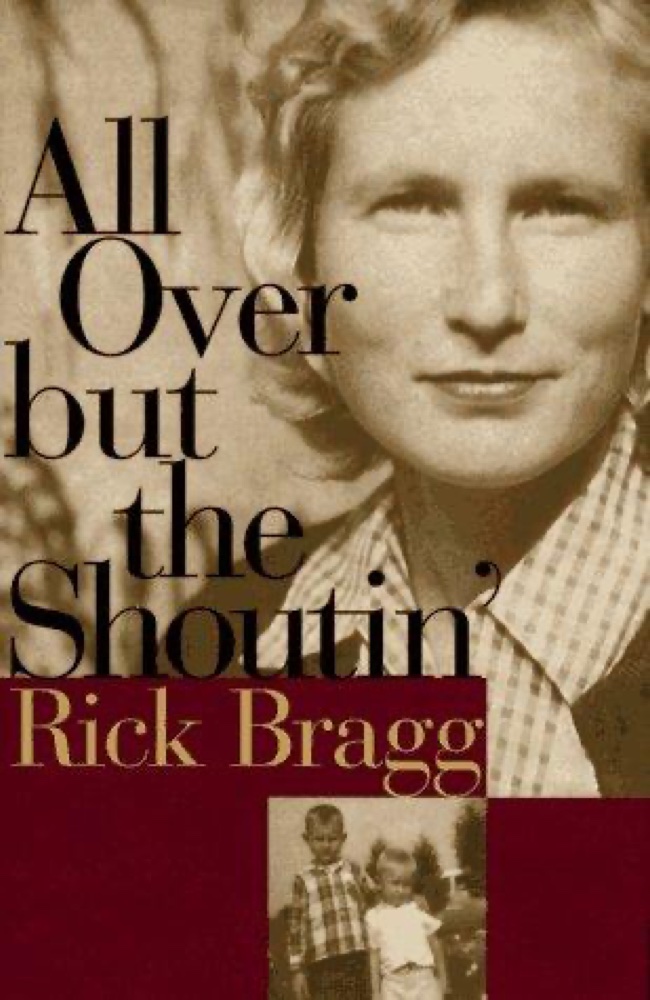 All Over But the Shoutin'
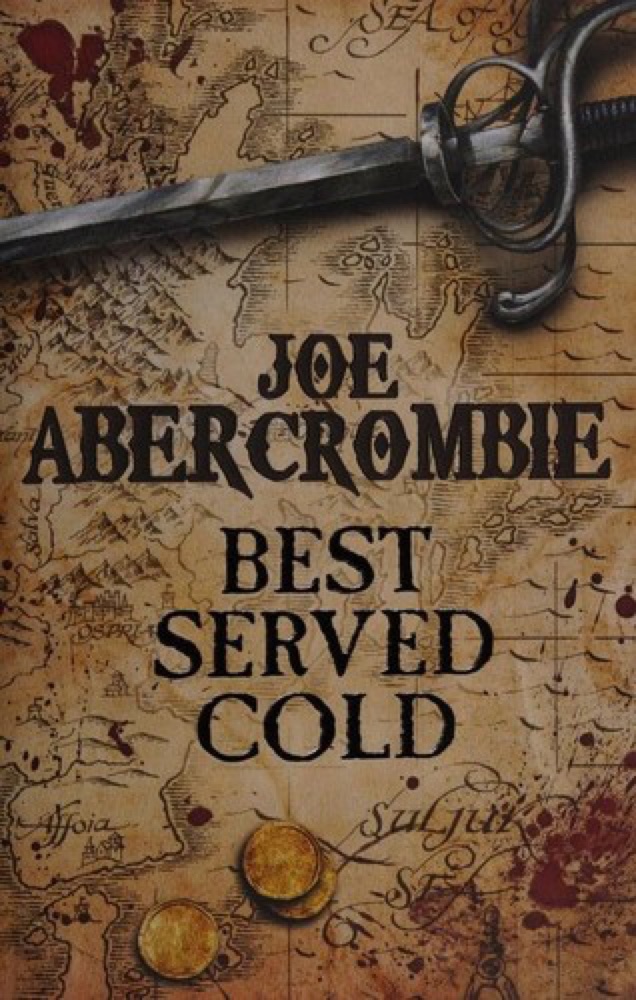 Best Served Cold
 Hope Was Here
 The Knife of Never Letting Go
 The Prisoner of Heaven
 The 5th Wave
 Survivor
 Valley of the Dolls
 Life for Sale
 The Chocolate War
 Darkfever
 The Sea Wolf
 Bluebeard
 The Liar's Key