
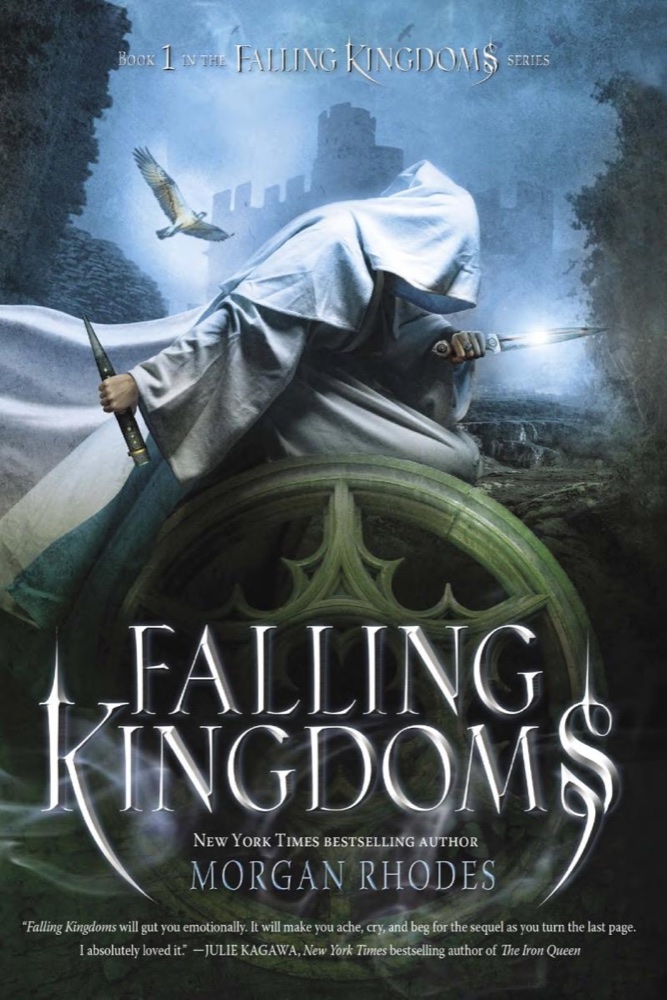
 Falling Kingdoms
Quotes from the Book
It’s when we feel the most uncertain,” her mother had told her, “that we must appear at our most confident. To show weakness is to allow others to prey upon it. Now brush your hair, lift your chin, and pretend you are the most powerful person in the room.
When on the very edge of death, matters such as fortune and legacy are meaningless in the face of knowing that someone who cares for you will hold your hand as you slip away.
A woman can always strive to be stronger in the face of painful emotions.
The fire that hollows us out is what allows us to be filled with strength and power where before there was none.
I believe in magic. In evil sorceresses who deep down are really beautiful princesses. I believe in immortals who live in a different world than this one, accessible by magical stone wheels.
This is how it's meant to be. It shows that everything that exists must one day change - but what is destroyed can be created again with patience and dedication.
Watch on YouTube
About Morgan Rhodes
We have collected 121 quotes from 5 books by Morgan Rhodes on BookQuoters.
More about the author →More by Morgan Rhodes
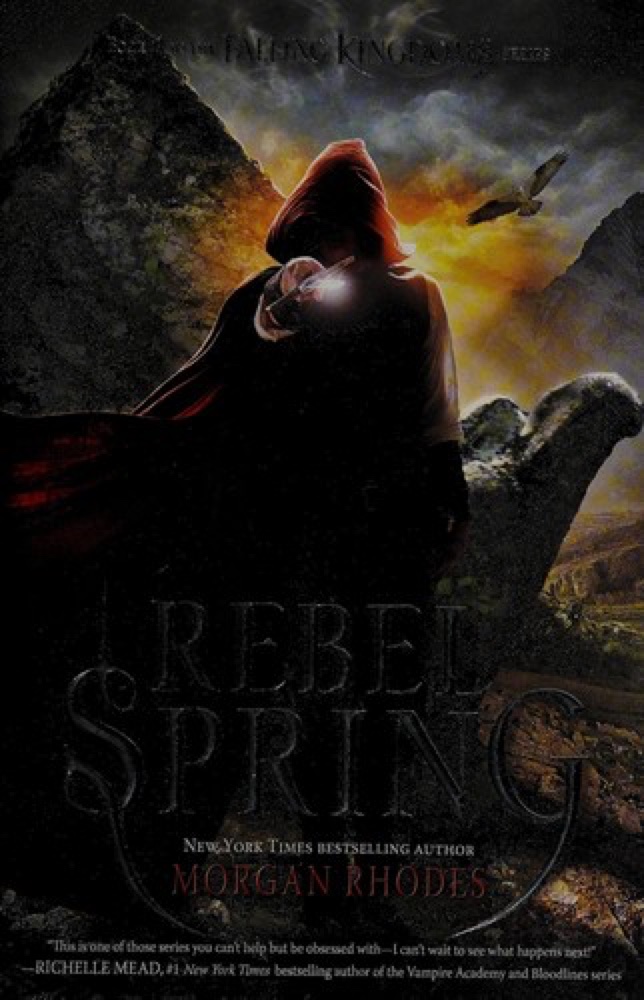
Book details
- Author
- Morgan Rhodes
- Genre
- Fantasy
- Goodreads rating
- 4.20 (18k ratings) →
Keep reading
Falling Kingdoms
 Girls of Paper and Fire
 An Ember in the Ashes
 Ice Like Fire
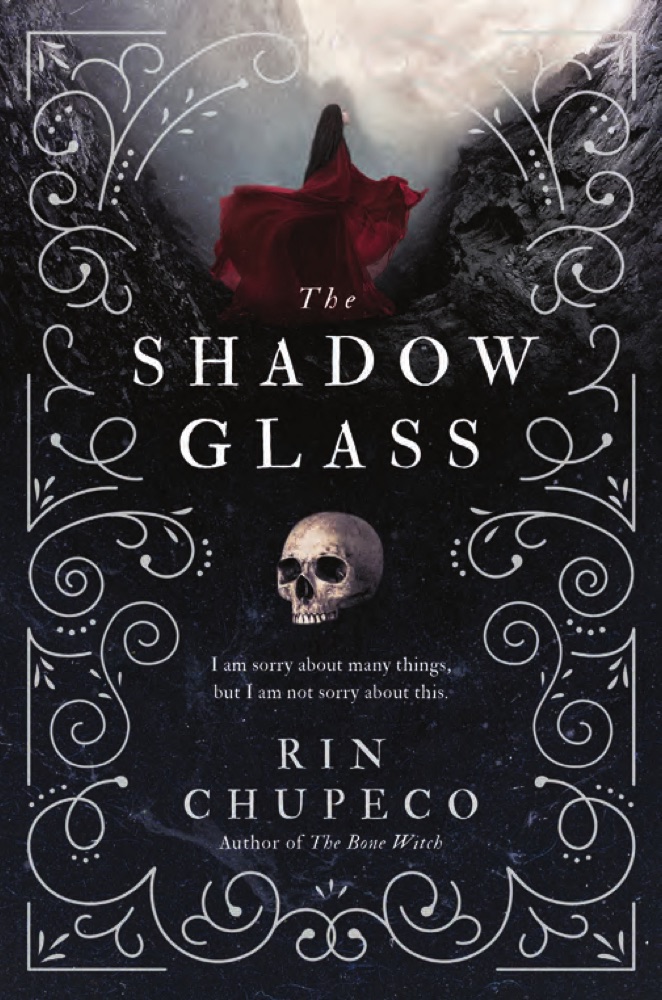 The Shadowglass
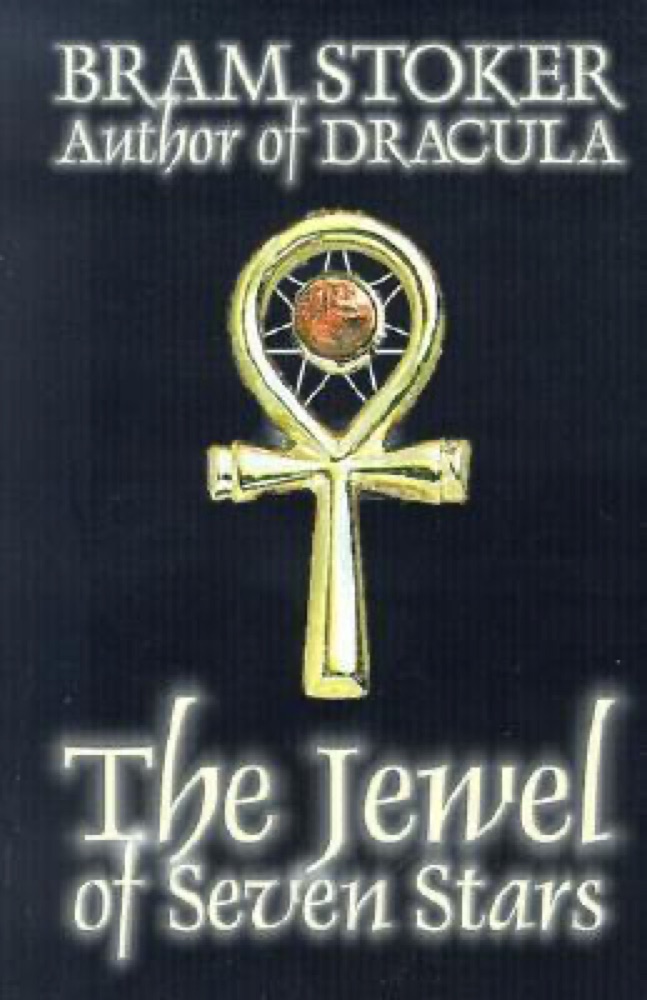 The Jewel of Seven Stars
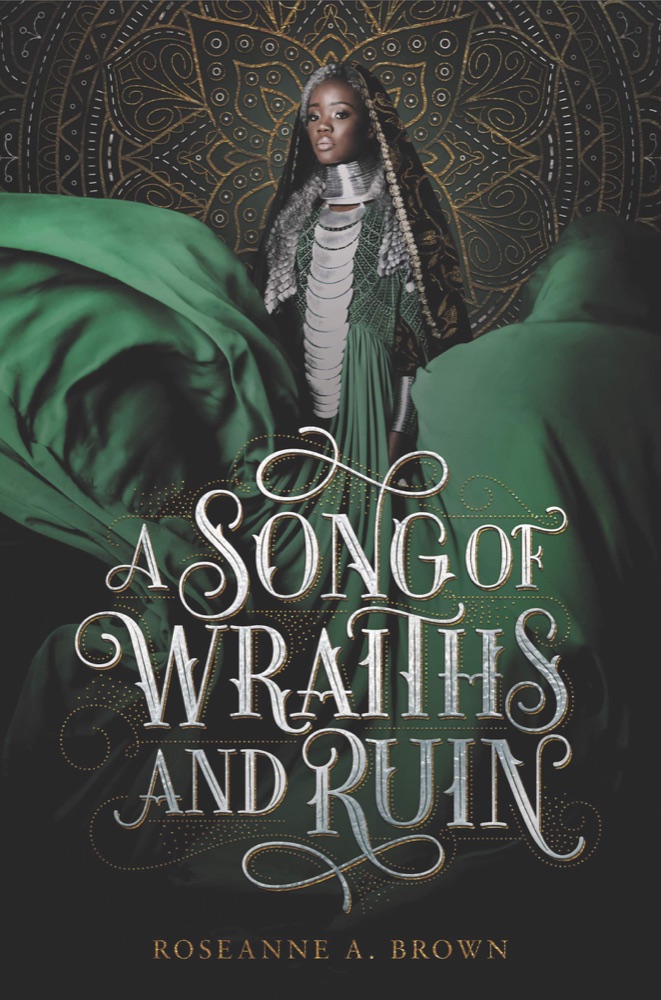 A Song of Wraiths and Ruin
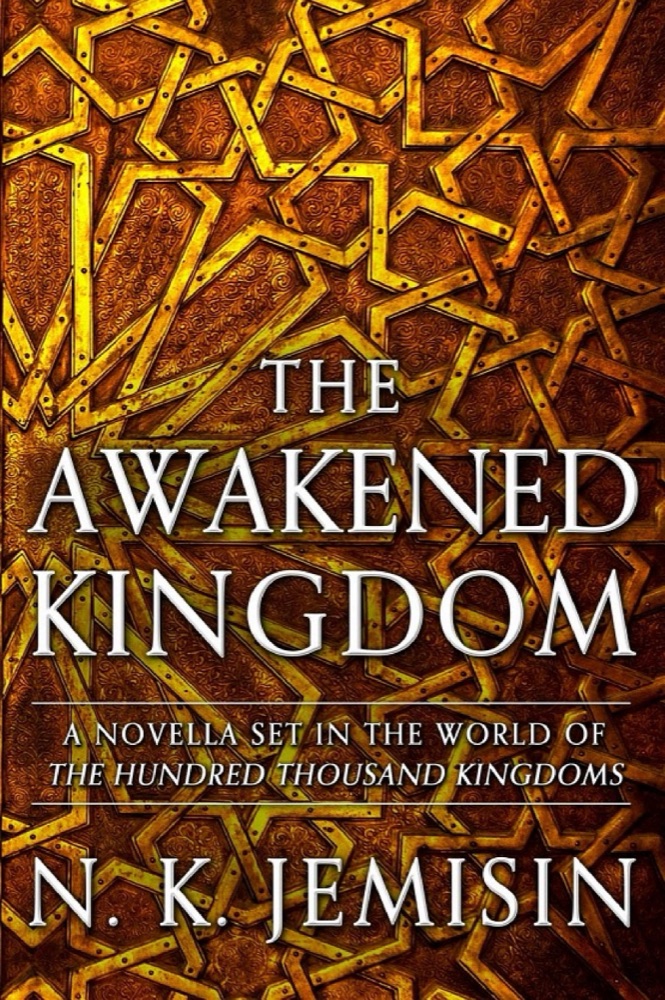 The Awakened Kingdom
 Marrow
 The Serpent King
 The Grace Year
 The Bone Witch
 A Curse So Dark and Lonely
 Labyrinth Lost
 Grayson's Vow
 Lore
Lore
 Chain of Thorns
 Memoirs of a Geisha
 VenCo
VenCo
 Waterfall
 The Fifth Season
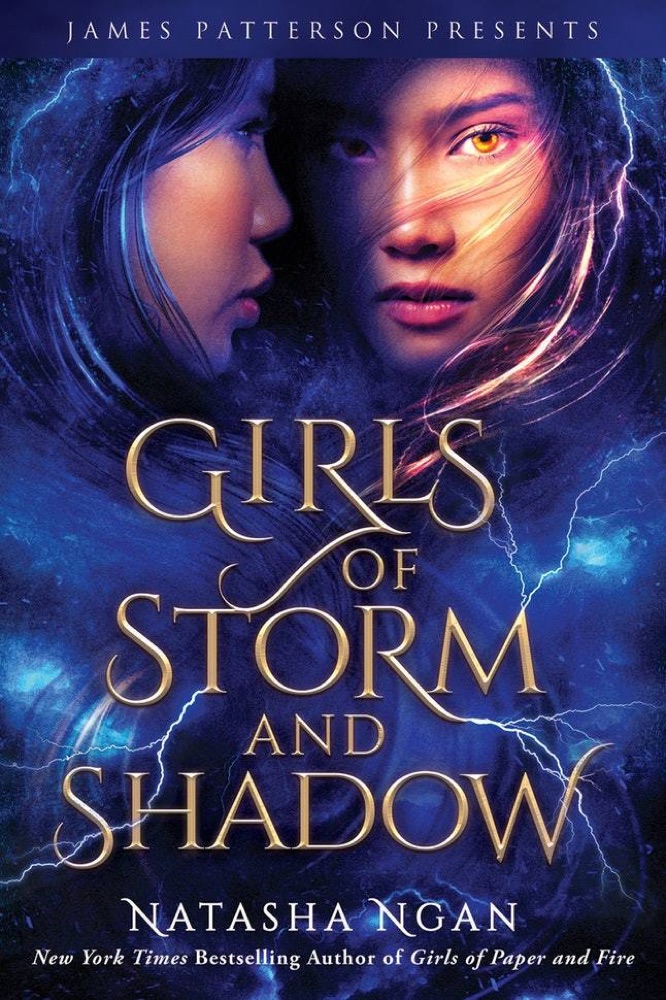 Girls of Storm and Shadow
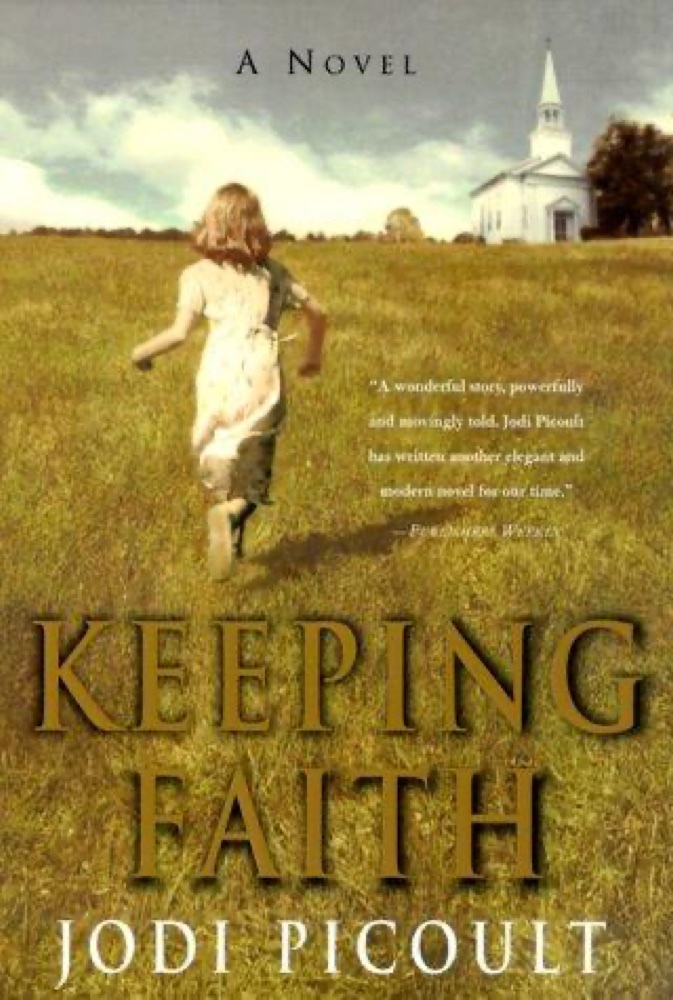 Keeping Faith
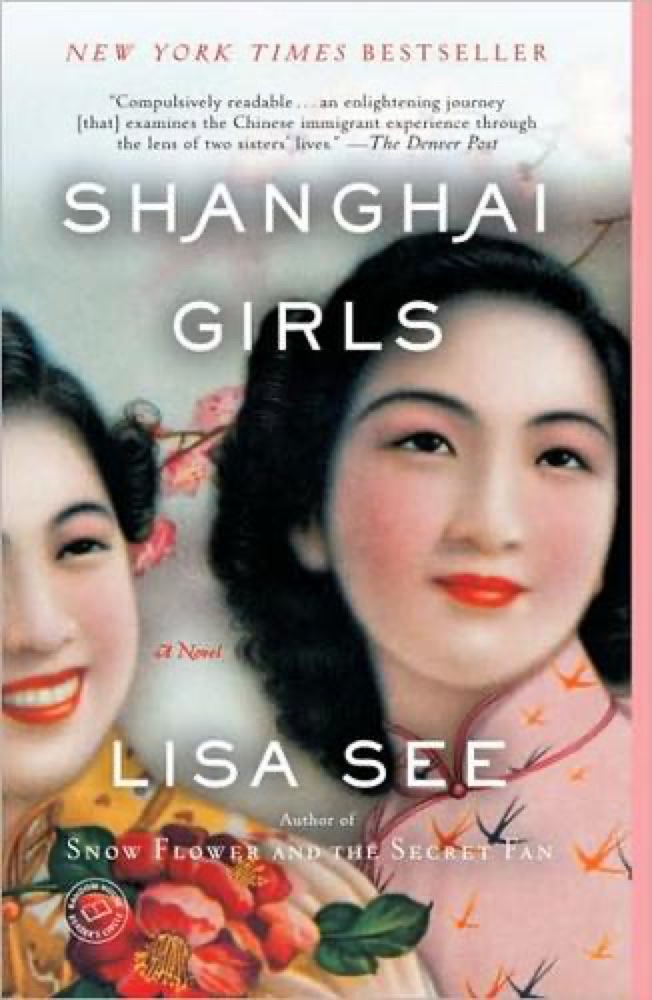 Shanghai Girls
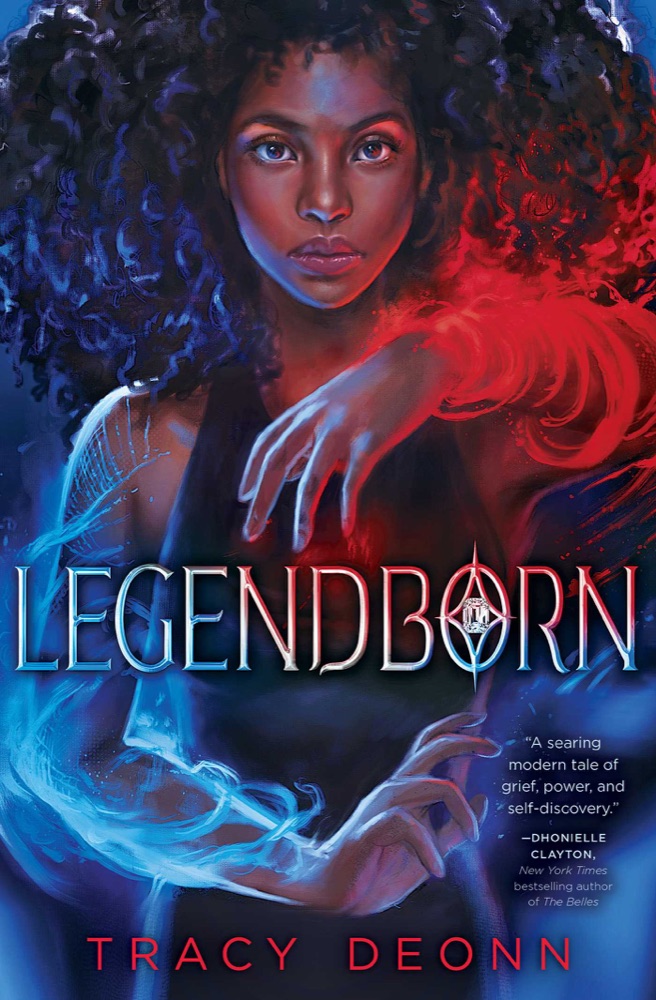 Legendborn
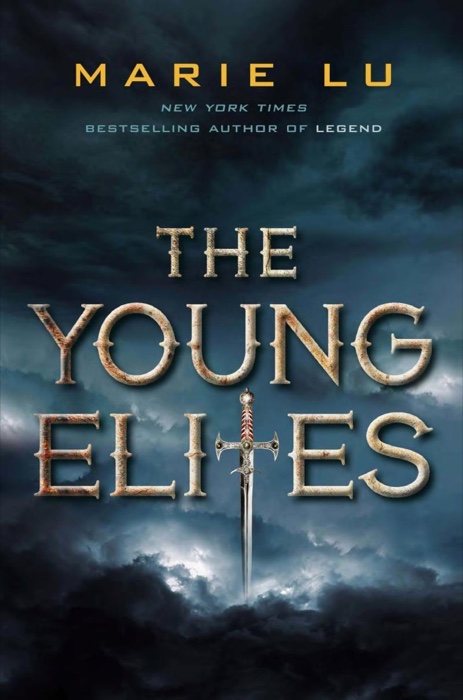 The Young Elites
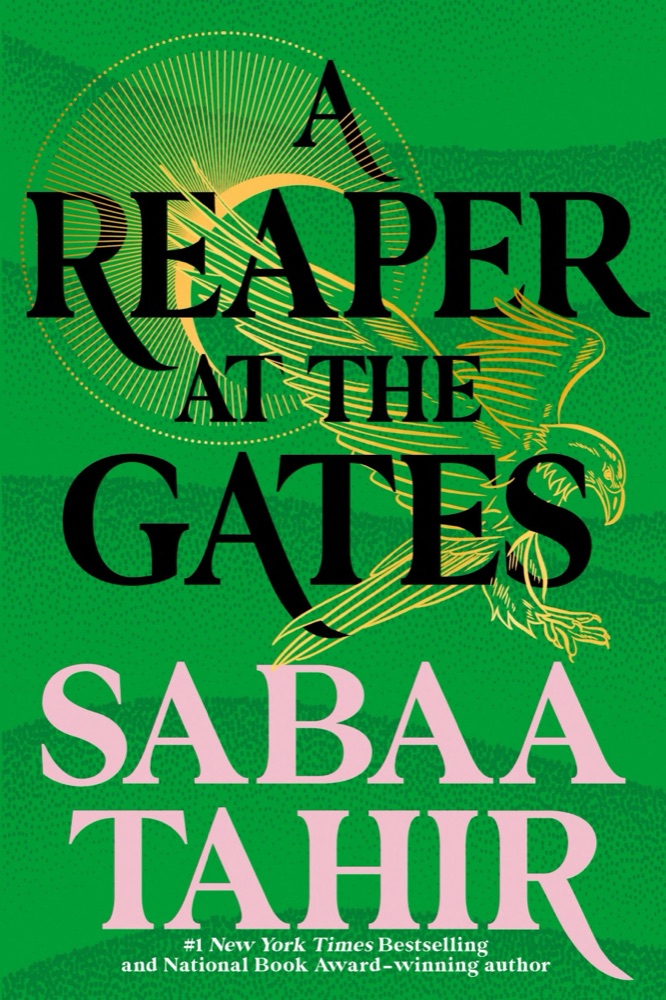 A Reaper at the Gates
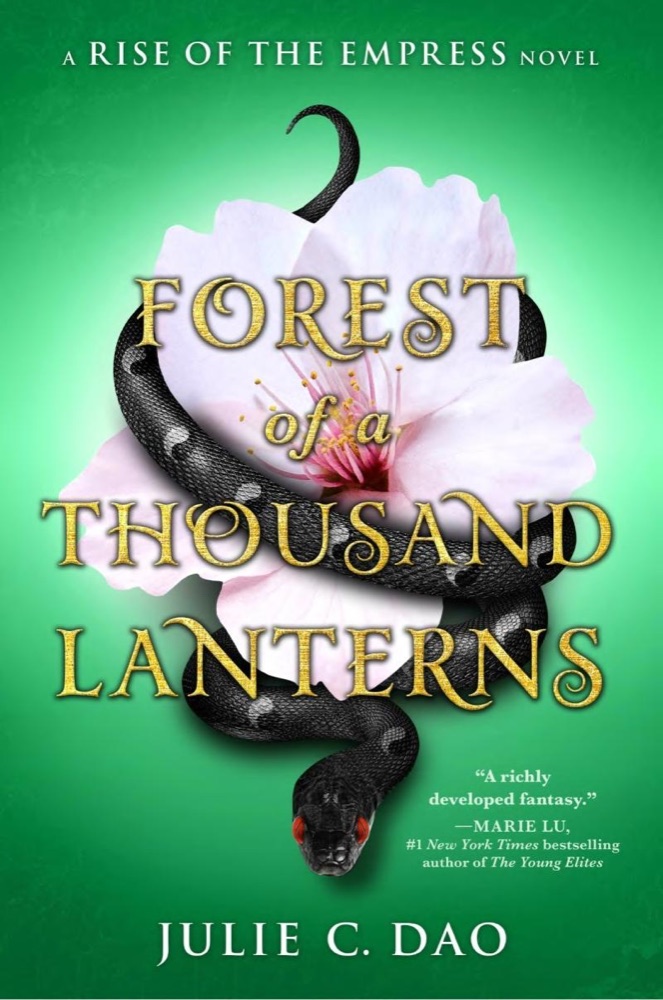 Forest of a Thousand Lanterns
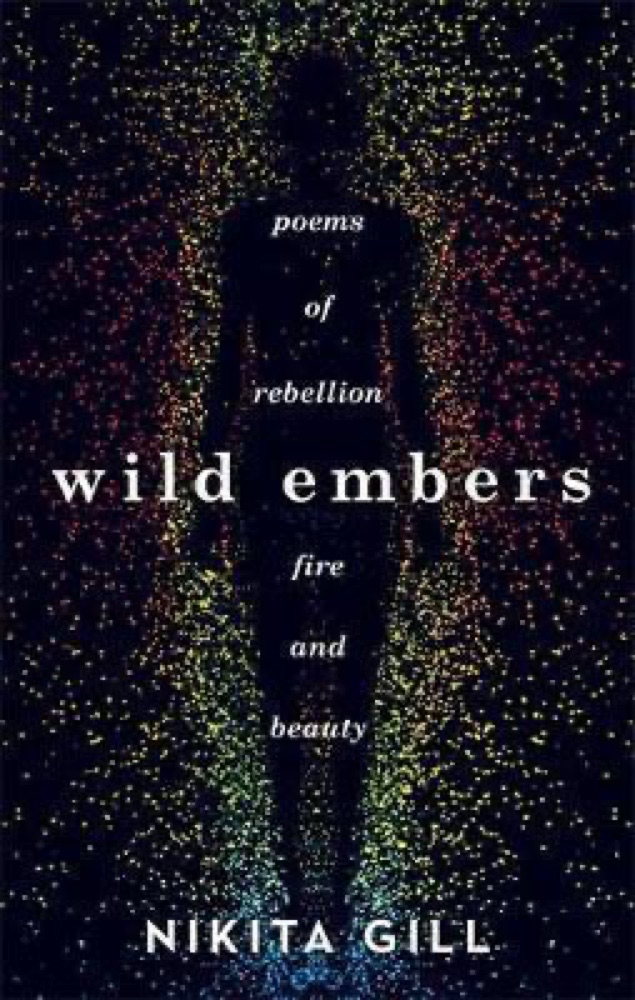 Wild Embers: Poems of Rebellion, Fire and Beauty
 My Mother's Secret
 The Witch of Portobello
 Eona: The Last Dragoneye
 A Darkness At Sethanon
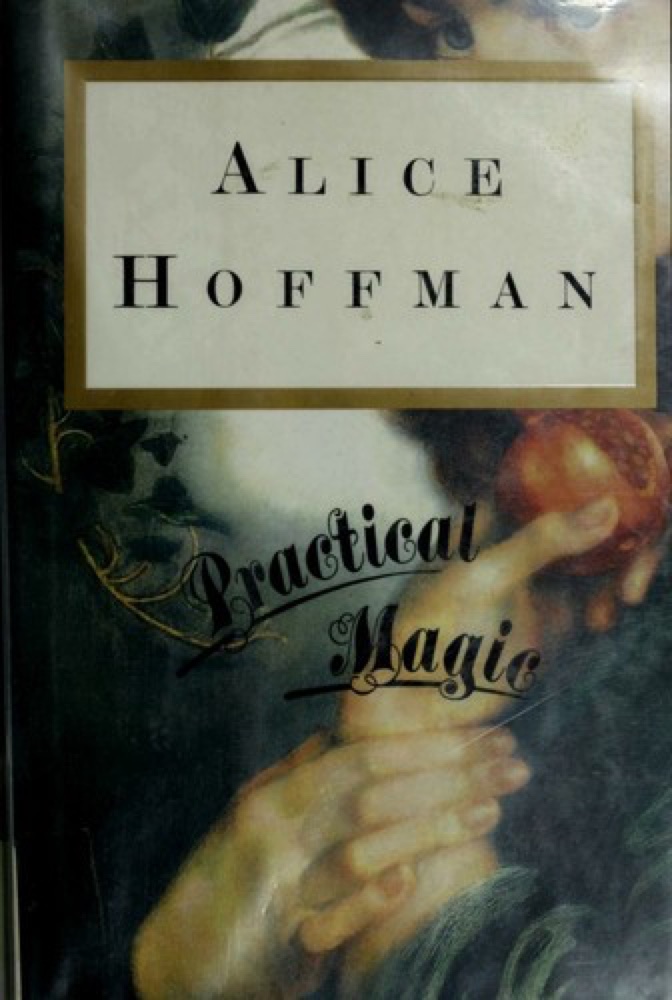 Practical Magic
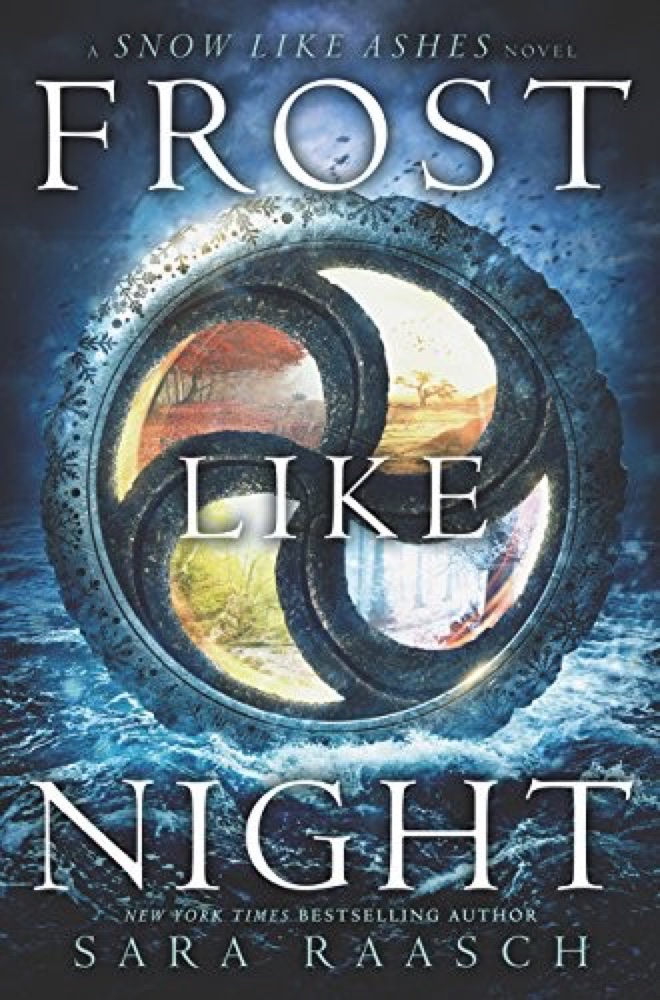 Frost Like Night
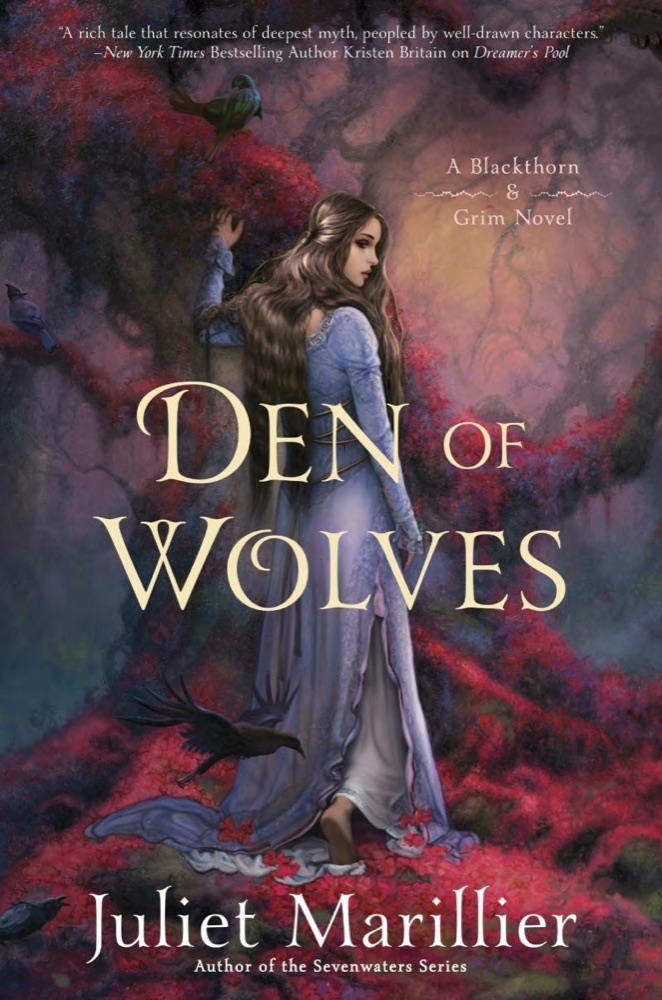 Den of Wolves
 Everything Beautiful Began After
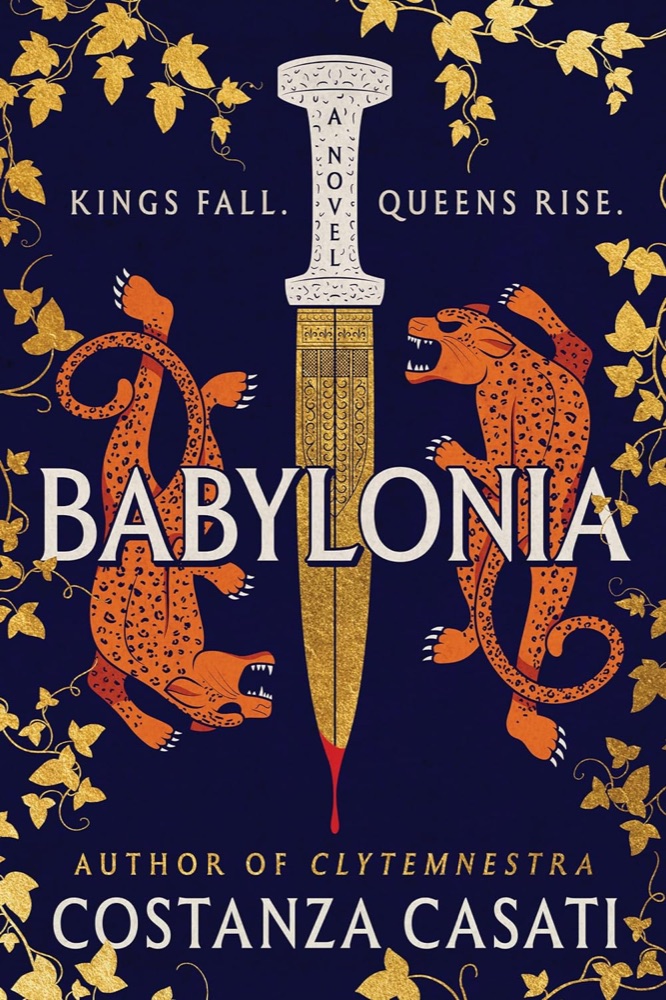 Babylonia
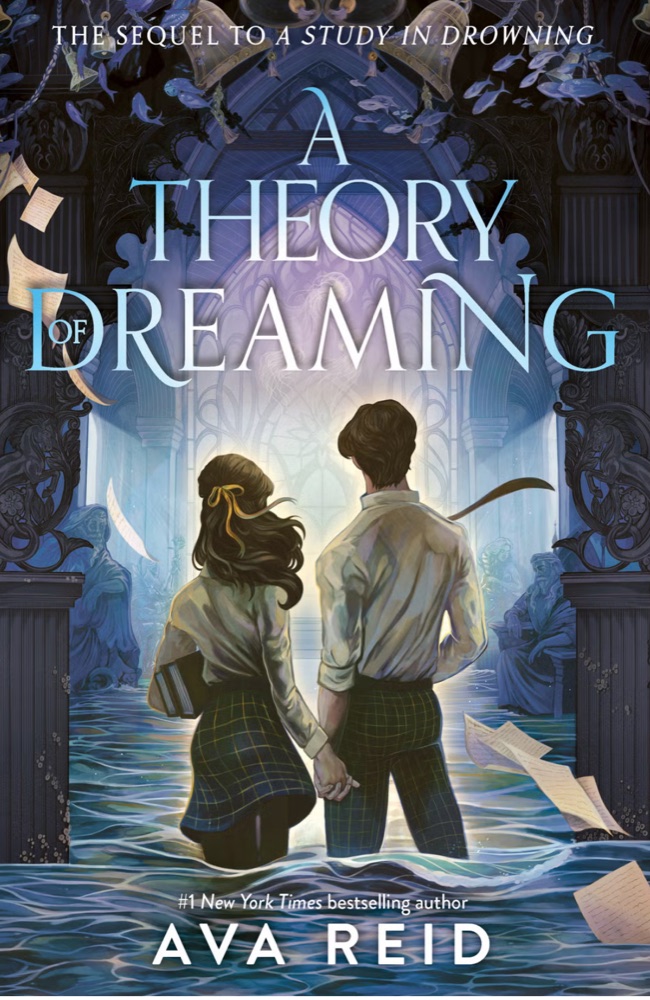 A Theory of Dreaming
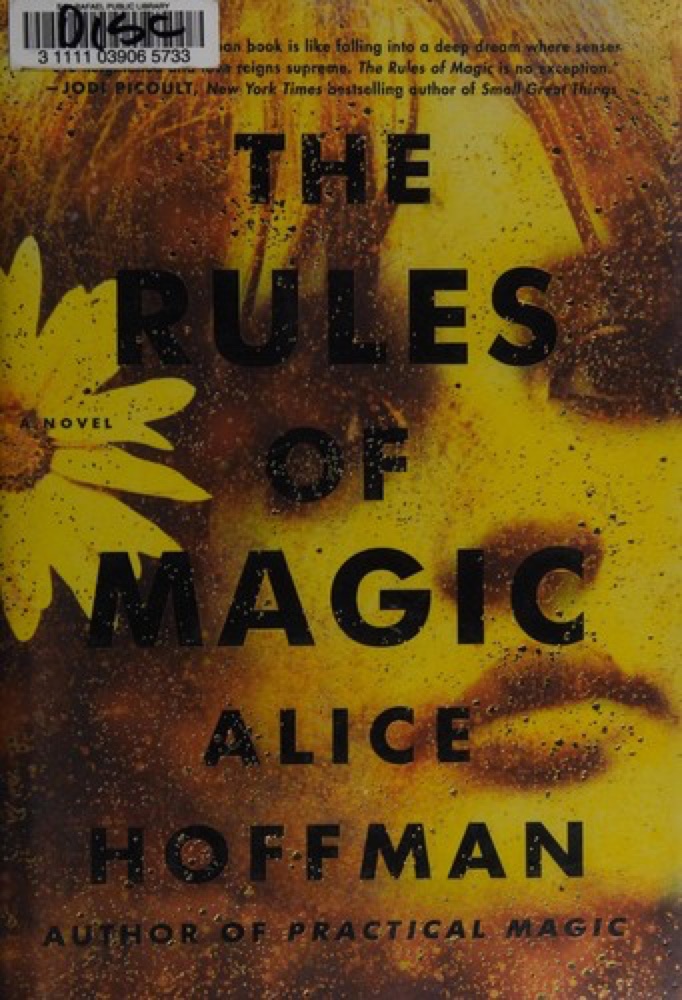 The Rules of Magic
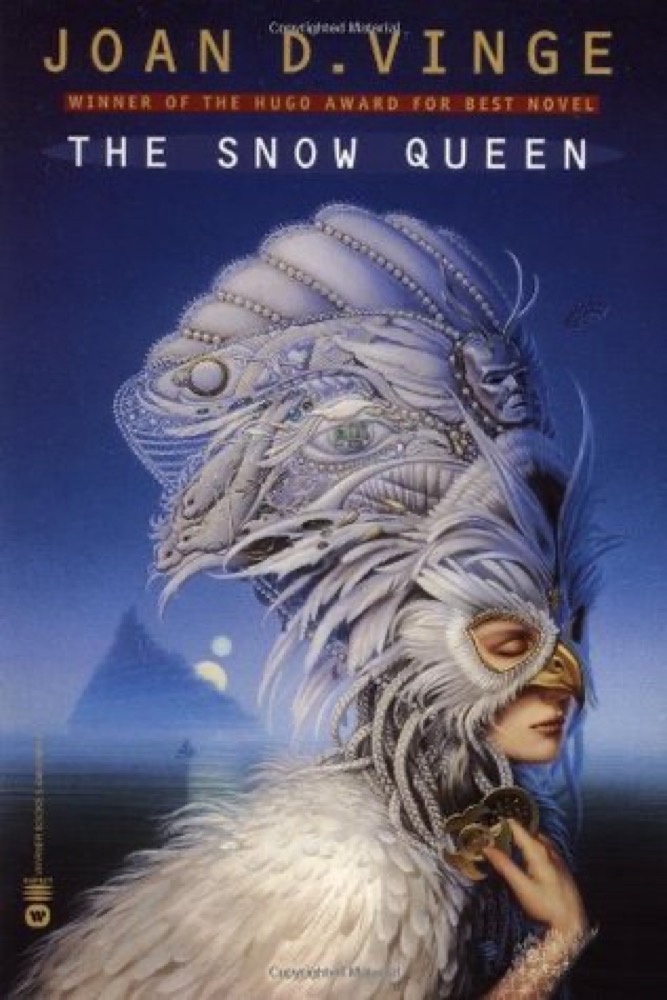 The Snow Queen
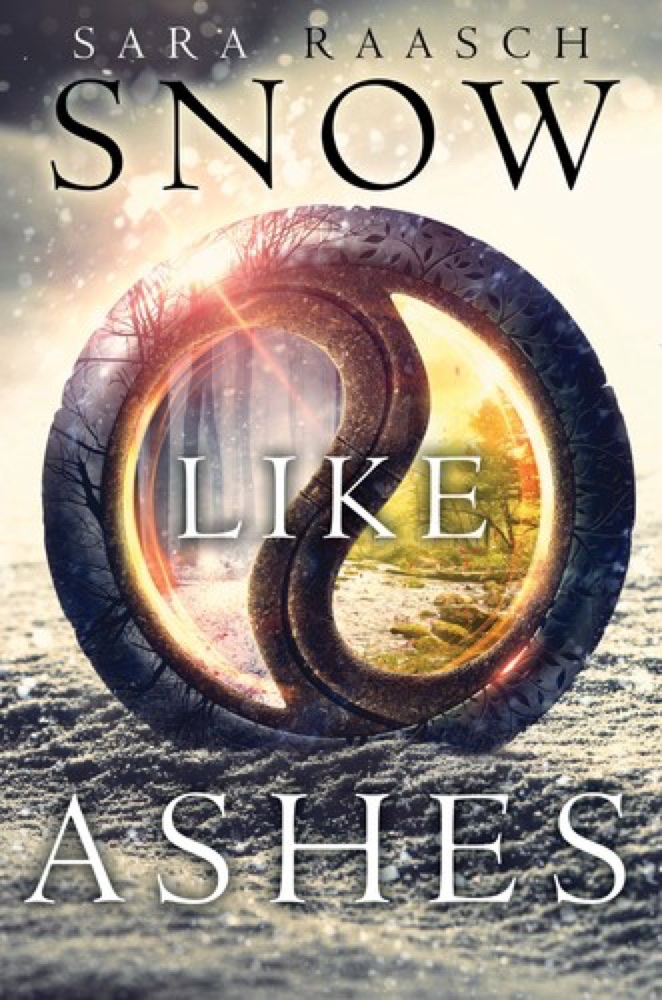 Snow Like Ashes
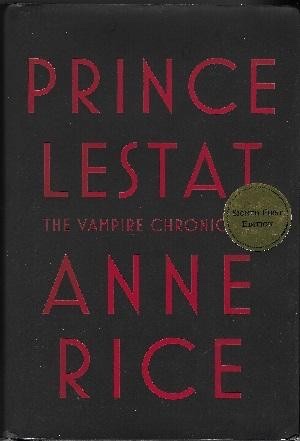 Prince Lestat
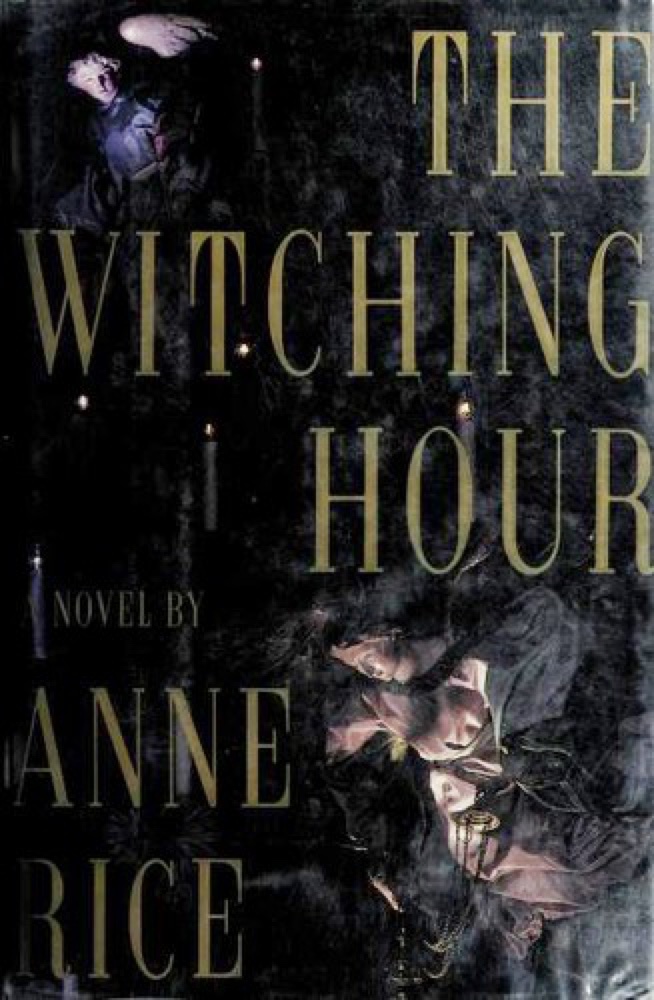 The Witching Hour
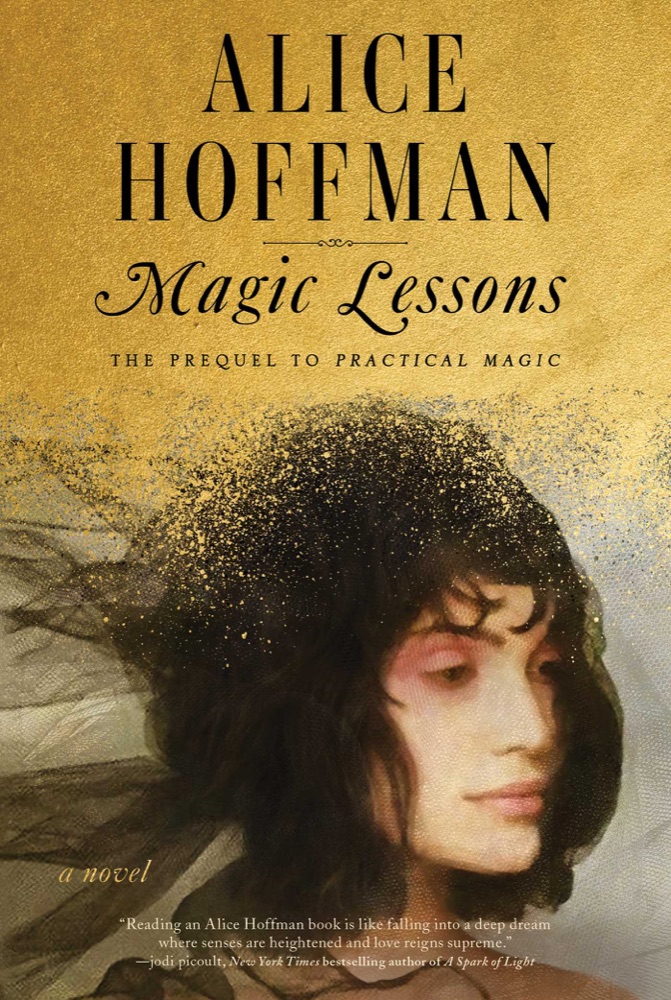 Magic Lessons
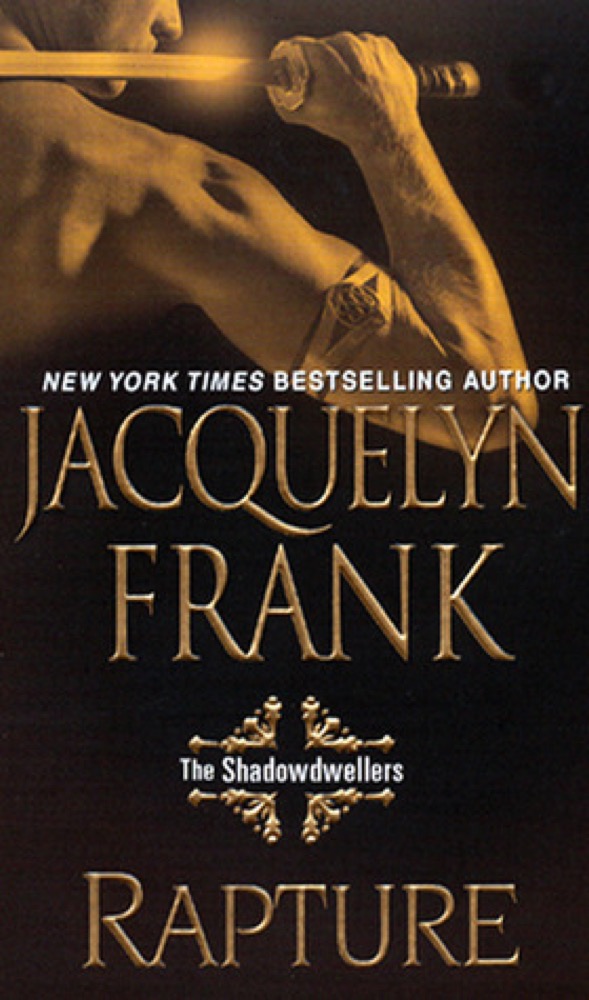 Rapture
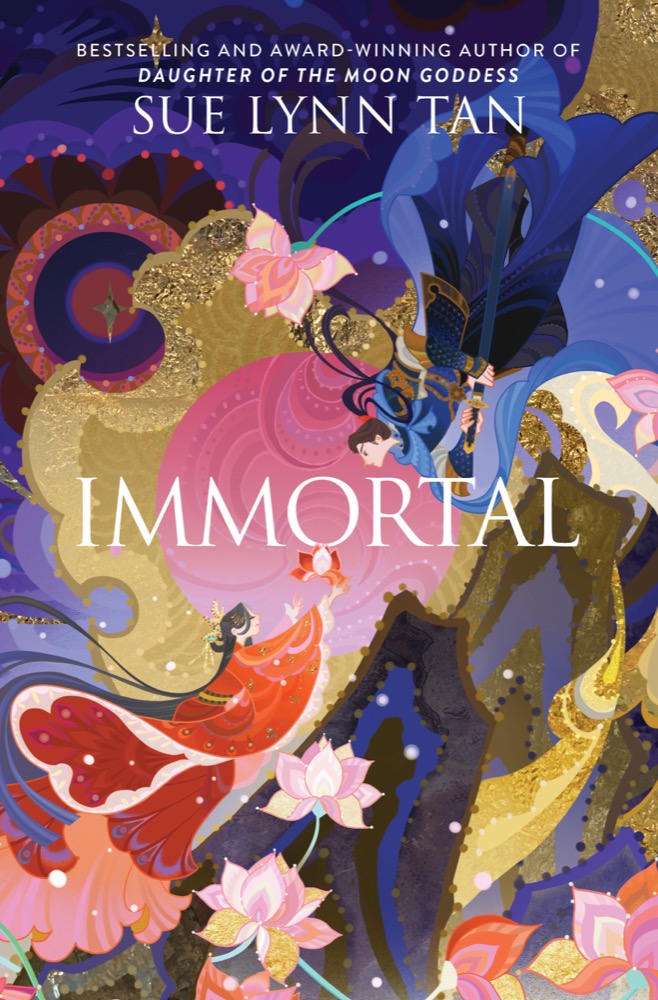 Immortal
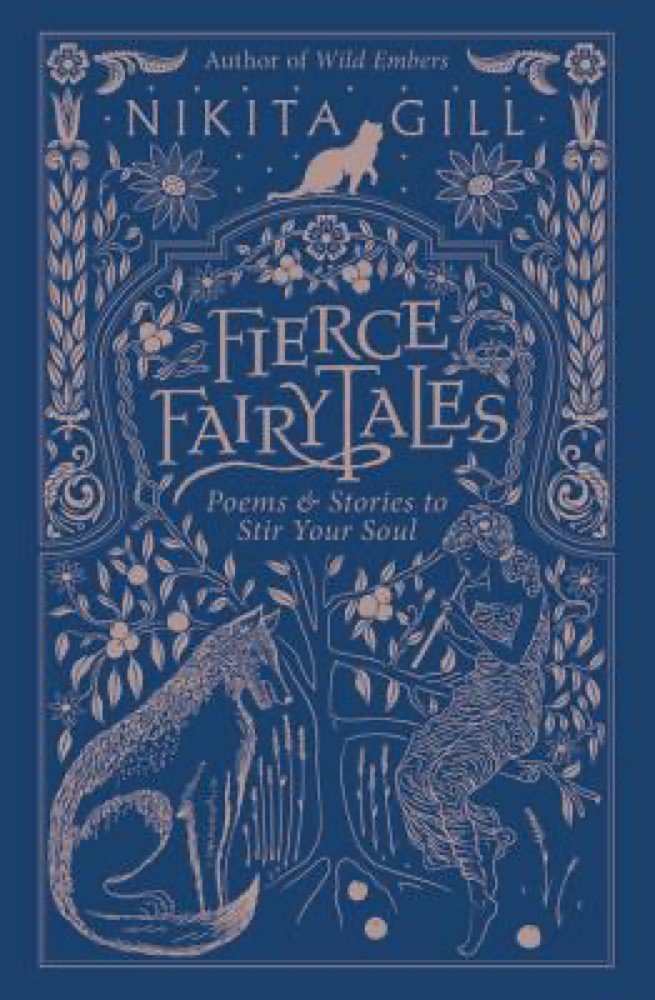 Fierce Fairytales: Poems and Stories to Stir Your Soul
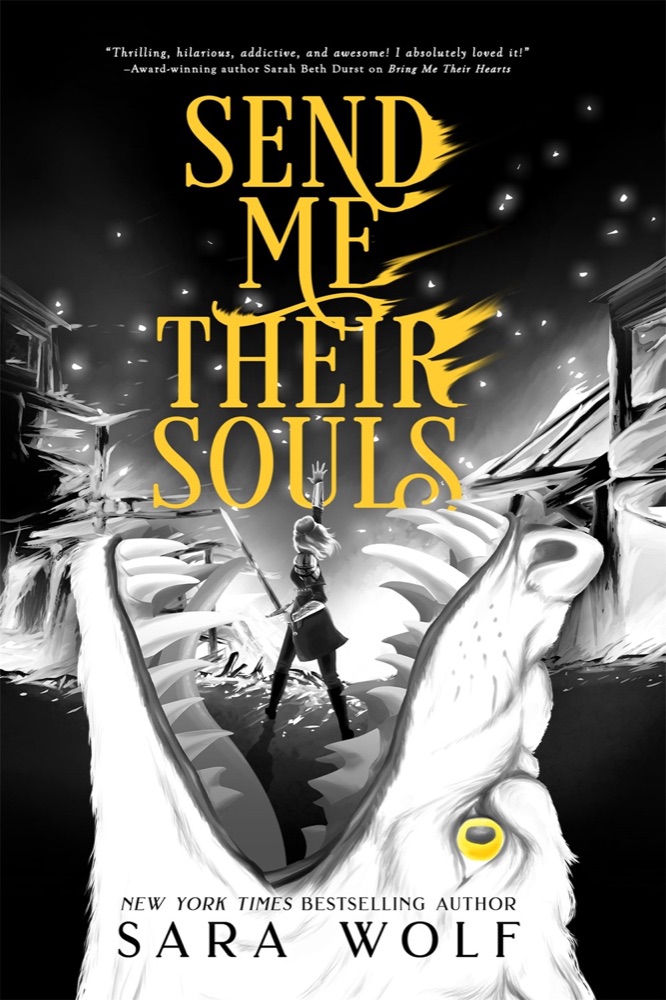 Send Me Their Souls
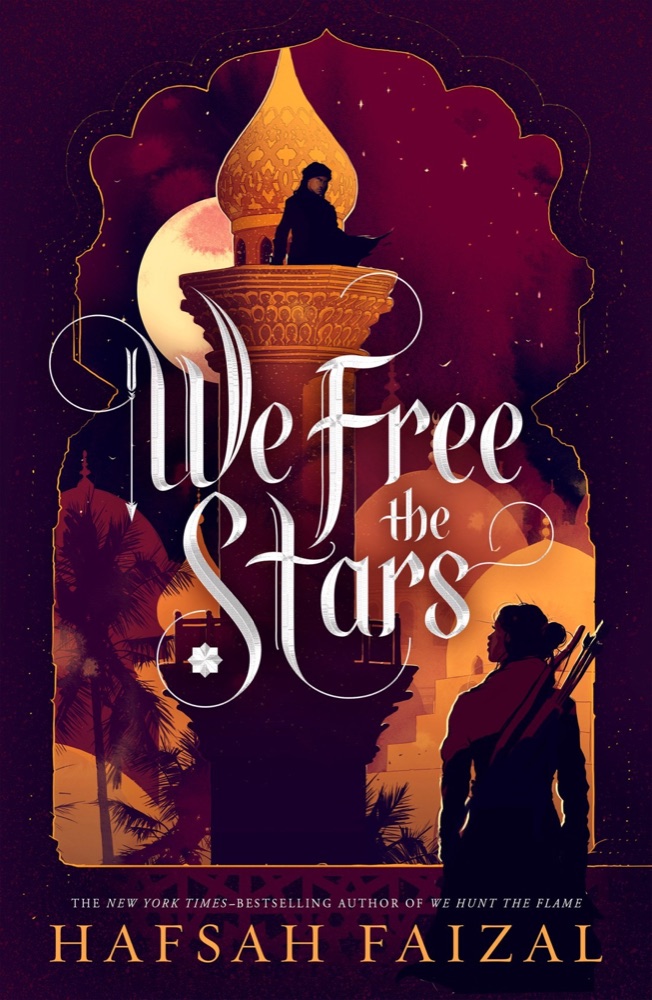 We Free the Stars
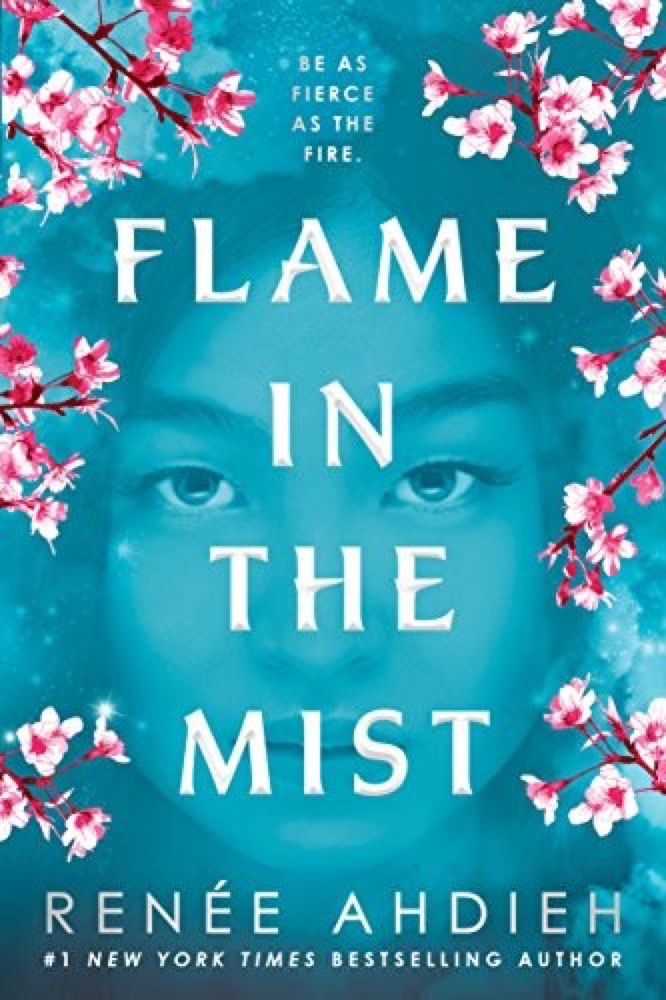 Flame in the Mist
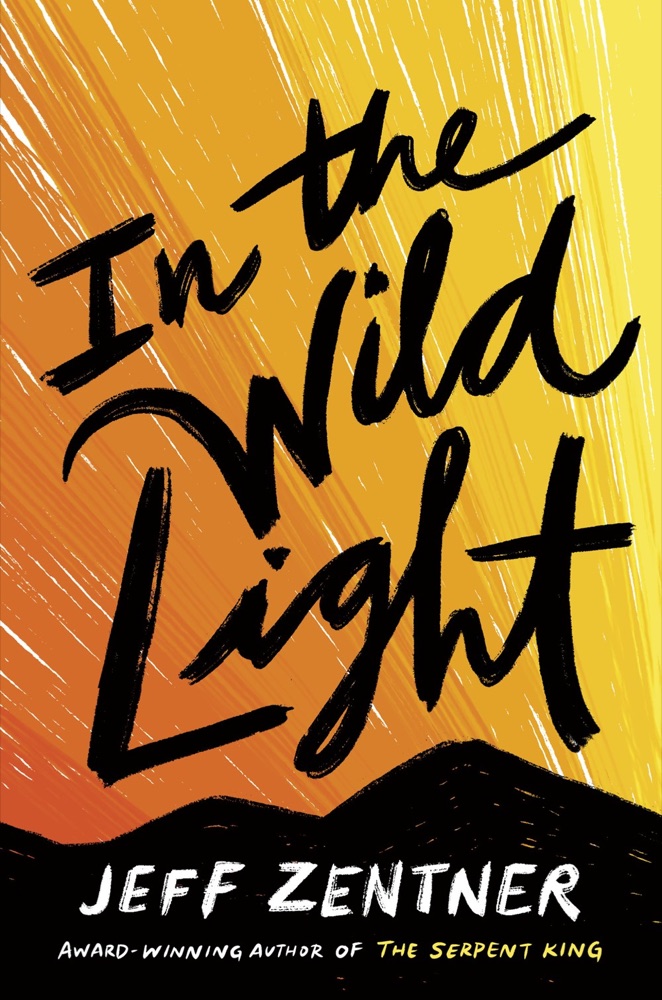 In the Wild Light
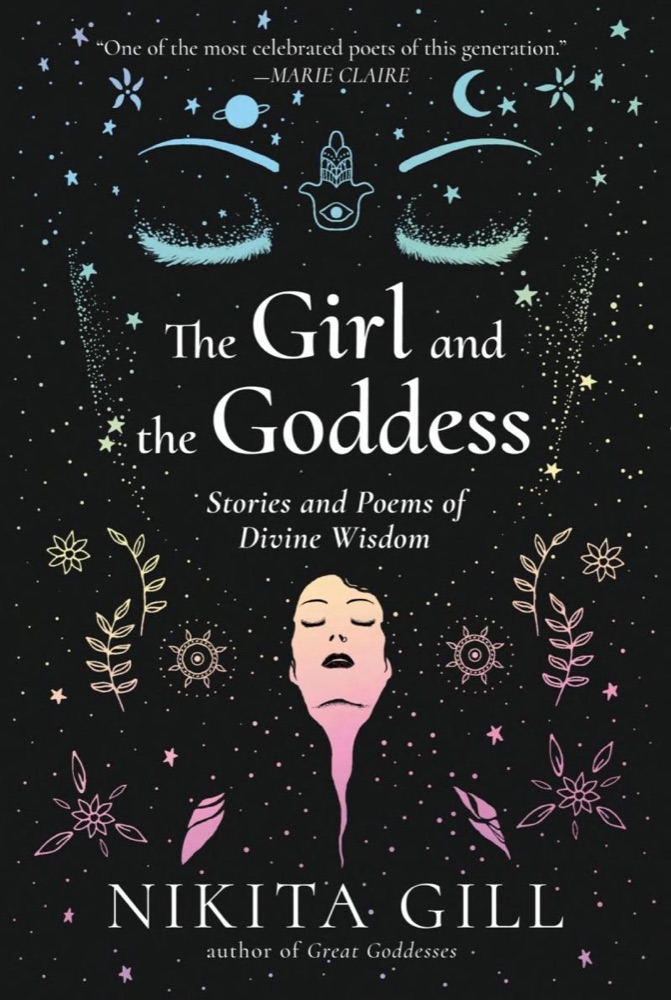 The Girl and the Goddess: Stories and Poems of Divine Wisdom
 The Nightingale
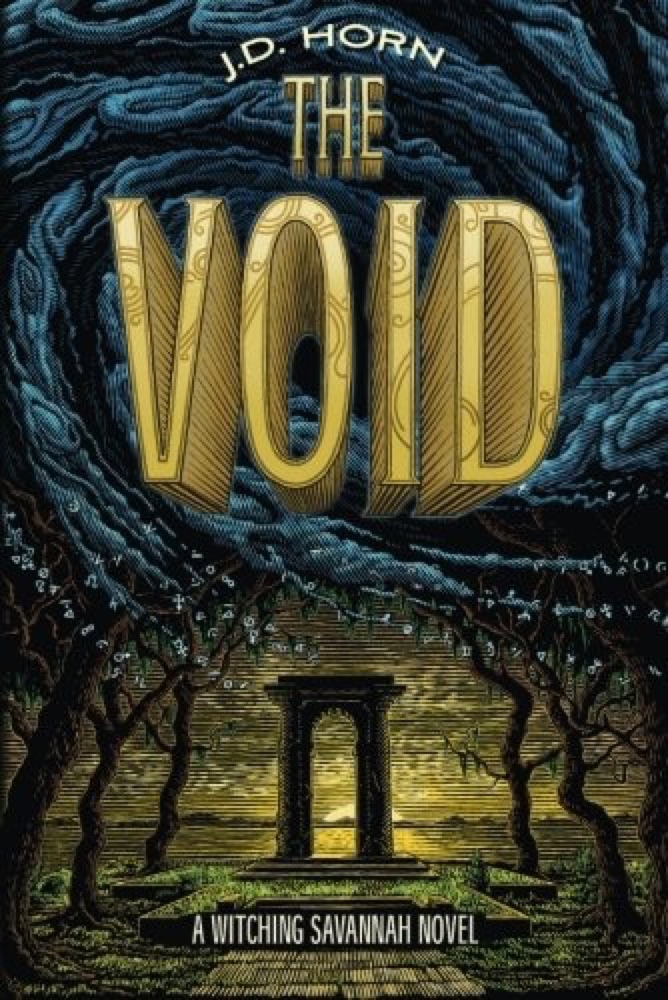 The Void
 Just as I Am
 Speaking Bones
 Orphan Train
 Sunbringer
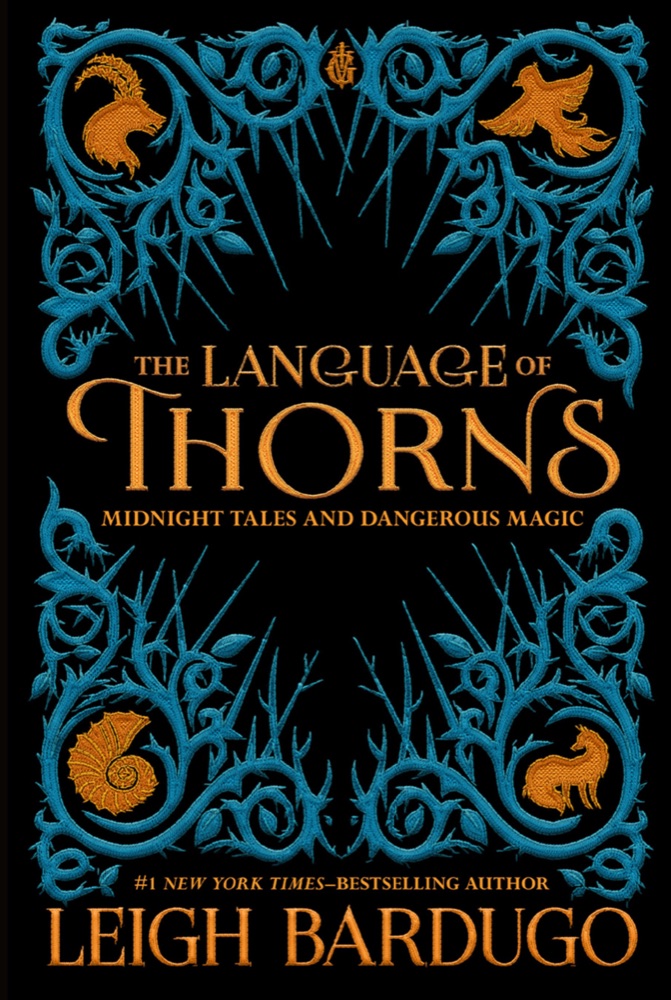 The Language of Thorns: Midnight Tales and Dangerous Magic