
 Tara Road
Quotes from the Book
How will I explain it all … to everybody?” “You know, people don’t have to explain things nearly as much as you think they do.
It’s a funny old world. Once you realize that, you’re halfway there.
Her life was like her house—a colorful fantasy where anything was possible if you wanted it badly enough.
a piper from the area called John Paul. Of course he did. Everyone knew
Winnie’s silver-and-black jacket might be too dressy. She wore a
Watch on YouTube
About Maeve Binchy
We have collected 38 quotes from 5 books by Maeve Binchy on BookQuoters.
More about the author →More by Maeve Binchy


Book details
- Author
- Maeve Binchy
- Genre
- Fiction
- Goodreads rating
- 3.88 (62k ratings) →
Keep reading
 Little Fires Everywhere
 Just Breathe
 Early Riser
 NOS4A2
 Main Street
 Summer Darlings
 Out of Oz
 Amy Snow
 The Glass Castle
 Equal Rites
 Little, Big
 The Complete Saki
 The Garden Party and Other Stories
 Mary Poppins
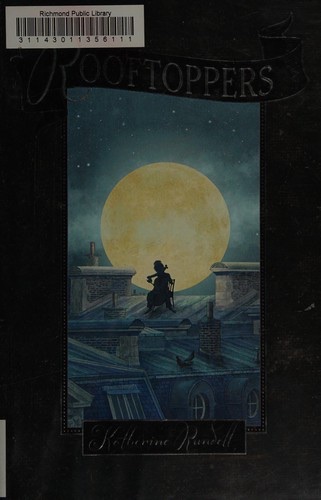 Rooftoppers
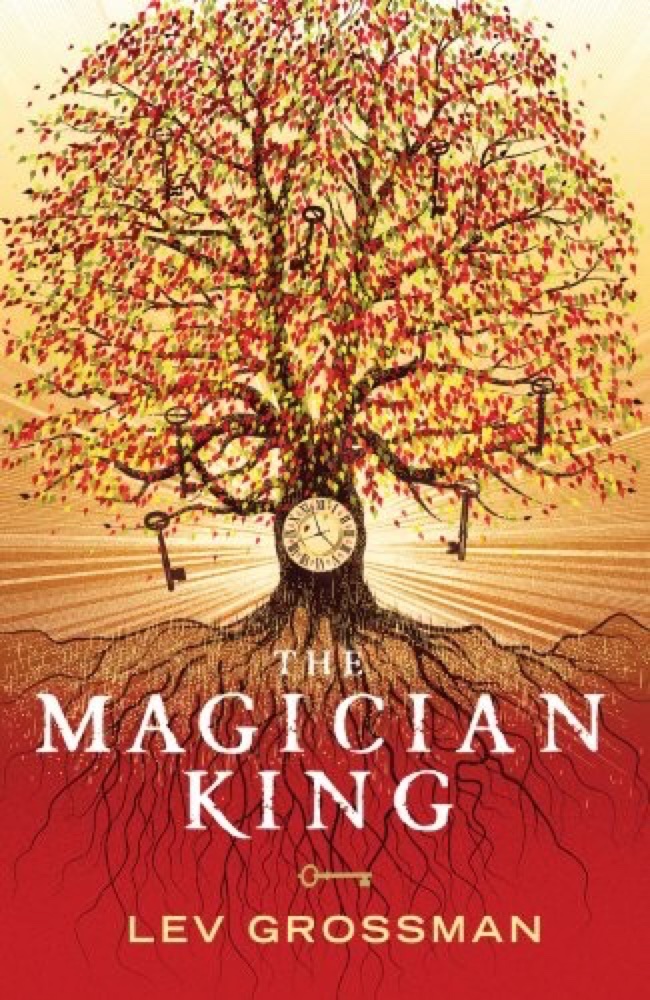 The Magician King
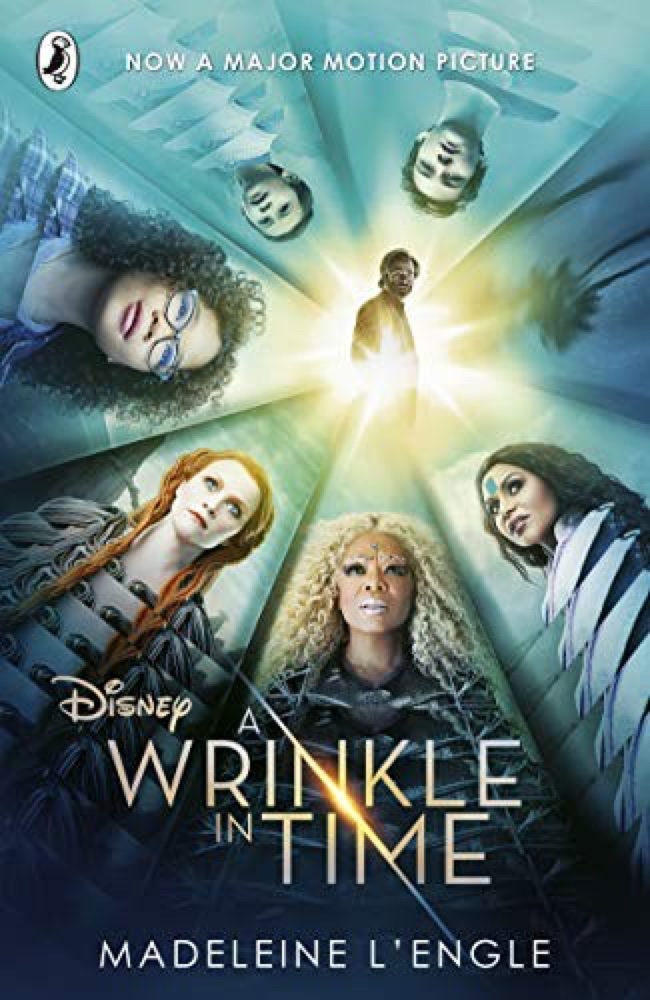 A Wrinkle in Time
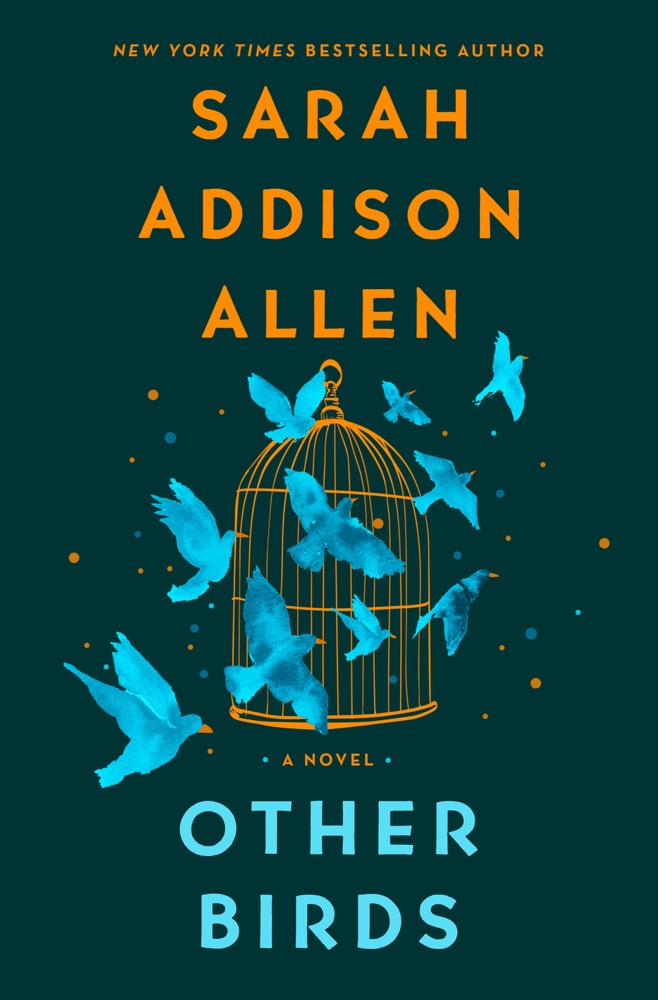 Other Birds
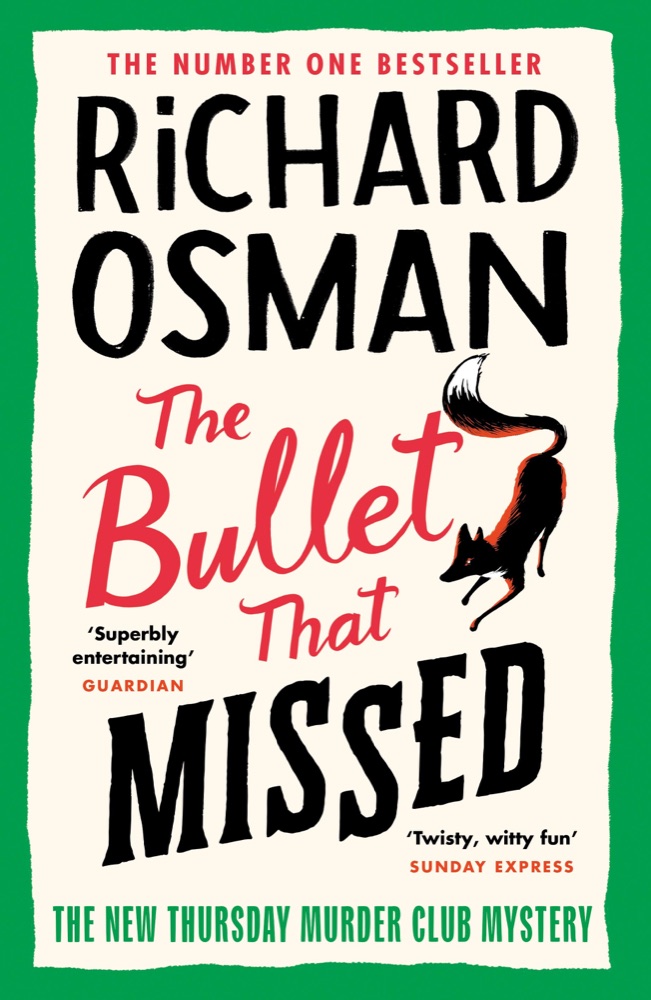 The Bullet That Missed
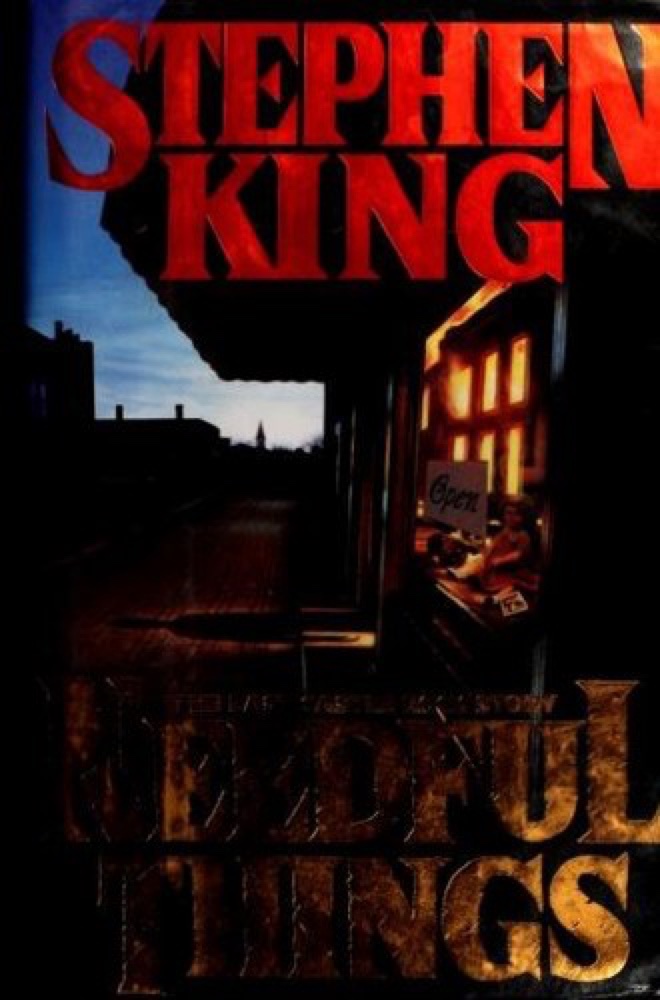 Needful Things
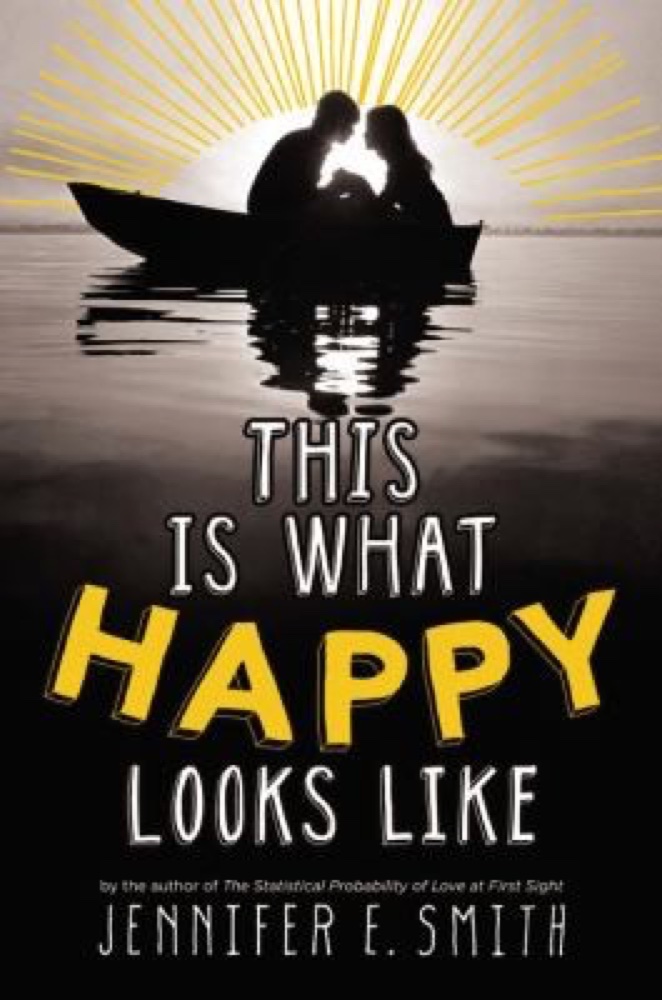 This Is What Happy Looks Like
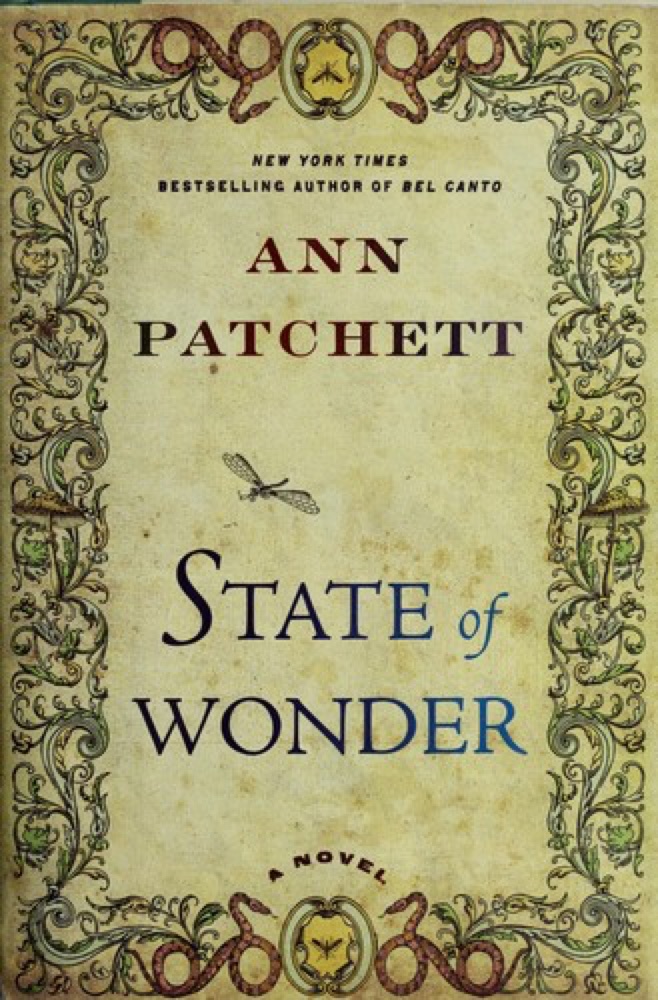 State of Wonder
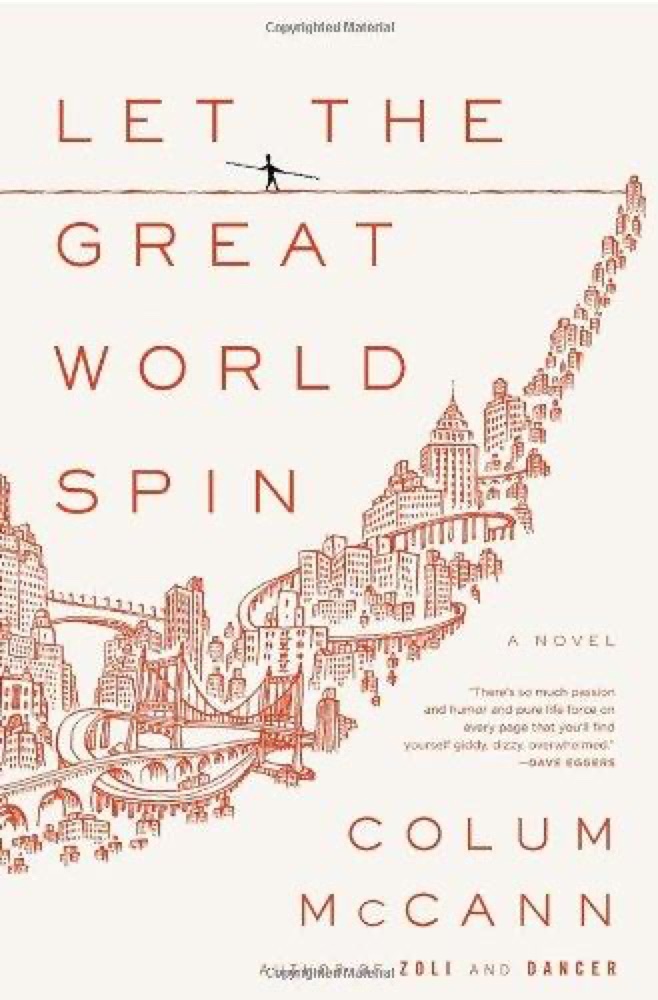 Let the Great World Spin
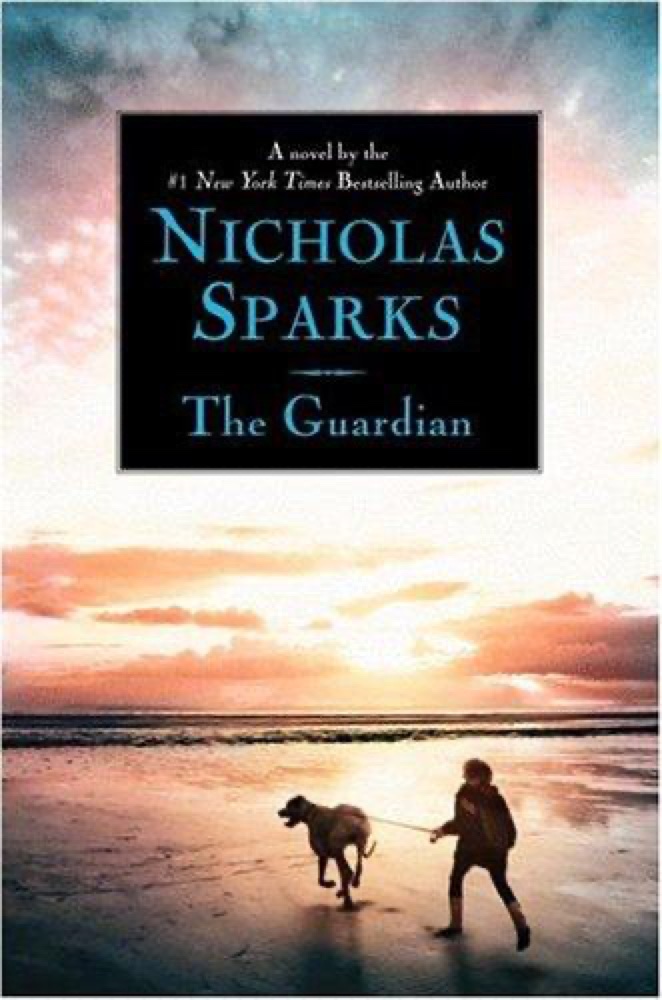 The Guardian
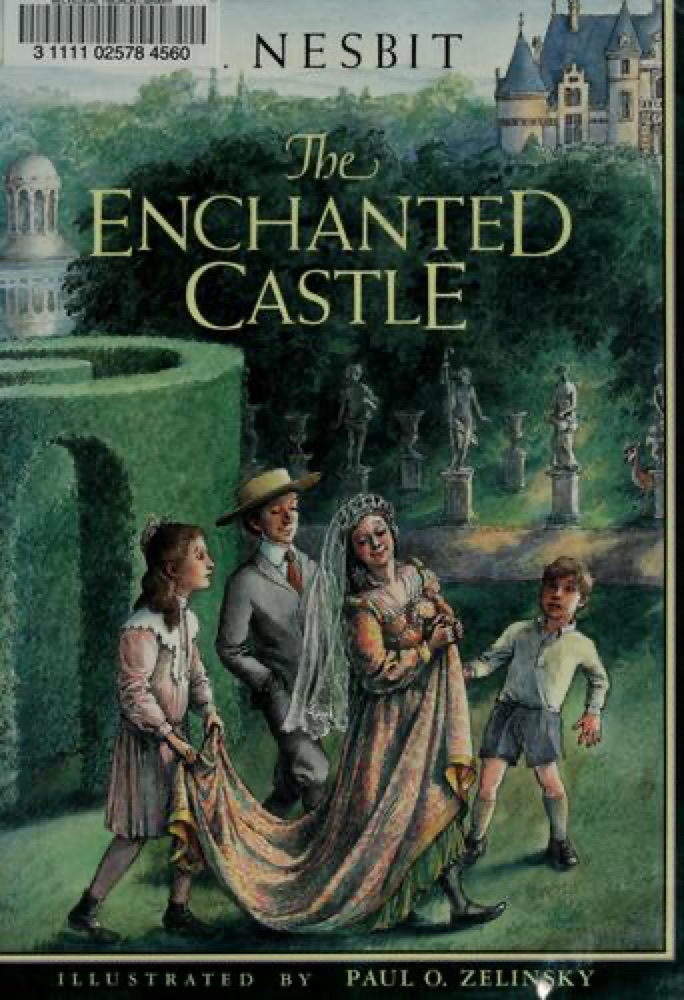 The Enchanted Castle
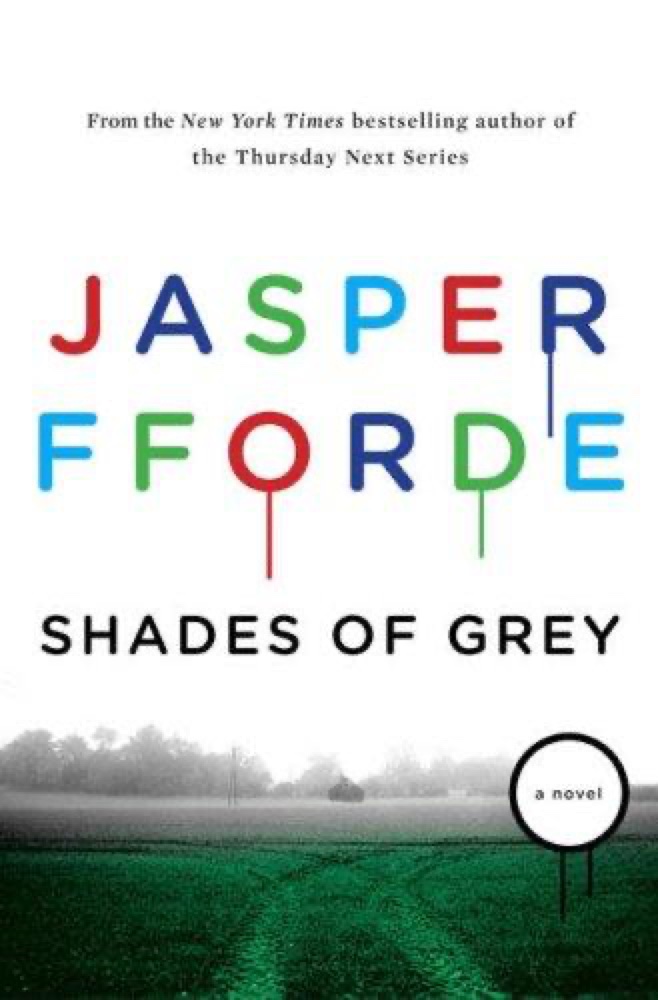 Shades of Grey
 Here on Earth
 Longbourn
 The House of Mirth
 Whistling In the Dark
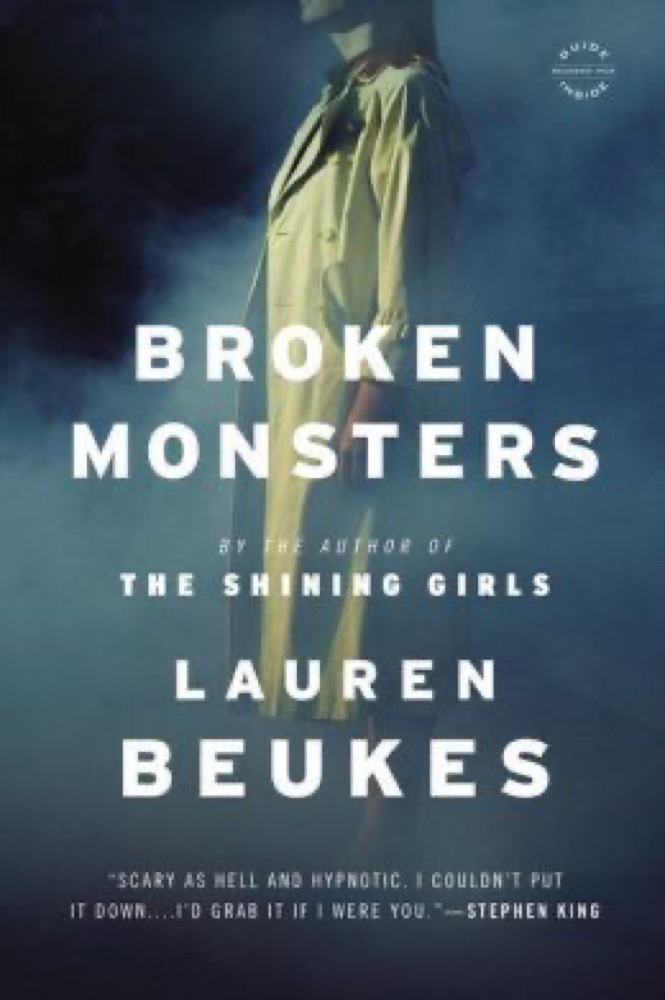 Broken Monsters
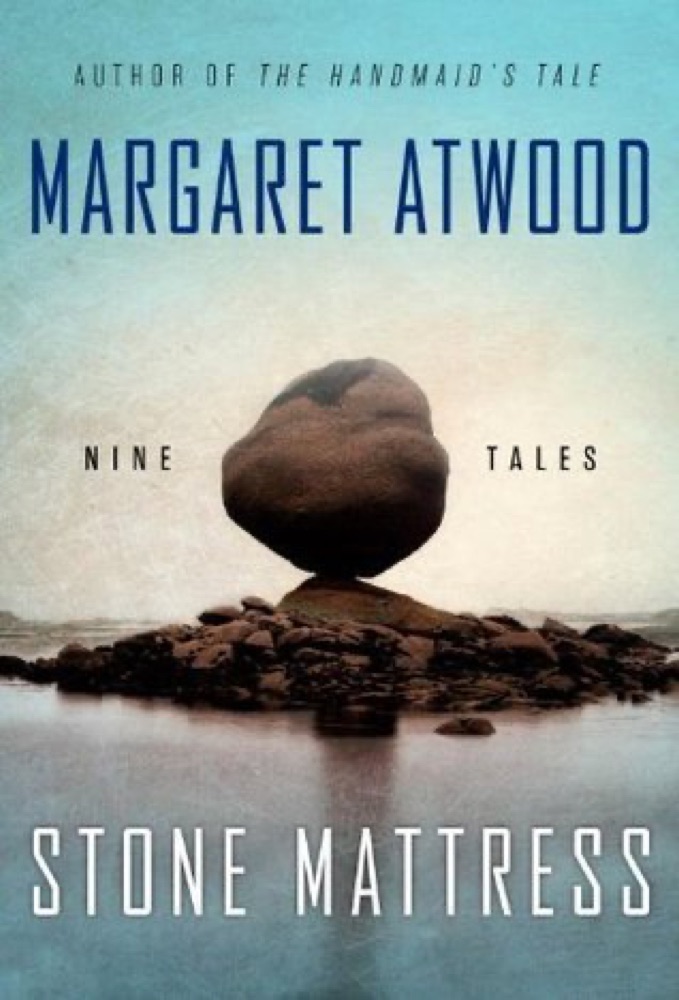 Stone Mattress: Nine Tales
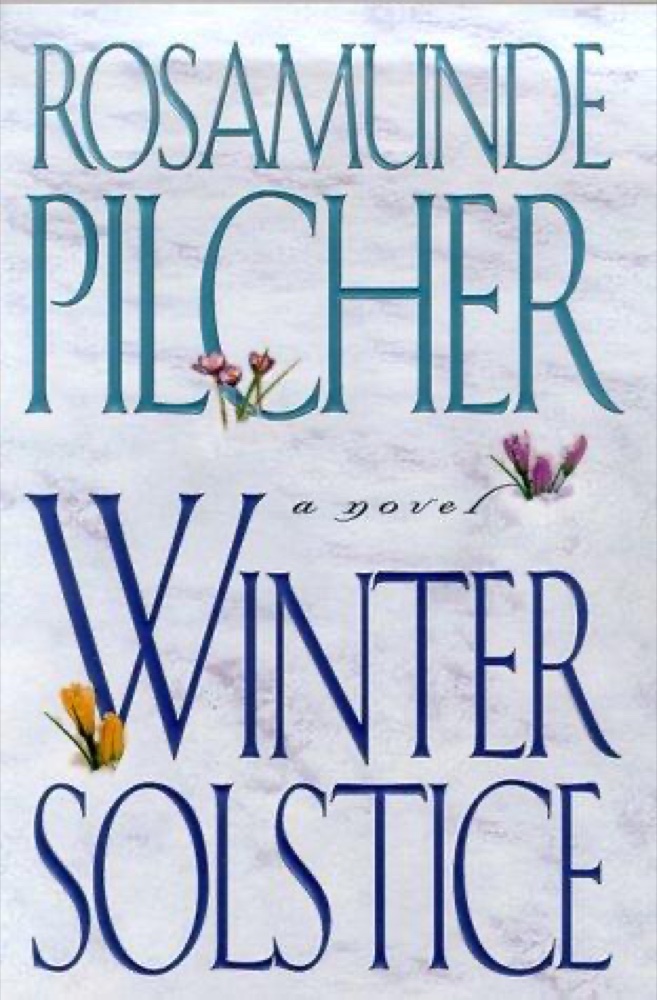 Winter Solstice
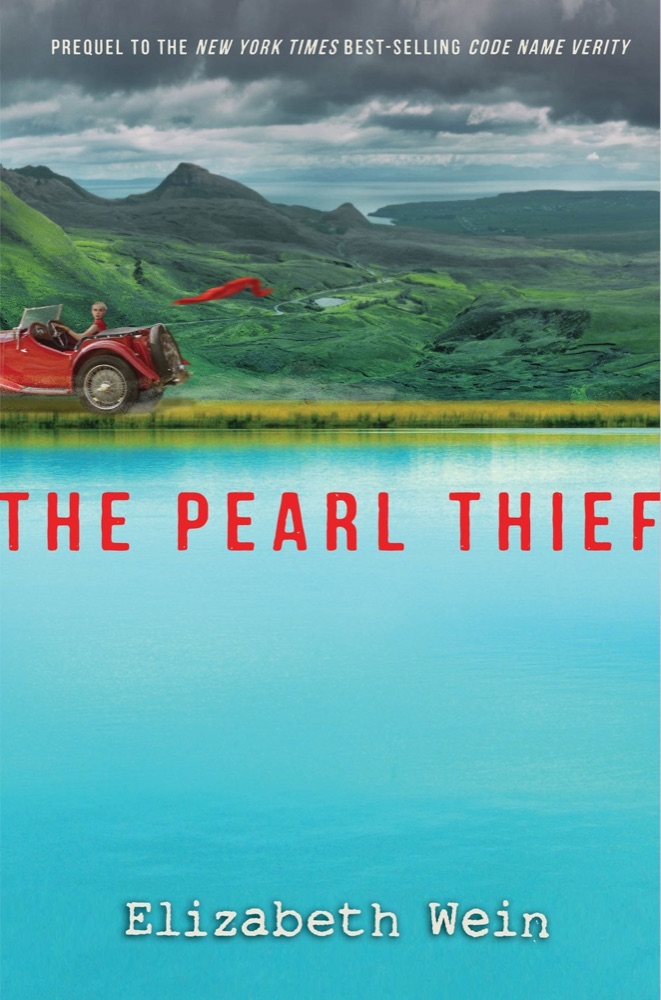 The Pearl Thief
 The Robber Bride
 The Sisterhood of the Traveling Pants
 Keeping the House
 Belgravia
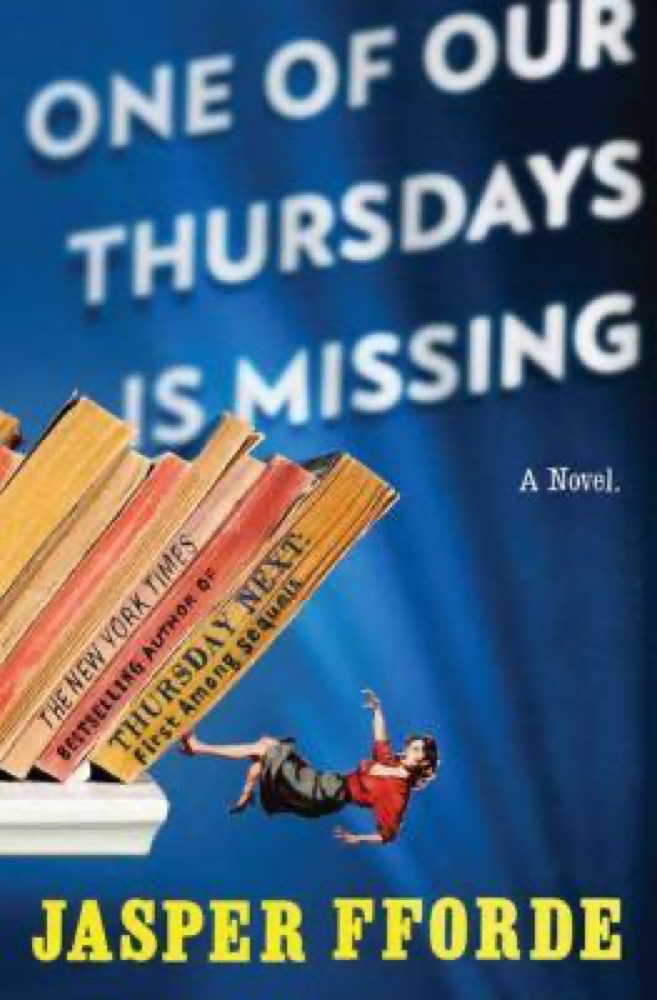 One of Our Thursdays Is Missing
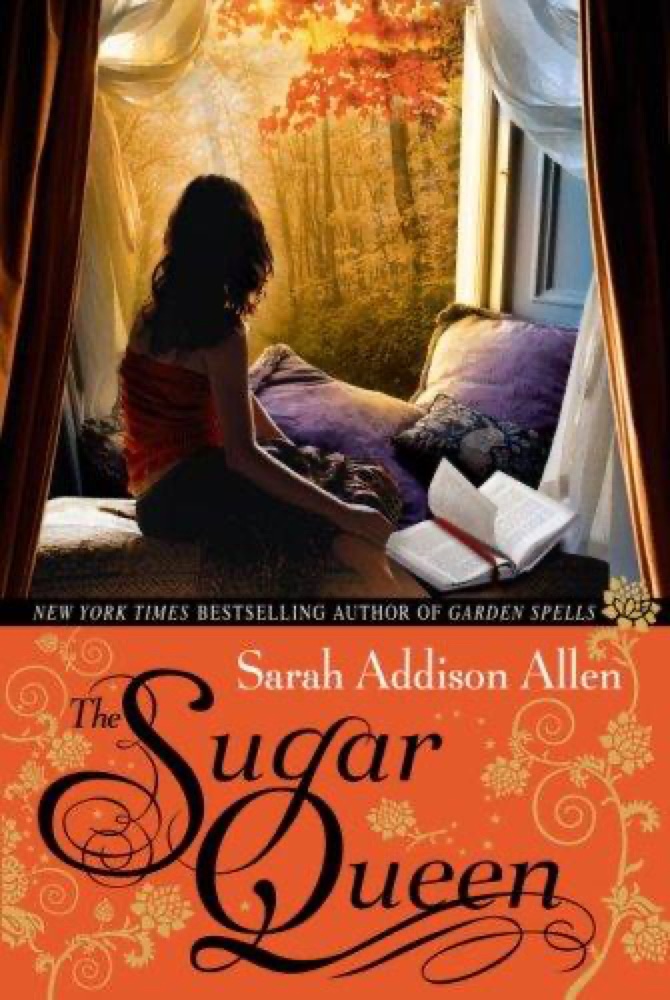 The Sugar Queen
 Forever in Blue: The Fourth Summer of the Sisterhood
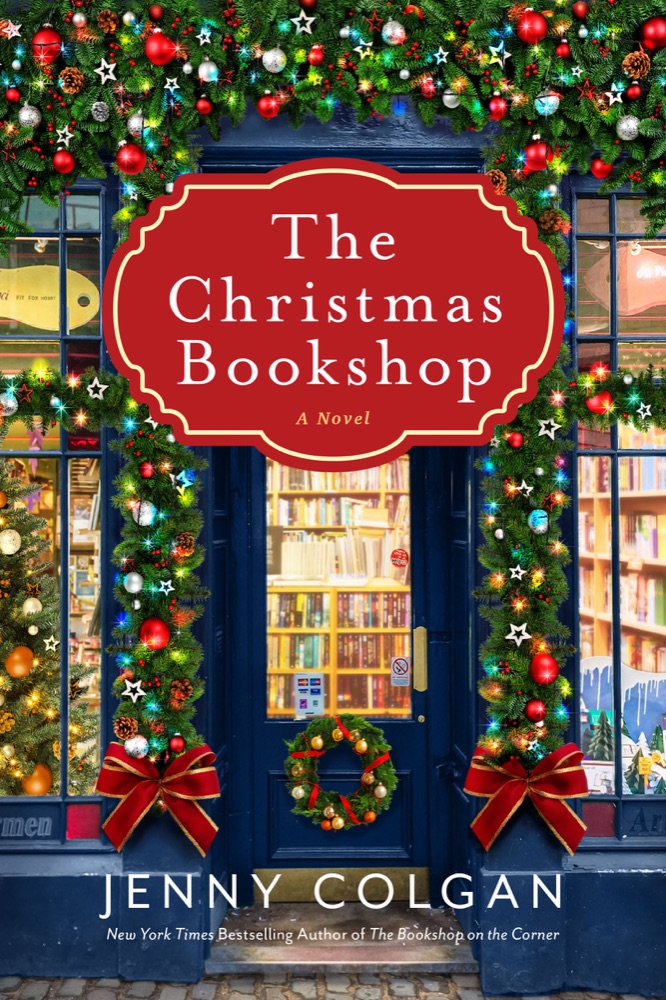 The Christmas Bookshop
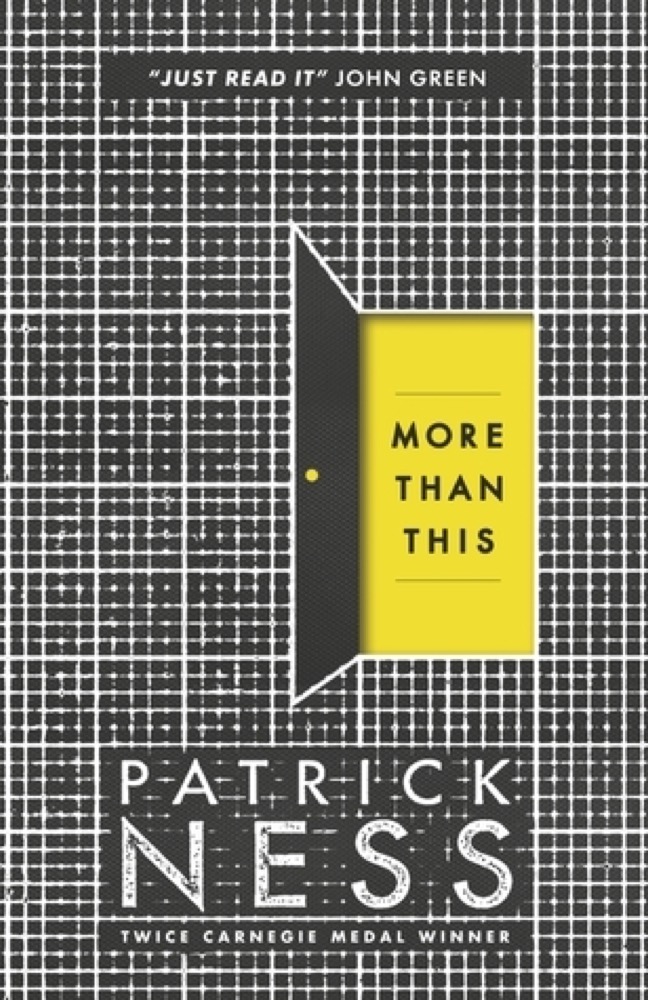 More Than This
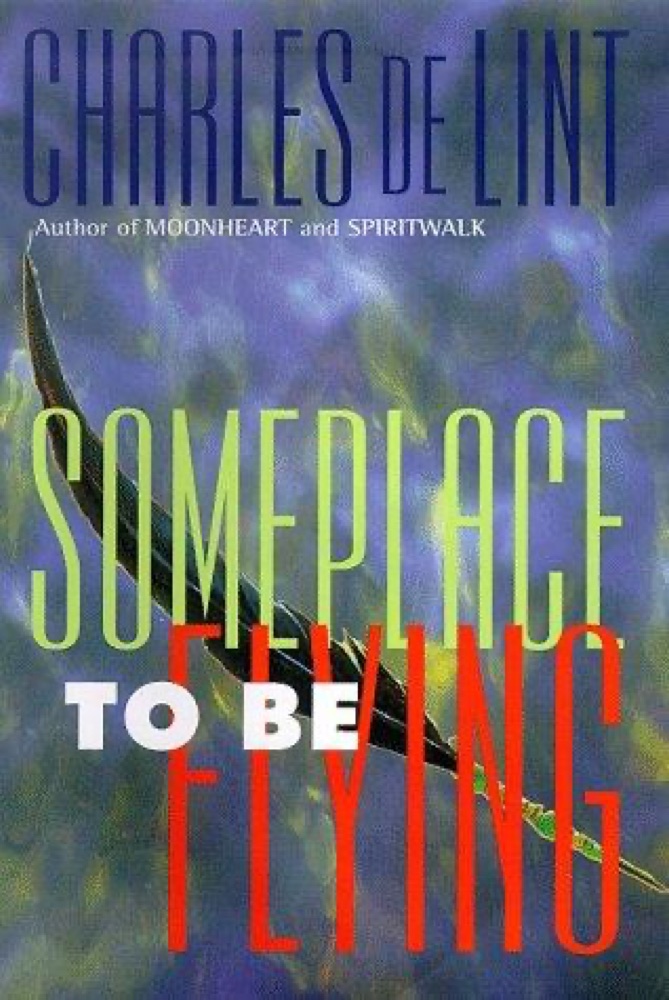 Someplace to Be Flying
 The Novel Habits of Happiness
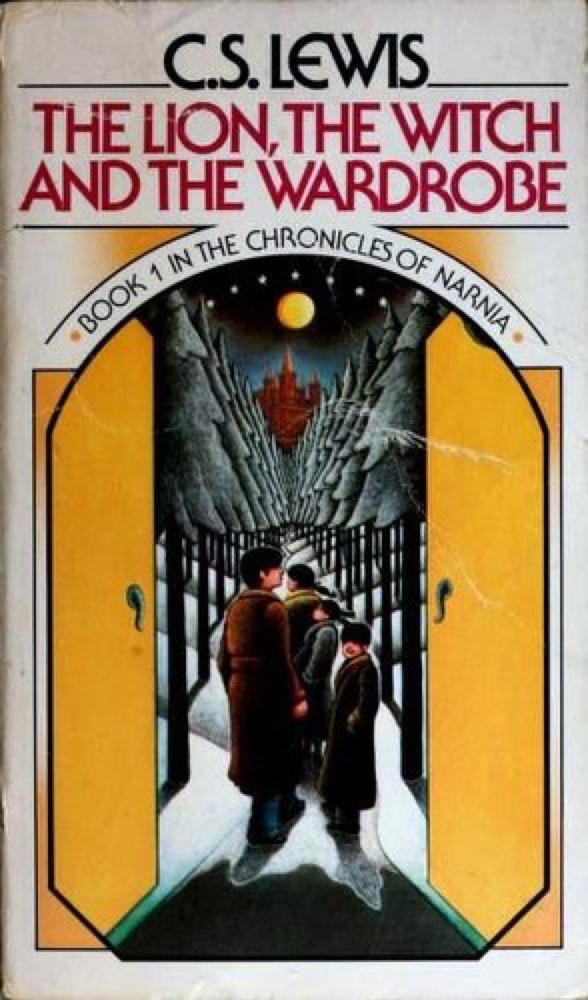 The Lion, the Witch and the Wardrobe
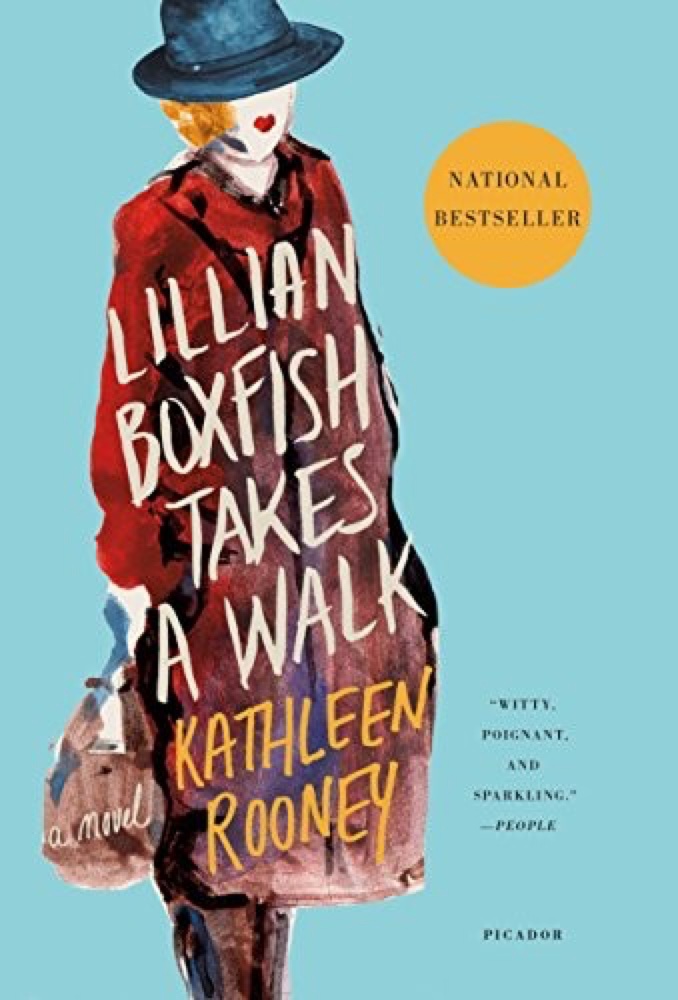 Lillian Boxfish Takes a Walk
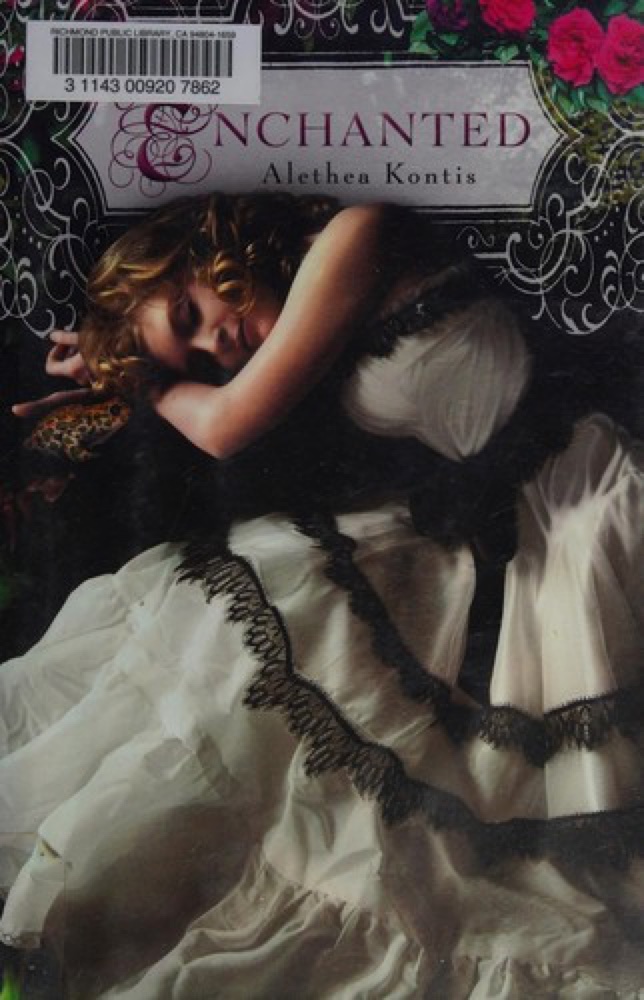 Enchanted
 The Girl Who Chased the Moon
 The Illustrated Man
 Through the Looking Glass
 A Hat Full of Sky
 The Little Sister
 Half Broke Horses
 The Blythes Are Quoted
 A Little Princess
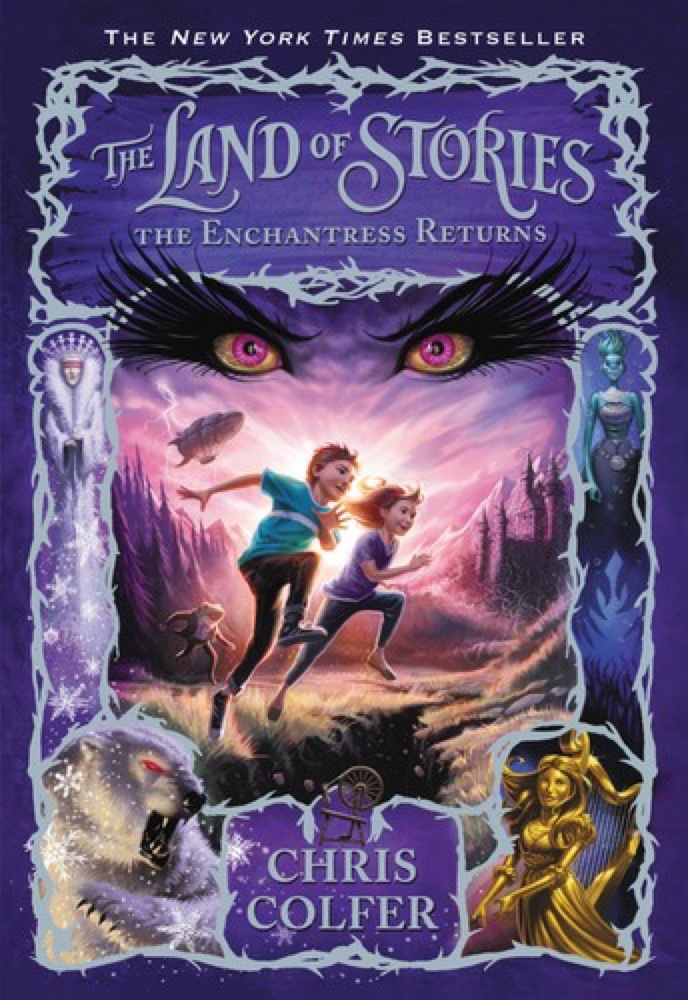 The Enchantress Returns
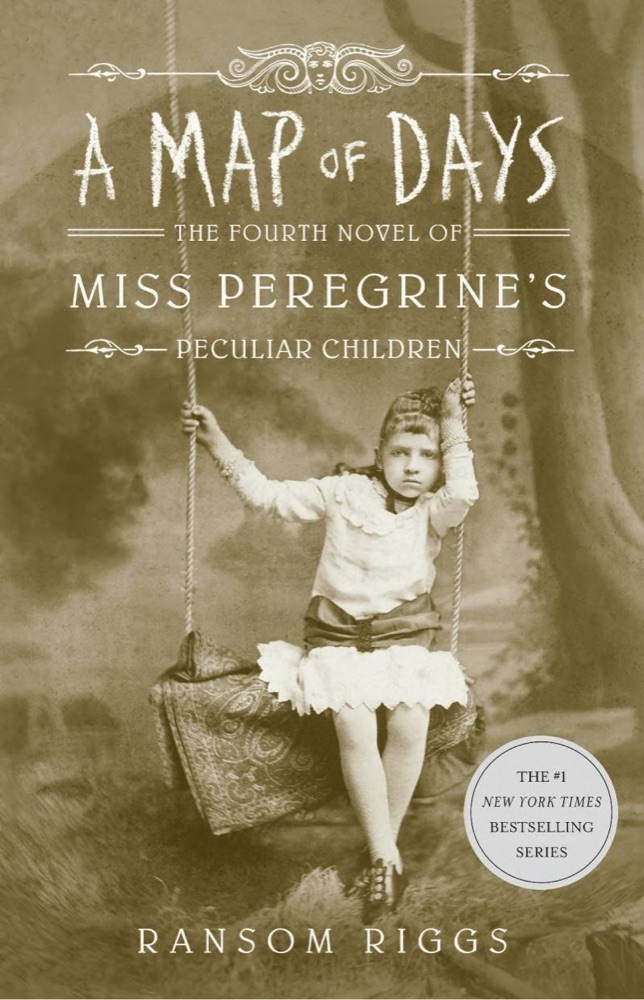 A Map of Days
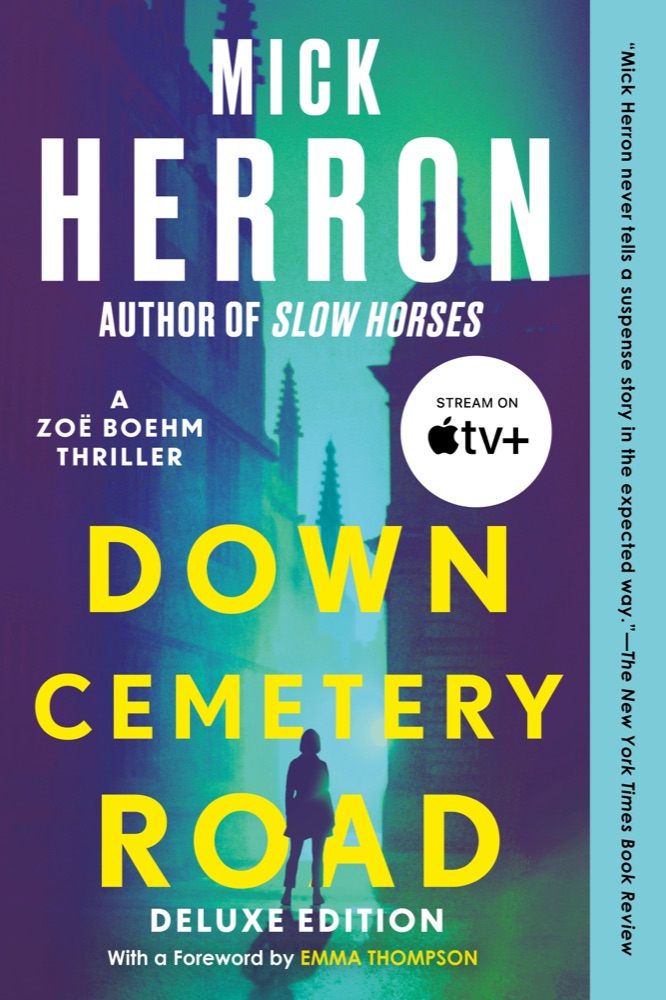 Down Cemetery Road
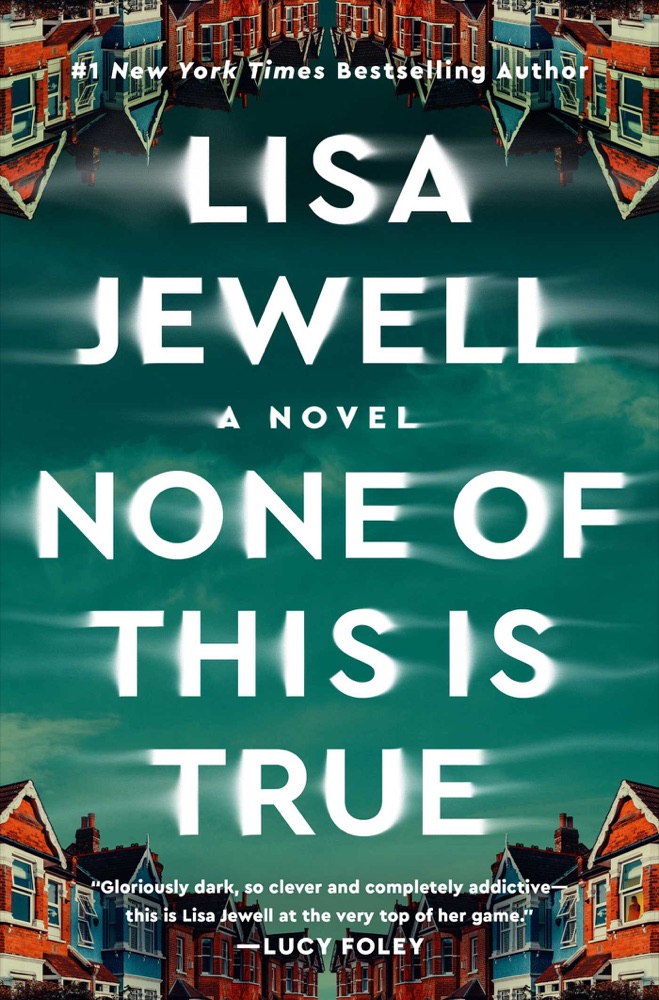 None of This Is True