
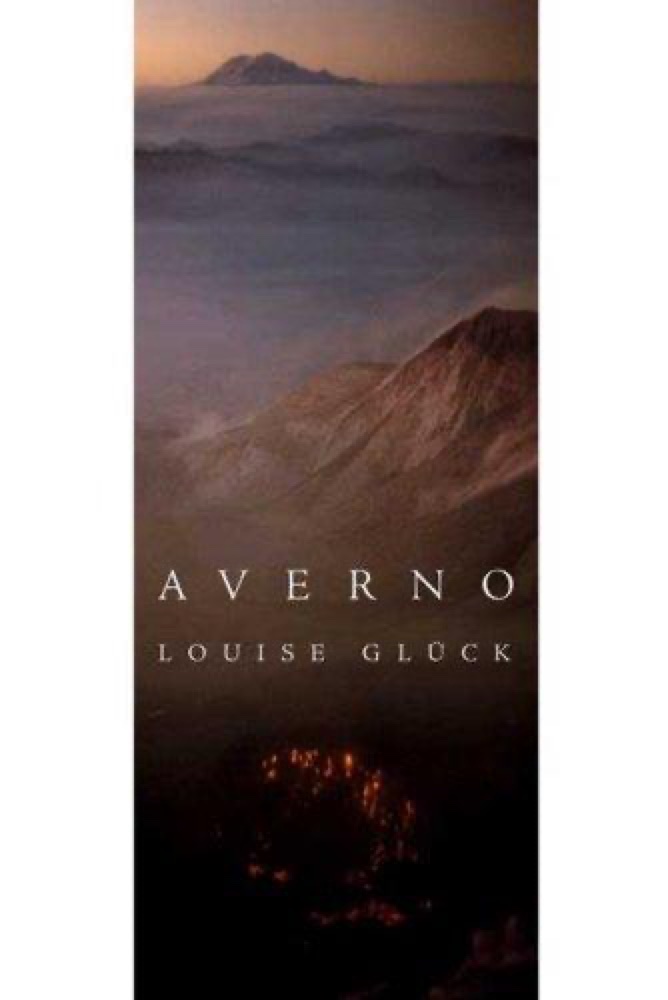
 Averno
Quotes from the Book
I don’t need your praise to survive. I was here first, before you were here, before you ever planted a garden. And I’ll be here when only the sun and moon are left, and the sea, and the wide field. I will constitute the field.
...whatever/ returns from oblivion/ returns to find a voice.
I watched the first shoots like wings tearing the soil, and it was my heart broken by the blight, the black spot so quickly multiplying in the rows. I doubt you have a heart, in our understanding of that term. You who do not discriminate between the dead and the living, who are, in consequence, immune to foreshadowing...
the powerful are always lied to since the weak are always driven to panic
End of Winter” Over the still world, a bird calls waking solitary among black boughs. You wanted to be born; I let you be born. When has my grief ever gotten in the way of your pleasure? Plunging ahead into the dark and light at the same time eager for sensation as though you were some new thing, wanting to express yourselves all brilliance, all vivacity never thinking this would cost you anything, never imagining the sound of my voice as anything but part of you— you won’t hear it in the other world, not clearly again, not in birdcall or human cry, not the clear sound, only persistent echoing in all sound that means good-bye, good-bye— the one continuous line that binds us to each other.
Remember that time you made the wish? I make a lot of wishes. The time I lied to you about the butterfly. I always wondered what you wished for. What do you think I wished for? I don't know. That I'd come back, that we'd somehow be together in the end. I wished for what I always wish for. I wished for another poem.
Watch on YouTube
About Louise Glück
We have collected 39 quotes from 3 books by Louise Glück on BookQuoters.
More about the author →More by Louise Glück
Averno
 Poems, 1962-2012
Book details
- Author
- Louise Glück
- Genre
- Fiction
- Goodreads rating
- 4.17 (16k ratings) →
Keep reading
 Poems New and Collected
Poems, 1962-2012
Poems New and Collected
Poems, 1962-2012
 Dearly
 Duino Elegies
 Plainwater: Essays and Poetry
 Future Home of the Living God
 House of Leaves
 Collected Poems
 New and Selected Poems, Vol. 2
 The Stone Gods
 The Hour of the Star
 Dream Work
 Night Sky with Exit Wounds
 Sonnets to Orpheus
 The Blind Assassin
 The Vampire Lestat
 All of Us: The Collected Poems
 Extracting the Stone of Madness: Poems 1962 - 1972
 Split Tooth
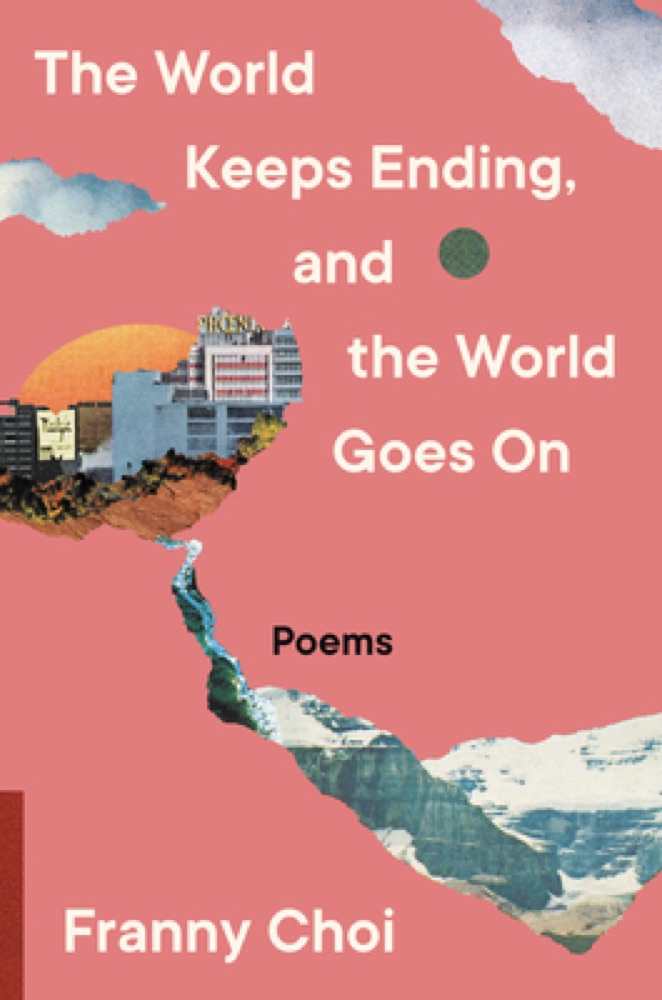 The World Keeps Ending, and the World Goes On
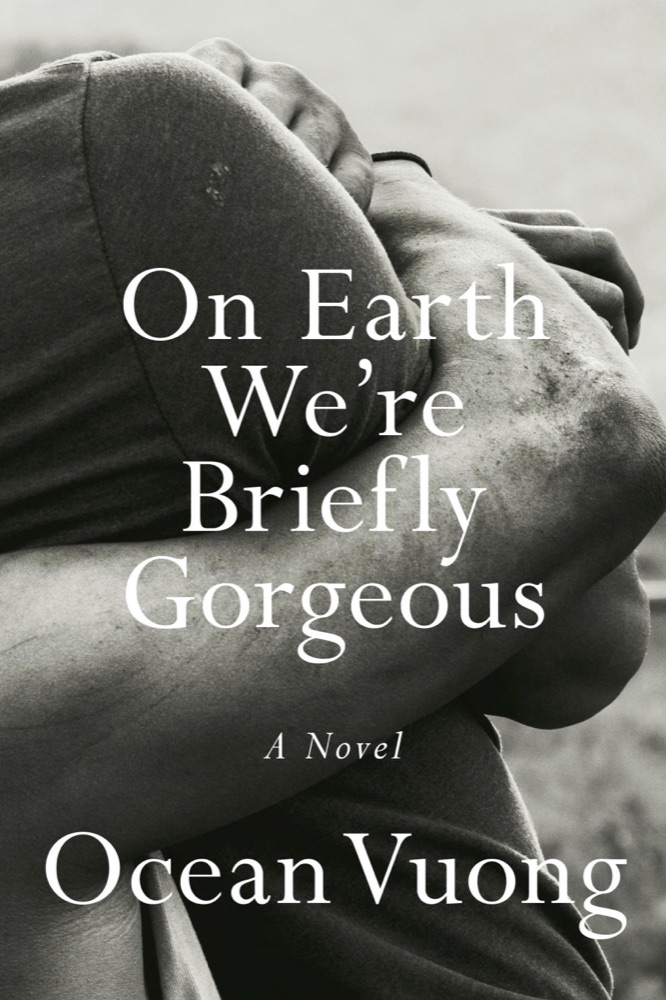 On Earth We're Briefly Gorgeous
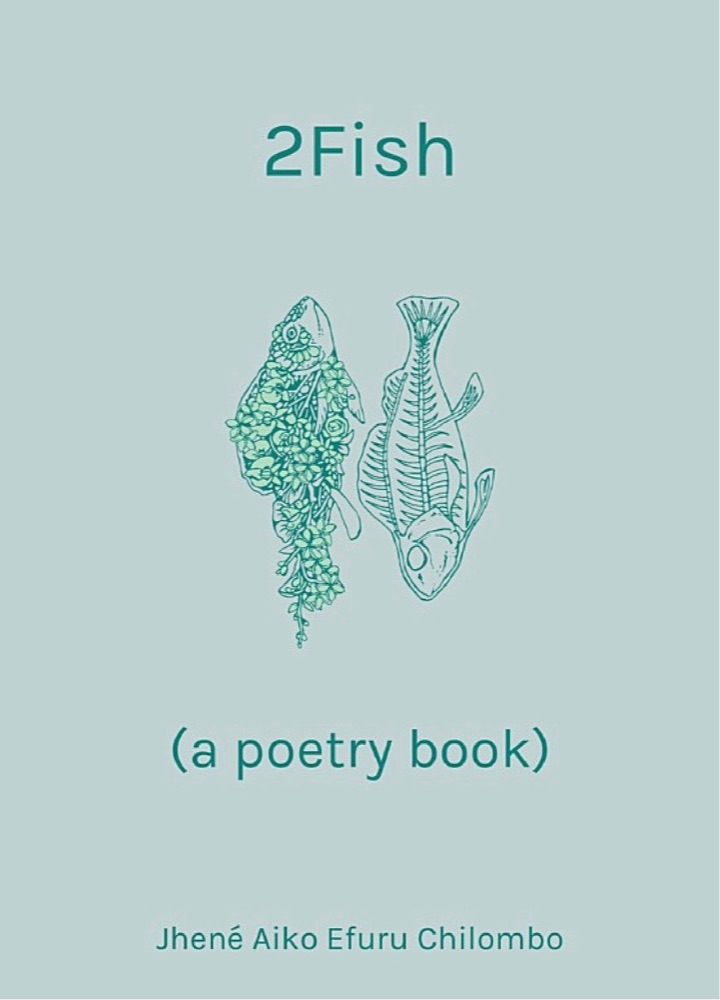 2Fish: A Poetry Book
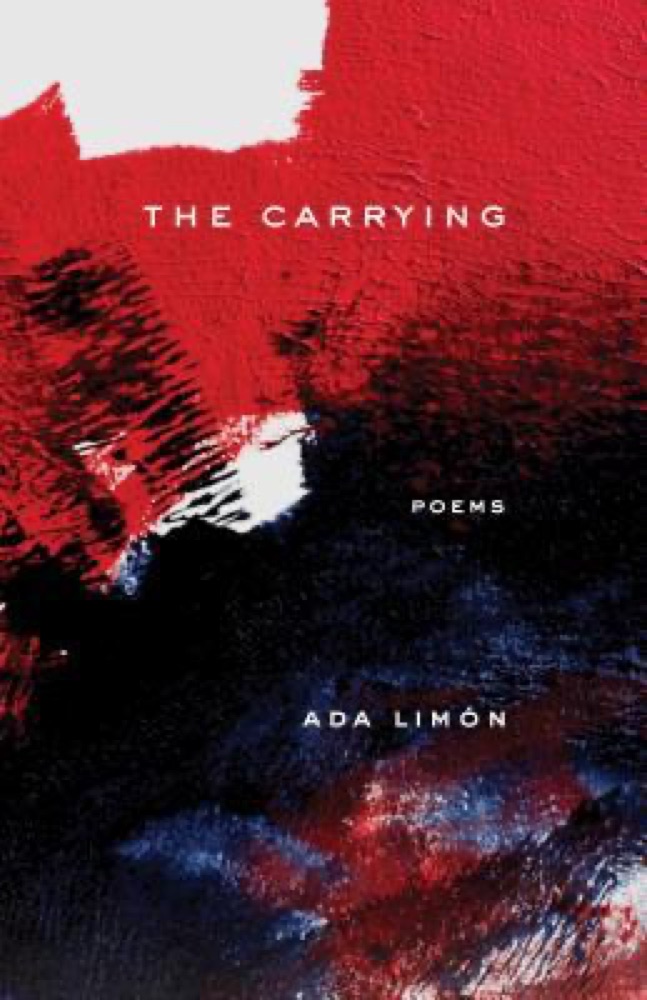 The Carrying
 Wide Sargasso Sea
 Good Bones and Simple Murders
 Tropic of Capricorn
 View with a Grain of Sand: Selected Poems
 Crazy Brave
 Liberation Day
 By Grand Central Station I Sat Down and Wept
 Narcissus and Goldmund
 Selected Poems
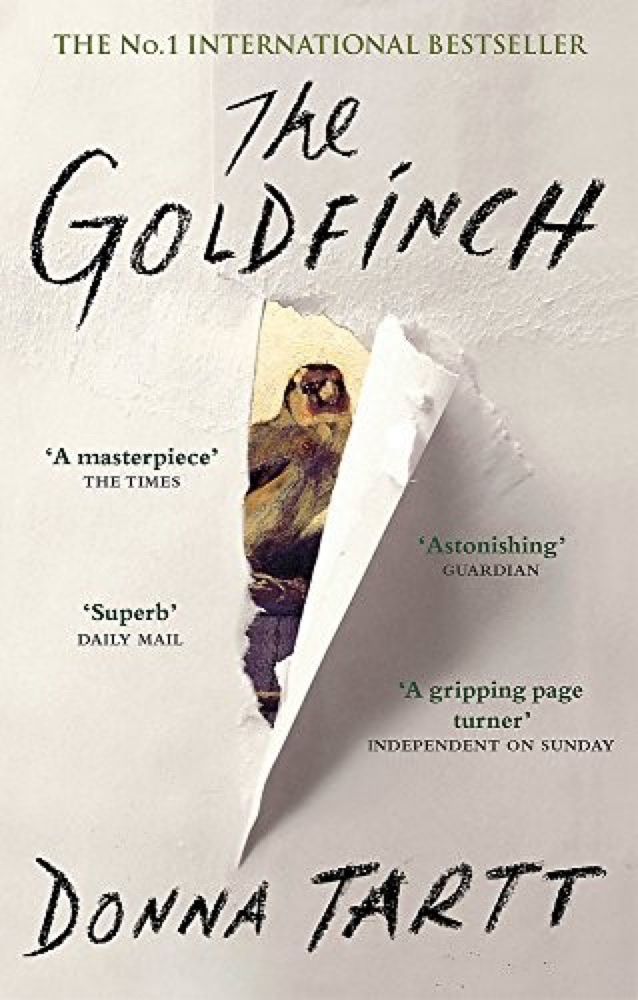 The Goldfinch
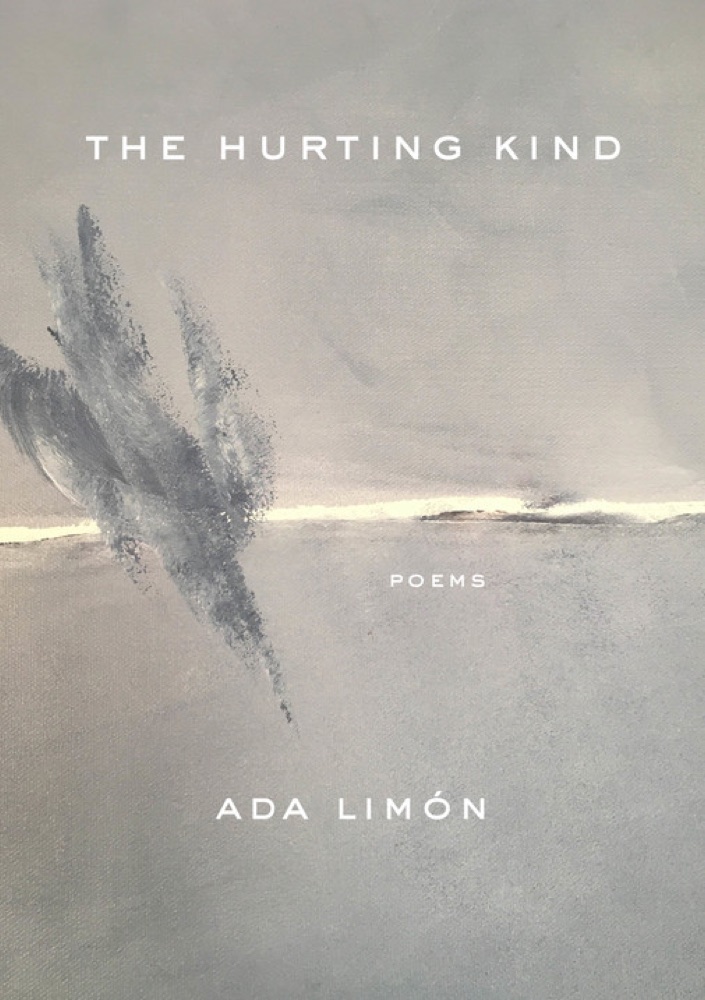 The Hurting Kind: Poems
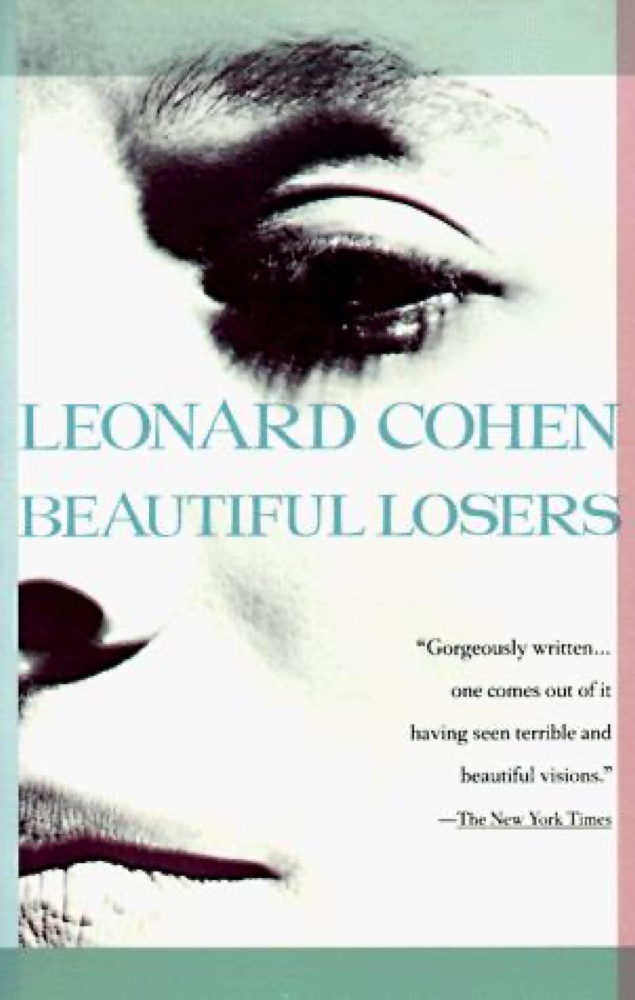 Beautiful Losers
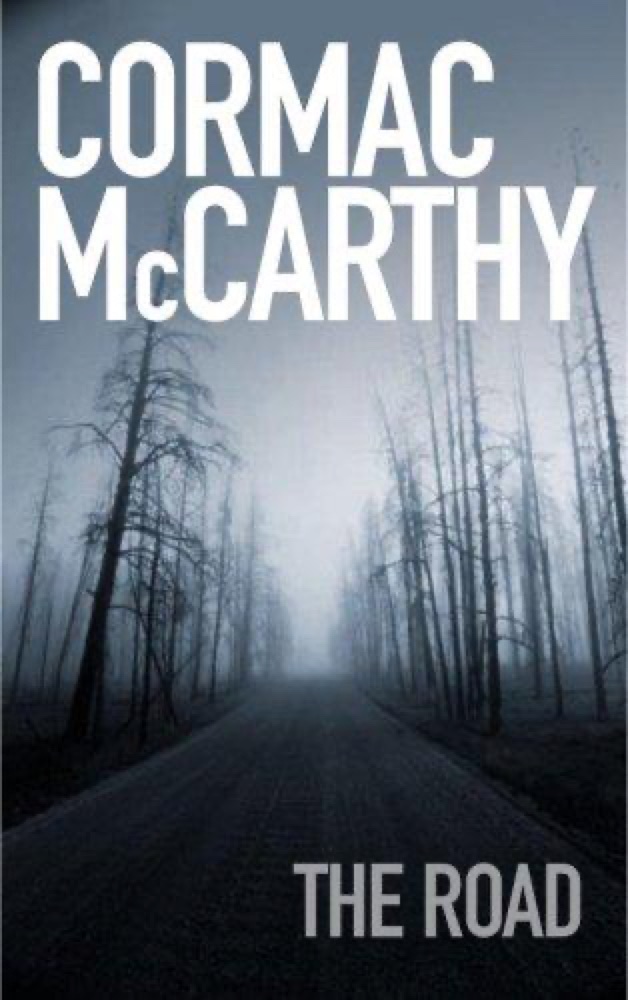 The Road
 The Complete Poems of Anna Akhmatova
 A Wild Sheep Chase
 Sexing the Cherry
 Pandora
 Lunora and the Monster King
 The Seagull
 The Complete Poems of Emily Dickinson
 Blue Horses
 Sword & Citadel
 The Waste Land
 Shadowsong
 Brute: Poems
 The Mime Order
 The Magus
 Long Day's Journey Into Night
 Millennium Approaches
 Leaves of Grass
 It Lasts Forever and Then It's Over
 M Train
 The Rose Society
 Taliesin
 The Wolf Gift
 Flora & Ulysses: The Illuminated Adventures
 The Claw of the Conciliator