

 The Prestige
Quotes from the Book
None of it is real, though, because reality lies in a different, more evanescent realm. These are only the names of some of the places in the archipelago of dreams. The true reality is the one you perceive around you, or that which you are fortunate enough to imagine for yourself.
The dream-state of the Archipelago, which is what we islanders most respond to, and least wish to see changed, seems likely to continue without interference for a long time to come.
...an incomplete listing of anything reveals that a selection has been made, and any act of selection is of course political.
The true reality is the one you perceive around you, or that which you are fortunate enough to imagine for yourself.
Less welcome to the people of Paneron is the STIFLER, a humid wind that brings the allergenic pollen of carp-weed bushes from nearby unpopulated islands.
To aspire to life forever would be to acquire living at the expense of life.
Watch on YouTube
About Christopher Priest
We have collected 13 quotes from 2 books by Christopher Priest on BookQuoters.
More about the author →More by Christopher Priest
The Prestige
Book details
- Author
- Christopher Priest
- Genre
- Fiction
- Goodreads rating
- 3.69 (2k ratings) →
Keep reading
 Following the Equator: A Journey Around the World
 The Man with the Compound Eyes
 Hawaii
 number9dream
 The Light Between Oceans
 The Ones We're Meant to Find
 Star of the Sea
 Cities of the Plain
 Veterans of the Psychic Wars
 Beautiful Ruins
 The House at Riverton
 The Map of the Sky
 Midnight's Children
 Out of Oz
 Complete Works of Oscar Wilde
 In the Shadow of Young Girls in Flower
 Middlemarch
 Big Sur and the Oranges of Hieronymus Bosch
 Angle of Repose
 Swann's Way
 On Such a Full Sea
 Canada
 O Pioneers!
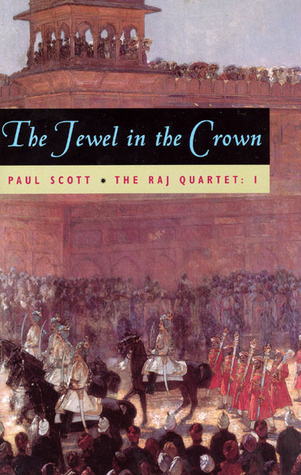 The Jewel in the Crown
 Ghosts of Harvard
 The Shadow of the Wind
 The Glass Hotel
 The Magic Mountain
 Kushiel's Chosen
 The Taking
 Walden
 Walden & Civil Disobedience
 Sea of Tranquility
 In Search of Lost Time
 Under Western Eyes
 Tom's Crossing
 Here on Earth
 Kafka on the Shore
 A Passage to India
 Weaveworld
 House Harkonnen
 Flights
 Shame
Shame
 The Angel Esmeralda
 The Sea, the Sea
 The Accursed
 Let the Great World Spin
 A Marriage at Sea: A True Story of Love, Obsession, and Shipwreck
 The Gone-Away World
 S.
S.
 Arctic Dreams
 Devil House
 The Bone Clocks
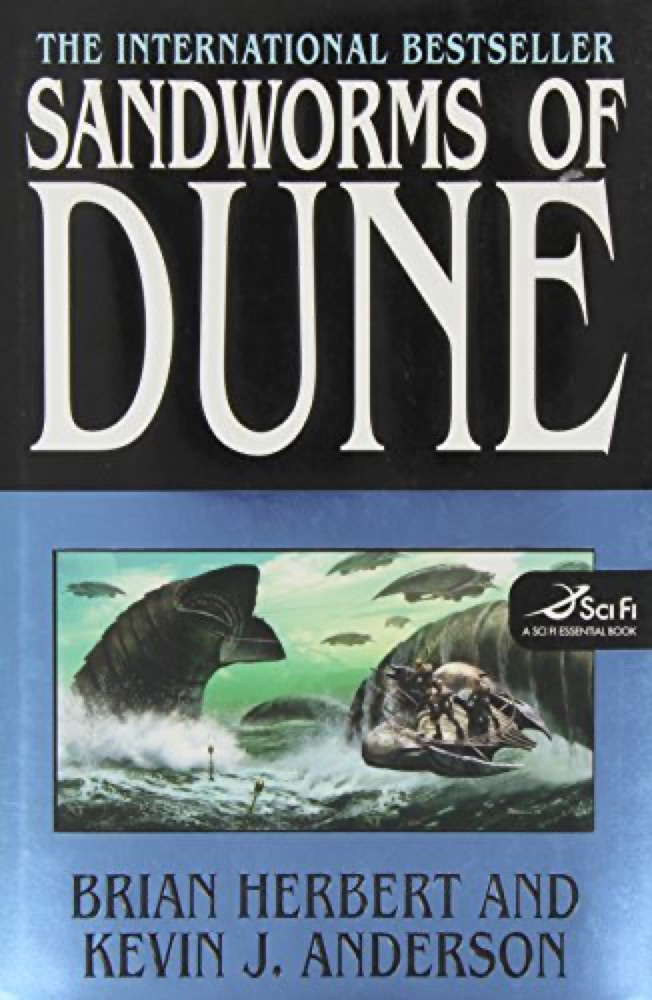 Sandworms of Dune
 The Lantern
 Life After Life
 The Lacuna
 The Miniaturist
 The Winter of Our Discontent
 A Room with a View